
Vandaag of morgen in huis

Kwaliteit gegarandeerd

Welkomstaanbiedingen ontgrendelen: GRATIS bezorging | Tot 80% korting | Gratis 30 dagen JoyPlus-proefperiode
Download de app
If you’re looking to buy carrot products, you’ll quickly come across a wide selection: from carrot baby food and carrot snacks to tortillas, skincare and cat food containing carrot. However, the orange vegetable isn’t always the main ingredient. Age recommendations, allergens, preparation methods and pack sizes also vary considerably from product to product.
With these practical checkpoints, you can compare products based on information you can actually verify, rather than eye-catching marketing claims.
A product name featuring “carrot” doesn’t automatically mean carrot is the primary ingredient. Always check the ingredients list and the percentage. For example, Olvarit Carrot Chicken Potato contains 33% carrot, whereas Olvarit Carrot Chicken Rice contains 50% carrot according to the product information.
With a snack or wrap, the percentage can be different again. Banderos Tortilla Wraps Carrot state 35% carrot, split between carrot purée and carrot pieces.
Words like these tell you very little about sugar, salt, allergens or nutritional value. For food products, look at the table per 100g. With pickled vegetables, the salt content is particularly important: the Wujiang Crisp Mustard Tuber mentioned contains 5.1g of salt per 100g according to the product information.
For cosmetics, the full ingredients list and usage warnings matter more than terms like “soothing” or “calming”. According to the product description, SKINFOOD uses carrot and beta-carotene extracts in its masks and toner pads. That’s a description from the brand, not a guaranteed result for every user.
Baby food isn’t a universal carrot snack. Pay attention to the age recommendation, texture and instructions after opening. A product suitable from 6 months isn’t automatically right for a younger baby. Even snacks from 7 months should be given under supervision, according to the product information.
The same applies to cats: carrot is just one part of the recipe. Check whether the product is labelled as complete pet food for adult cats and follow the recommended amount.
Start with the ingredients list. Look out for:
Examples from the range differ clearly. Olvarit Tomato Beef Potato Carrot contains, according to the product information, tomato, potato, 16% carrot and 8% beef. Olvarit Carrot Veal Potato lists milk and celery as allergens. With carrot baby food, it’s wise not to rely solely on the front of the packaging.
For carrot baby meals, check at least three things:
Ella’s Kitchen Carrot + Sweetcorn Sticks is suitable from 7 months according to the product information and is designed to help practise independent eating. The manufacturer also notes that cereals containing gluten, soya and milk may be present. That makes the label especially important if you have allergies or intolerances.
Check whether a product is ready to use straight away or needs to be prepared first. Huanglong Fern Root Noodles contain only fern root and drinking water according to the label, but need to be boiled for 5 to 8 minutes. They’re suitable for cold dishes, hotpot, soup and stir-fries.
Chinese pickled vegetables, such as mustard tuber or zhacai, are ready to eat straight away. After opening, some packs need to be kept in the fridge. For dry products, snacks and tortilla wraps, check the best-before date, seal and storage instructions.
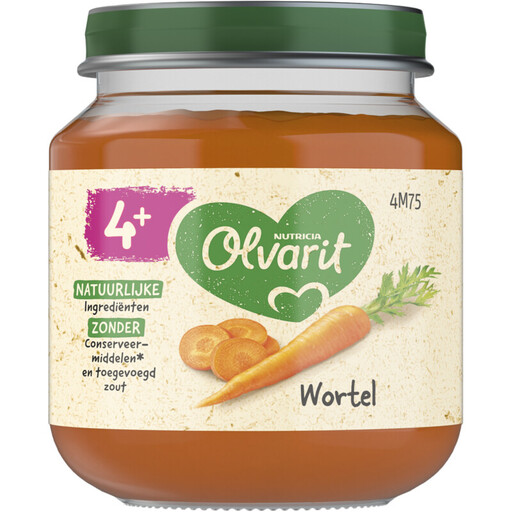
Why this fits the profile: This smooth carrot purée is a simple choice for first tastes. The pack contains 125g and states 90% carrot with water.
The carrot percentage and age recommendation are given in the product information, so you don’t have to rely on the product name alone.
90% carrot, 125g contents and clear storage instructions after opening.
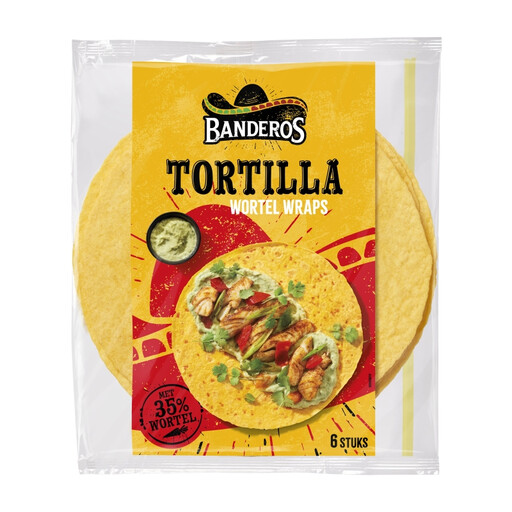
Why this fits the profile: Handy for lunches and family meals where you want to include a carrot element in a familiar format.
The product description mentions 35% real carrot and a pack of 6 wraps, so the key purchase details are concrete.
6 wraps, 35% carrot and suitable for wraps, roll-ups and soft tacos.
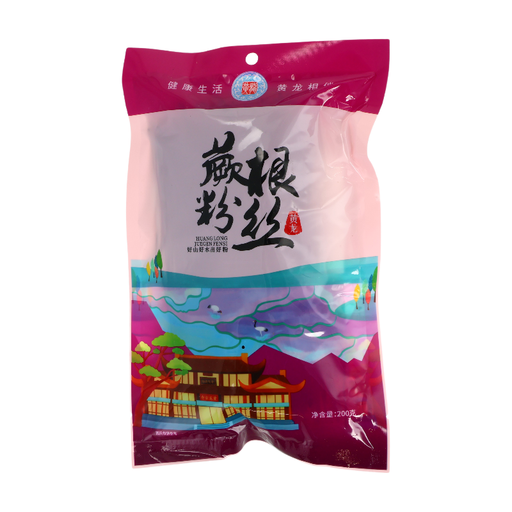
Why this fits the profile: A practical store-cupboard option for fans of Asian dishes, cold noodles, soup and hotpot.
The preparation is clear: boil for 5 to 8 minutes. So this product isn’t ready to eat straight away, unlike many pickled vegetables.
200g contents, two ingredients and multiple preparation methods.
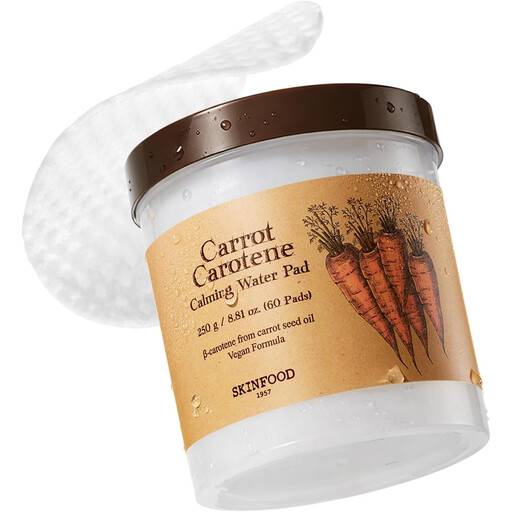
Why this fits the profile: The pot contains 60 toner pads and suits anyone looking for a consistent skincare step after cleansing.
The ingredients list and warnings are available. Stop use if irritation occurs and avoid contact with the eyes, as stated on the product page.
60 pads, 250g contents and a no-rinse usage instruction.
We’ve put together a full, up-to-date list of products that fully meet these strict selection criteria and comply with current European safety regulations.
First, check the age recommendation on the packaging. The range includes varieties from 6 months, 8 months, 15 months and 18 months. Also check the texture, allergens and storage time after opening. The packaging remains the definitive guide, as recipes and instructions can change.
That depends on the product. Ella’s Kitchen Carrot + Sweetcorn Sticks states suitability from 7 months and recommends supervision during eating. Also check for possible allergens, such as cereals containing gluten, soya and milk. Don’t choose a snack based solely on the presence of carrot.
Always follow the label. The baby food products mentioned should be stored sealed in the fridge and used within 48 hours. Chinese pickled vegetables generally need to be refrigerated after opening. Store dry fern root noodles sealed in a cool, dry place and prepare them fully before eating.
