
Same-day & Next-day Delivery

Quality Guaranteed

Unlock Your Welcome Offers: FREE Delivery | Up to 80% OFF | Free 30-day JoyPlus trial
Download the APP
Buying burgers seems simple, until you’re standing in front of the freezer or browsing an online range. Are you looking for a quick meal, barbecue burgers, an international snack or ingredients to build your own burger? The flavour, cooking instructions, packaging and nutritional information can vary considerably from one product to another.
Attractive packaging doesn’t always tell the whole story. Focus on the product details to avoid these common pitfalls.
A term such as Angus burger tells you about the breed of cattle, but not necessarily the ingredients or the amount of meat. Check the percentage of meat in the ingredients list. According to the product information, the Angus Burger 250g contains 99% Angus beef, while other burgers may contain mechanically separated meat, pork, breadcrumbs or flavourings.
There can also be a big difference between chicken burgers. According to the label, g’woon Burgers contain 62% mechanically separated chicken and also include ingredients such as pork belly, breadcrumbs and soya. That doesn’t have to be a problem, but it’s useful to know if you’re specifically looking for chicken burgers.
Frozen burgers don’t all have the same cooking instructions. Some products need to be fully defrosted before cooking. Others are pre-cooked but still need to be heated thoroughly. A Roujiamo, such as the Sijia Kitchen Chinese Pork Hamburger, isn’t ready to eat cold, for example.
Always check:
For food safety, follow the instructions on the packaging. The cooking information on the product page is a useful extra, not a substitute for the label.
Burgers and burger buns may contain wheat, gluten, milk, egg, soya, sesame or mustard. The same goes for sauces. According to the ingredients list, Ji Xiang Ju Chinese Burger Sauce contains wheat, soya and mustard, among other ingredients. It’s ready to use, but that doesn’t mean it’s suitable for every diet.
Check the current packaging with every order, especially if you’re cooking for children, guests with an allergy or someone following a particular diet.
First, choose the type of product that suits your meal:
A pack of 12 small burgers is handy for a family, party or freezer stock-up. A 250-gram burger is better suited to a hearty meal or barbecue. So don’t just compare the price per pack. Also check:
Don’t forget the rest of the meal. Burger buns, burger sauce, toppings and a suitable pan all affect how much you’ll spend in total.
A barbecue burger needs to withstand direct heat without falling apart. For a quick meal, pre-cooked products or ready-to-eat snacks are more convenient. Also check whether the cold chain needs to be maintained. Frozen products often come with information about chilled storage, packaging and transport.
Taking burgers to a party or serving them there? Sugarcane pulp burger boxes could come in handy. Use them only as directed in the product information, and check they’re suitable for the food and temperature involved.
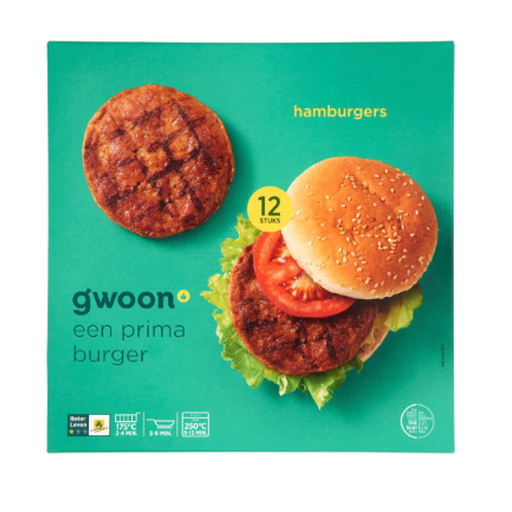
Why it suits this shopper: The pack of 12 is handy for a family, stocking up or a relaxed meal with a few people. The burgers can be grilled or fried.
The ingredients list clearly states that the burgers contain 62% mechanically separated chicken and 12% pork belly. So you know what you’re buying instead of relying on the name ‘chicken burger’ alone.
12 pieces, suitable for grilling and frying, delivered frozen and supplied with storage and defrosting instructions.
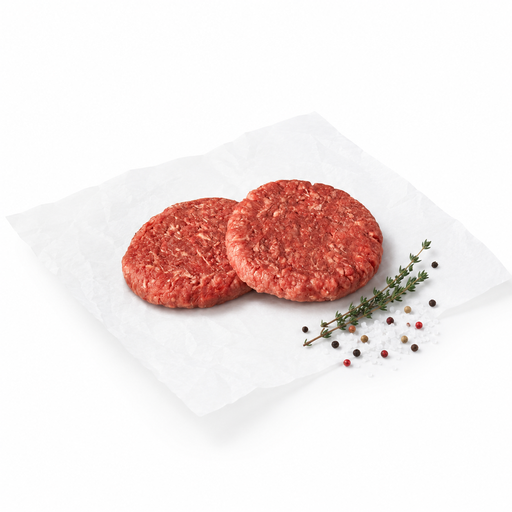
Why it suits this shopper: This burger is for anyone looking for a substantial piece of beef for a barbecue, burger night or hearty meal.
The beef content is clearly stated as 99% Angus beef, so you don’t have to rely on the breed name or marketing copy alone.
250 grams per pack, 99% Angus beef, no allergens from the 14 main groups listed and suitable for the frying pan or barbecue.
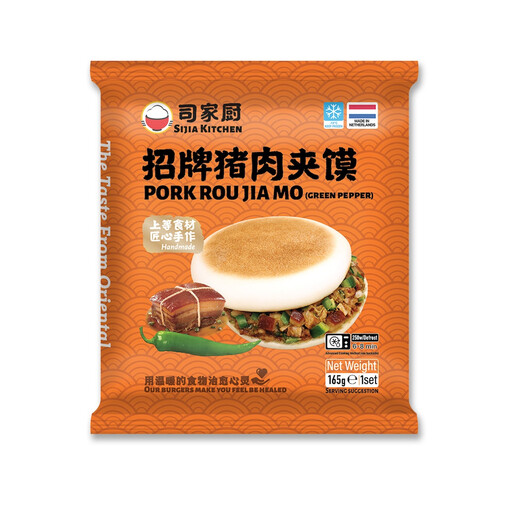
Why it suits this shopper: This Chinese hamburger, also known as Roujiamo, is ideal if you want to make a quick international meal from the freezer.
The product information states that it isn’t ready to eat and must be heated thoroughly. It also gives several cooking methods.
40% pork, pre-cooked according to the product description, suitable for freezer storage and can be prepared in the microwave, air fryer, oven or frying pan.
We’ve put together a complete, up-to-date list of products that meet these strict selection criteria and current European safety regulations.
A great burger meal is about more than just the main product. Burger buns add texture. Lekhaven Brioche Hamburger Buns are delivered frozen and, according to the product information, need around four hours to defrost. Bear in mind that the ingredients list includes milk, egg, wheat and sesame.
For extra flavour, try a sauce. Ji Xiang Ju Chinese Burger Sauce is a ready-to-use sauce containing ingredients such as preserved mustard tuber, shiitake mushrooms, bean paste and chilli. The product description says it’s suitable as a spread or as a flavouring for stir-fries. Do check the high salt content and listed allergens.
Looking for a treat rather than a meal? Burger snacks include products such as Look-O-Look Candy Burger, Pringles with cheeseburger flavour and sweet hawthorn or jujube products. These are sweets or burger-style snacks, not meat burgers. So check the sugar content, ingredients and portion size.
Check the storage temperature, meat percentage, number of pieces and cooking instructions. Also check whether the product is raw, pre-cooked or ready to eat. Put it in the freezer as soon as possible after purchase, and don’t refreeze a product once it’s been defrosted if the packaging advises against it.
Shelf life varies by product. For frozen burgers, follow the date on the packaging and the stated storage temperature. Once defrosted, they may have a much shorter shelf life. Store opened sauces according to the label and eat snacks soon after opening.
Allow one suitable burger, a burger bun, sauce and toppings per person. For a barbecue, a grill or frying pan, kitchen tongs and a thermometer are useful. With a Chinese hamburger or Roujiamo, you often don’t need an extra bun, as the filled dough is already part of the product.
