
Same-day & Next-day Delivery

Quality Guaranteed

Unlock Your Welcome Offers: FREE Delivery | Up to 80% OFF | Free 30-day JoyPlus trial
Download the APP
Buying burgers might seem straightforward, but products can vary considerably in ingredients, portion size, preparation and packaging. If you choose based only on a familiar brand name or an appealing product photo, you could end up with burgers that aren’t right for your family, barbecue or hob.
When comparing products, look out for these three common pitfalls:
Always check the ingredients list and allergen information. Chicken burgers may contain mechanically separated meat. For example, according to the product information, g'woon Burgers contain 62% mechanically separated chicken meat, along with ingredients including pork belly and breadcrumbs. This is different from a burger made entirely from chicken breast.
Also check:
An Angus burger may have a simple ingredients list. For example, The Meatlovers Angus burger lists 99% Angus beef, sea salt and spices. This makes the ingredients clear, but it doesn’t automatically mean the flavour will suit everyone.
Frozen burgers are handy for a quick meal. Store them according to the label, usually at -18 °C or below, and put them in the freezer as soon as possible after delivery. It’s best to defrost meat in the fridge, and not to refreeze it once defrosted.
If you’re buying burgers for a BBQ, these points are particularly relevant:
The Angus burgers in the range have cooking instructions recommending around 5 to 7 minutes per side when grilled or fried, with a recommended core temperature of at least 70 °C. Always follow the instructions on the packaging if they differ.
A burger pan needs to suit your hob and the number of burgers you want to cook at once. A non-stick burger pan can be useful for evenly sized portions and less sticking, but the coating needs careful handling.
Before buying, check:
According to their product descriptions, the PURECOOK pans in this selection are suitable for induction, gas and ceramic hobs. The four-compartment version has four separate sections and is designed for foods such as burgers, eggs and small pancakes. The larger 26 cm pan is better suited to cooking one or more larger burgers.
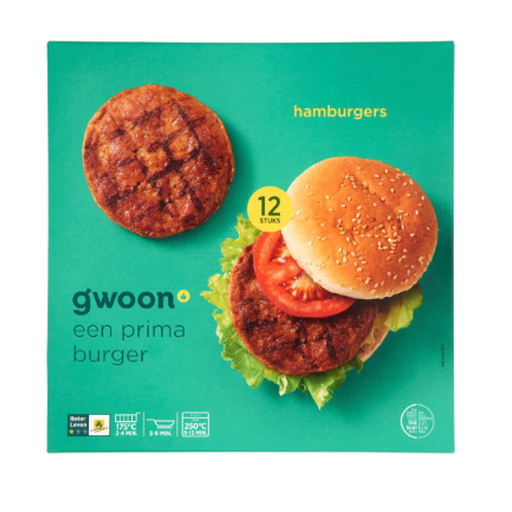
Why it suits this profile: The pack of 12 is handy for families, stocking up the freezer or an informal meal with several people. According to the product information, these burgers are suitable for grilling and frying.
The product information clearly states that it contains mechanically separated chicken meat and lists wheat and soya as allergens. That means you don’t have to rely on the product name alone.
12 burgers per pack; suitable for the grill and pan; frozen product with clear storage advice.
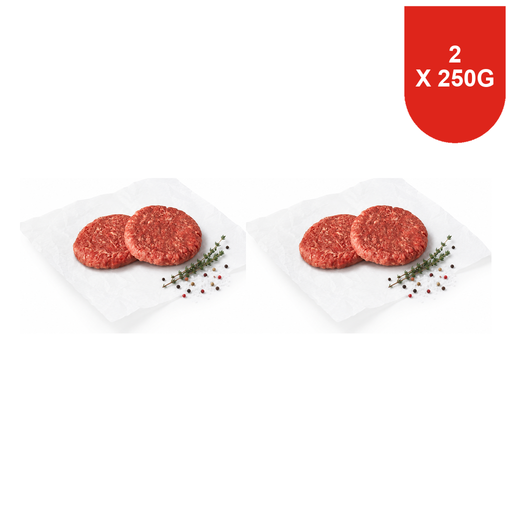
Why it suits this profile: This burger is a good choice if you’re looking for a beef burger with a short ingredients list for a burger night or BBQ.
The label lists 99% Angus beef, sea salt and spices. This lets you check the meat content rather than relying on the name alone.
250g per pack; none of the 14 main allergens listed; cooking instructions for the pan and BBQ.
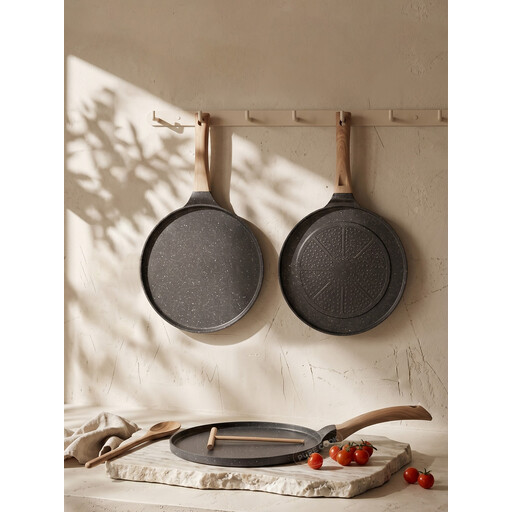
Why it suits this profile: This pan is a good choice if you regularly cook burgers, breakfast or other dishes and need a larger cooking surface.
The specifications give the 26 cm diameter, compatible hobs and state that the pan must be washed by hand. This helps you choose a pan that fits your kitchen routine.
26 cm diameter; suitable for induction, gas and ceramic hobs; aluminium body and non-stick coating according to the product description.
We’ve put together a full, up-to-date list of products that meet these strict selection criteria and current European safety regulations.
If you’re looking for Mora burgers, take a look at Mora Classics Hamburgers - 12 pcs. According to the product information, these burgers contain mechanically separated chicken meat, pork belly, wheat and gluten. So check the allergen information before ordering.
For a vegetarian option, Wu La Ma Carbon Grilled Vegetable Beef Patty is an alternative made with ingredients including soya. The packaging also lists sesame and a relatively high salt content per 100g. So be sure to read the label carefully.
The term hawthorn burger snack doesn’t refer to a meat burger. Products such as O'Say Jujube and Hawthorn Hamburger are sweet, soft snacks made with hawthorn and date paste. They’re ready to eat and intended as a snack, not as a hamburger filling.
For takeaway, burger boxes or biodegradable burger trays made from bagasse are practical options. If you’re using them frequently, check the dimensions, closure and information about leak resistance. Don’t make claims about compostability unless they’re clearly substantiated by the manufacturer.
Yes, many frozen burgers are suitable for the grill or BBQ, but check the cooking instructions. Defrost meat according to the label, keep raw and cooked products separate, and cook the burger thoroughly.
Choose a pan that’s explicitly listed as induction-compatible. Also check the diameter of the base, as a pan that’s too small or doesn’t sit properly on the hob may heat less evenly. Don’t use metal utensils with a non-stick pan, and wash it by hand if the product information says to.
Keep frozen burgers for as long as indicated on the packaging, at the stated temperature. Once defrosted, they should be kept chilled and used within the specified timeframe. According to the storage advice, defrosted products must not be refrozen.
