
Vandaag of morgen in huis

Kwaliteit gegarandeerd

Welkomstaanbiedingen ontgrendelen: GRATIS bezorging | Tot 80% korting | Gratis 30 dagen JoyPlus-proefperiode
Download de app
Buying breakfast cereals online might seem straightforward, but packaging can make comparisons tricky. A bold claim like “high in protein”, “no added sugar” or “wholegrain” doesn’t tell the full story. The nutritional values are usually given per 100g, yet a serving in practice can be smaller or larger.
When buying porridge oats, muesli and granola, there are also a few common pitfalls to watch out for:
Ingredients are listed in descending order by quantity. If oats, wholegrain wheat or another grain appears at the top, that makes up the largest part of the product. With granola, oil, syrup, sugar, nuts and dried fruit can also make up a significant proportion.
Then compare per 100g:
A claim on the front is no substitute for the full nutrition table. According to a brand’s product description, a product might be “high in fibre”, for example; always check that claim on the label and refer to the actual packaging.
Porridge oats are ideal for a warm bowl with milk or water, but can also be eaten cold with yoghurt or quark. Fine flakes are usually quick to prepare. Plain wholegrain breakfast cereals like Brinta are also suitable for a hot preparation.
Muesli typically consists of flakes, seeds, nuts and dried fruit. The composition varies greatly from brand to brand. So don’t just look at the word “muesli”, but pay attention to the percentages and nutritional values.
Granola is often baked until crunchy. As a result, oil, syrup or sugar can contribute to a higher energy content. There are also protein-rich granolas with soya or wheat protein. With such products, check the protein value, allergens and serving size.
Bulgur wheat, quinoa and multi-grain rice are versatile grain products for lunch, dinner or meal prepping. They are not all intended as a quick breakfast. Check the cooking time, the amount of water needed and the preparation method.
A 450g pack can yield roughly 9 to 15 servings, depending on the portion size. Portion sachets are handy for on the go, but can be more expensive per gram and use more packaging material. A 1kg bag is practical for families, heavy users or anyone who regularly cooks bulgur and rice.
Store dry products in a cool, dry place and keep them tightly sealed. With ready-to-eat bulgur, follow the instructions on the pack after opening. Also check the best-before date and don’t buy any packaging that is damaged.
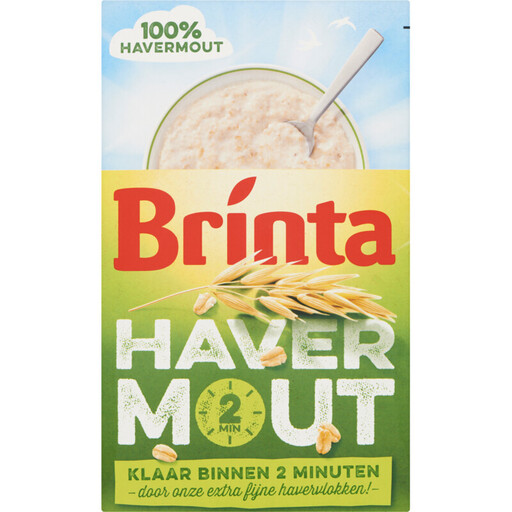
Why this fits the profile: A straightforward choice for anyone who wants to prepare a warm bowl of breakfast without combining multiple ingredients.
The ingredients list states 100% wholegrain wheat. This makes the composition clear, so you don’t have to interpret a long list of sweeteners or toppings.
10g fibre and 14g protein per 100g according to the product information; suitable with water, milk and fruit.
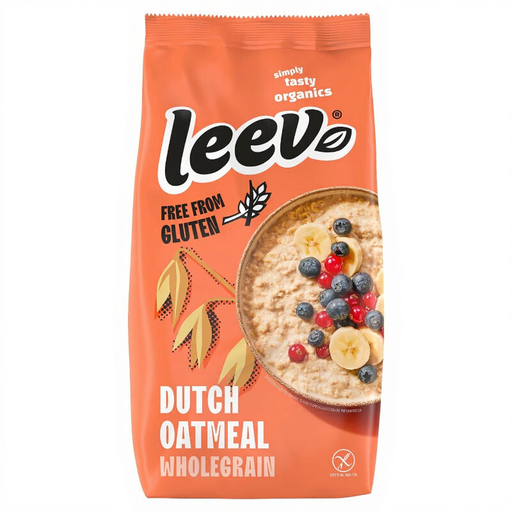
Why this fits the profile: An organic porridge oat for anyone who values a short ingredients list and versatile preparation.
The product information lists one main ingredient. Do check the actual packaging though: the information provided mentions both gluten-free and “contains gluten”.
10g fibre and 14g protein per 100g; can be eaten cold with milk, yoghurt or quark.
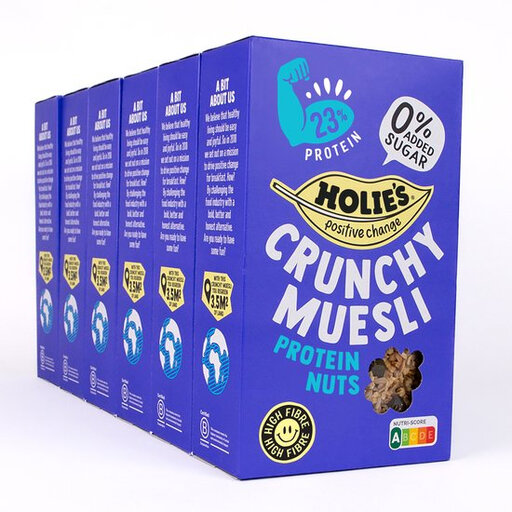
Why this fits the profile: Aimed at consumers who are deliberately looking for high-protein granola or muesli for an active lifestyle.
The nutritional information makes the protein and fibre content verifiable, so you don’t have to rely solely on the front-of-pack claim.
The product information states 22g protein and 21g fibre per 100g. Contains, among others, oats, wheat, almond and hazelnut.
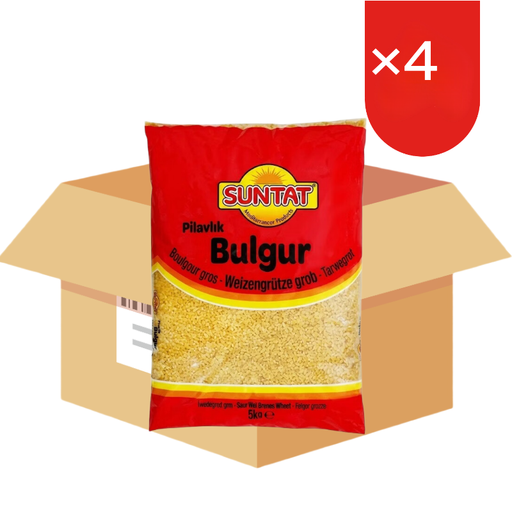
Why this fits the profile: A bulk pack for anyone who regularly uses bulgur in salads, side dishes and meals.
The product listing clearly states the net weight, origin and preparation information. Please note: the product contains gluten.
4.1g fibre and 12.5g protein per 100g according to the product information; vacuum-packed and suitable for stocking up.
We have compiled a full, up-to-date list of products that fully meet these strict selection criteria and comply with current European safety regulations.
Fine porridge oats, Brinta or portion sachets are quick to prepare with water or milk. With flavoured varieties, do check the ingredients list and sugar content. For a cold preparation, muesli and plain porridge oats work well with yoghurt, quark or milk.
Dry porridge oats, muesli, granola and bulgur generally remain edible until the date on the pack, provided you store them in a cool, dry place and keep them tightly sealed. The texture of granola can deteriorate after opening due to moisture. With ready-to-eat products, always check the specific storage instructions.
Not necessarily. Compare the price per 100g and consider how much you actually use. A bulk pack of bulgur can be suitable for a family, whereas smaller bags of porridge oats or muesli are more practical if you have limited storage space. Also pay attention to preparation time, serving size and the risk that a product may lose its flavour or crunchiness.
