
Vandaag of morgen in huis

Kwaliteit gegarandeerd

Welkomstaanbiedingen ontgrendelen: GRATIS bezorging | Tot 80% korting | Gratis 30 dagen JoyPlus-proefperiode
Download de app
A nutritious breakfast doesn’t have to be complicated. Even so, it can be hard to tell which healthy breakfast products really suit your diet, whether you’re shopping in store or online. Packaging often highlights terms such as “high protein”, “no added sugar” or “wholegrain”, but nutritional values can vary considerably from one product to another.
Pay particular attention to the ingredients list, nutritional information, portion size and preparation time. Below, you’ll find the key things to look out for, along with product suggestions for different needs.
Granola with no added sugar can still be relatively high in calories due to oil, nuts, seeds or fibre-rich syrups. So don’t just look at the front of the pack. Check:
For example, a product that’s low in sugar may still contain 400 to 460 kcal per 100 g.
Protein muesli, protein bars and protein wafers can be useful on a busy day or after exercise. Be sure to check the source of the protein, which may be milk, soya, peas, wheat or other ingredients. Also look out for sweeteners and polyols. A high intake can have a laxative effect for some people.
Read the ingredients list and check the percentages. In a multigrain mix, one grain may be the main ingredient, while the others are present only in small amounts. Products such as porridge oats, quinoa and millet are easier to assess when the ingredients list is short.
Use the nutritional information table to compare products like for like. A practical comparison includes:
For example, a product with 20 g of protein per 100 g won’t necessarily provide 20 g of protein per bowl. The portion you use may be much smaller.
If you have an allergy or dietary preference, always check the full packaging. Many breakfast products contain:
According to Lassie’s product information, quinoa is naturally gluten-free, but cross-contamination and the current packaging are still important to check. If you’re choosing vegan products, also look out for milk powder, whey, honey and other animal-derived ingredients.
For busy mornings, quick breakfast products such as instant porridge oats or portion sachets are practical. According to the product information, Quaker Oatmeal takes around two minutes to prepare. Loose porridge oats give you more flexibility over portions and toppings, but may take a little longer to cook.
A portion pack helps you measure out the right amount, while a larger pack is often more convenient for families. Store opened grains, flaxseed and muesli in a cool, dry place in a well-sealed container.

Why it suits this profile: A simple starting point if you’re new to porridge oats and want to add your own fruit, yoghurt, nuts or flaxseed.
The ingredients list states 100% wholegrain oats, so it’s clear what the product is made from.
9 g of fibre and 11 g of protein per 100 g according to the product information; 600 g, or around 15 portions.
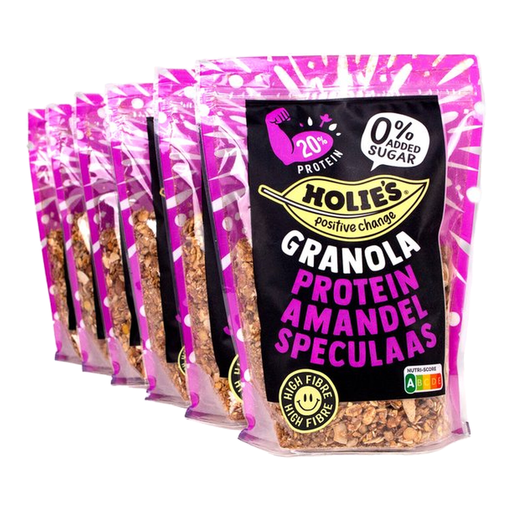
Why it suits this profile: A good choice if you’re after a crunchy breakfast with speculoos spices, nuts and a higher protein content.
The nutritional information states 0% added sugar, but also 462 kcal per 100 g. It’s a good reminder that portion size still matters.
20 g of protein and 14 g of fibre per 100 g according to the product information provided; contains oats, barley, spelt, soya, peanuts and almonds, among other ingredients.
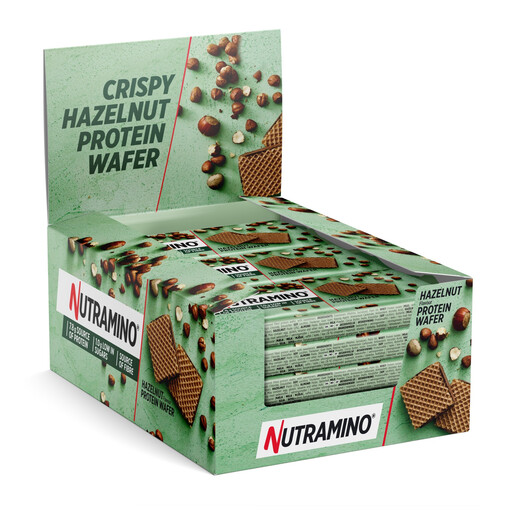
Why it suits this profile: Handy for when you’re out and about, at work or around a training session and don’t have a bowl or spoon to hand.
The portion is clearly stated as 39 g. Bear in mind that it contains sweeteners and polyols, as well as the allergens milk, almonds and soya.
7,8 g of protein, 2,4 g of fibre and 182 kcal per pack according to the product information; box of 12 individually wrapped wafers.
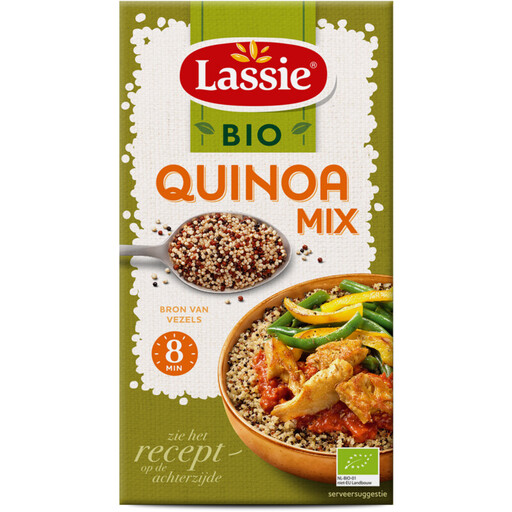
Why it suits this profile: A versatile base for breakfast bowls, porridge, salads and hot meals when you fancy an alternative to porridge oats.
The ingredients list consists of organic quinoa mix. According to the product information, it takes around 8 minutes to prepare.
11,7 g of protein and 7,3 g of fibre per 100 g; according to the product information, it’s gluten-free and free from the 14 major EU allergens.
We’ve put together a complete, up-to-date list of products that meet these strict selection criteria and current European safety regulations.
Choose a product that needs little preparation and makes it easy to control your portion. Instant porridge oats, portion packs and wholegrain breakfast cereals are practical options. You could add fruit, yoghurt, a plant-based drink or flaxseed. Do check whether an instant product contains sugar or sweeteners.
It depends on what you prefer. Porridge oats often contain few ingredients and are easy to customise. Granola is crunchy and ready to eat, but can be higher in calories per 100 g due to the oil, nuts and seeds. So compare fibre, sugar, fat and portion size.
Store porridge oats, muesli, millet, quinoa and flaxseed in a cool, dry place in a sealed container. Milled flaxseed is more sensitive to air and light than whole seeds. Always follow the storage advice on the packaging and check the best-before date after opening.
