
Vandaag of morgen in huis

Kwaliteit gegarandeerd

Welkomstaanbiedingen ontgrendelen: GRATIS bezorging | Tot 80% korting | Gratis 30 dagen JoyPlus-proefperiode
Download de app
Buying branded clothing online seems simple: choose a brand, select your size and place your order. However, an attractive product page can hide important details. A hoodie, for example, may have a looser fit than you expect, a jacket may be less suitable for rain than the product photo suggests, and a soft fabric may need extra care.
As a Joybuy Product Recommendation Officer, I look at product information from a practical point of view. This helps you compare men’s clothing, women’s clothing, sportswear and casualwear without relying solely on brand names or promotional copy.
Nike, adidas, The North Face and Under Armour clothing is available in a range of product lines. A T-shirt for everyday wear has different features from a technical training top. So always check the product category, fit and fabric composition.
A cotton T-shirt can be comfortable for everyday wear, while polyester jogging bottoms may be practical for exercise and easy care. The brand name alone won’t tell you whether a garment is right for your needs.
Marketing copy often uses terms such as warm, breathable or weather-resistant. Check which construction and materials support these claims. According to its product description, a fleece sweatshirt has a soft inner layer and provides warmth, but it isn’t automatically designed to protect you from prolonged rain.
With jackets, it’s important to understand the difference between a windbreaker, fleece, a winter coat and a waterproof shell. Look for terms such as taped seams, water-repellent finish, membrane and insulation. Also check whether a claim comes from the technical product description or the brand’s own research. A brand claim shouldn’t be presented as a proven result without a source.
Sizing varies by brand, style and fit. Regular fit, relaxed fit, slim fit and loose fit can all feel different, even when the stated size is the same. Check the chest, waist or hip measurements in centimetres and compare them with a garment that already fits you well.
Also check the size available for the specific product. For example, the adidas Trefoil Essentials Pants IY7361 is available in size XL, with a stated waist measurement of 91–96 cm. That’s more useful than relying on the XL label alone.
For everyday wear, 100% cotton and cotton blends are popular choices. They tend to feel familiar in T-shirts and knitwear. Polyester and polyamide are often used in sportswear, fleece and jackets because they’re lightweight and easy to care for.
A few practical examples:
A slim fit sits closer to the body, while a relaxed or loose fit gives you more room. Extra space can be useful if you plan to wear layers under a jacket. A regular fit may be all you need in an everyday T-shirt, while some shoppers choose a looser cut for streetwear.
As well as checking the size guide, look at the product photos and description. A style may be described as “true to size”, for example, but that’s a product detail, not a guarantee that it will fit every body shape in the same way.
How long a garment lasts depends on its material, how often you wear and wash it, and how you care for it. Check the washing instructions before you buy:
A jacket with a water-repellent finish may need specific care. Always follow the sewn-in label, as it may differ from the general product information online.

Why it suits this shopper: These black jogging bottoms are designed for everyday comfort, relaxing at home and casual outfits. The slim fit and drawstring waist make them easy to adjust.
The product information lists 70% cotton and 30% recycled polyester, a stated waist measurement of 91–96 cm and clear washing instructions.
Fleece fabric, side pockets, ribbed cuffs and an adjustable waistband.

Why it suits this shopper: This 3-in-1 jacket is designed for changing outdoor conditions. You can wear the outer layer and down inner jacket separately or together.
The description specifies two layers, taped outer seams, adjustable cuffs and 550 fill power insulation. Check the exact size and care instructions before buying.
Layers that can be worn separately, zipped pockets and an adjustable hood.
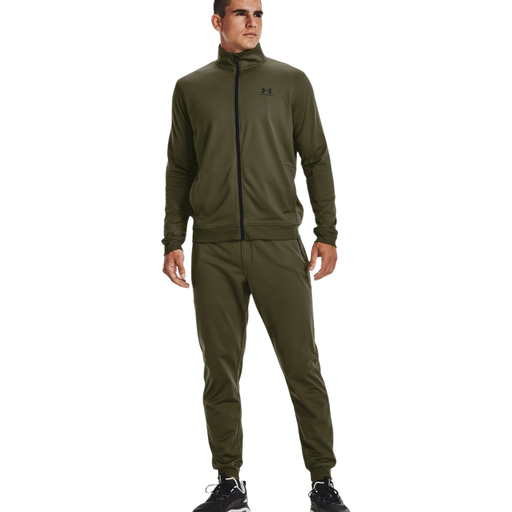
Why it suits this shopper: These sporty jogging bottoms are suitable for warming up, training and everyday wear. The tapered legs narrow from the knee down for a close fit.
The product specifications list 100% polyester, an external drawstring fastening, several pockets and a stated inside leg length of 76 cm for size M.
Ribbed ankle cuffs, an internal phone pocket and, according to the product description, quick-drying fabric.
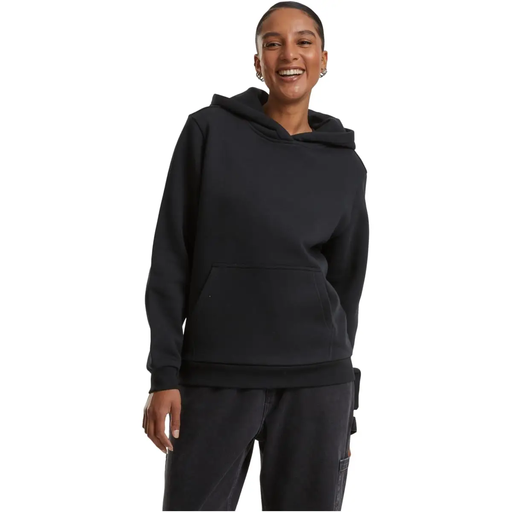
Why it suits this shopper: This women’s hoodie is a good match for casual streetwear and everyday wear. The relaxed fit leaves room for a comfortable outfit.
The 70% cotton and 30% polyester composition and detailed EU size guide make it easier to compare than relying on the product photo alone.
Ribbed cuffs, a hood and care instructions recommending washing with similar colours.
We’ve put together a full, up-to-date list of products that meet these strict selection criteria and the applicable European safety regulations.
Measure your chest, waist and hips with a tape measure, then compare the measurements with the size guide for the specific item. Check the fit too: slim fit, regular fit and relaxed fit can feel quite different. If you’re between sizes, see whether the product description recommends sizing up or down for a closer or looser fit.
Cotton T-shirts, sweatshirts, hoodies, knitwear and jogging bottoms are practical choices for everyday wear. Choose according to the season and your routine. A fleece sweatshirt works well as a warm mid-layer, while a lightweight cotton T-shirt is easy to wear at home or when you’re out and about.
That depends on the material, construction, how often you wear it and how you care for it. Follow the care label, avoid washing at unnecessarily high temperatures and don’t tumble dry if the instructions advise against it. Before buying, check the seams, cuffs, zips and fabric composition too. Consumers in the EU are also covered by the legal guarantee of conformity; some product pages state a minimum legal guarantee period of two years. Your exact rights depend on the circumstances and the applicable regulations.
