
Vandaag of morgen in huis

Kwaliteit gegarandeerd

Welkomstaanbiedingen ontgrendelen: GRATIS bezorging | Tot 80% korting | Gratis 30 dagen JoyPlus-proefperiode
Download de app
A good bowl is an indispensable tool in any kitchen. Whether you're mixing a salad, serving soup, or kneading dough, the right bowl makes the work easier and the food more enjoyable. But the market is flooded with options, and not every beautiful bowl is practical. Common marketing traps and design flaws can leave you with a purchase that just clutters up your cabinets after a few months. This guide will help you recognise the pitfalls and choose the right bowls that will last for years.
Before you make a purchase, it's important to know what often goes wrong. Pay attention to these common issues to avoid a bad buy.
To make a durable and functional choice, focus on a few objective specifications. These will determine if a bowl is truly suitable for your needs.
The material is the most important factor. Each type has its own pros and cons, tailored to specific tasks.
A bowl should not only be beautiful but also practical to use and store.
Based on these objective criteria, we have selected a few products that suit different needs and budgets.
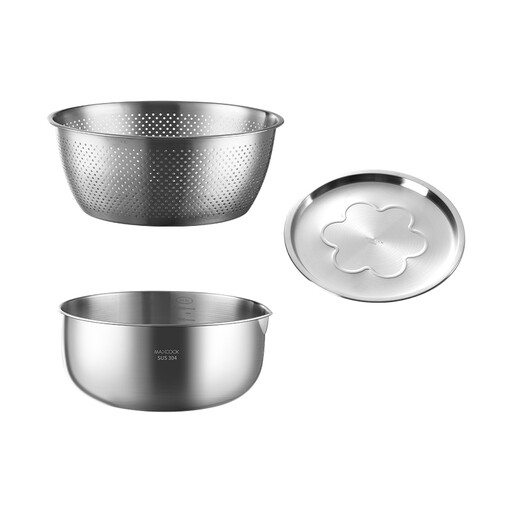
Why This Fits Their Persona: Ideal for those who bake and cook frequently. This set is designed for intensive use, from washing vegetables to kneading heavy dough.
Made from food-grade 304 stainless steel, so it's truly durable and dishwasher-safe. The design is purely functional: deep to prevent splashing and stackable for efficient storage.
Multifunctional: the set includes a colander and a lid, allowing you to mix, wash, drain, and store. The internal measurement markings are a practical bonus.
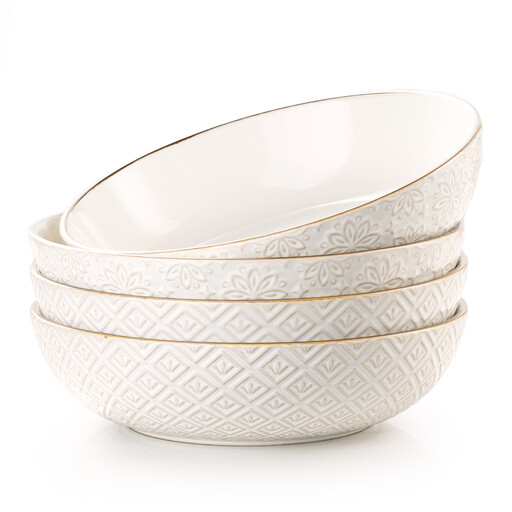
Why This Fits Their Persona: Perfect for those who love to present their meals beautifully. These deep bowls are ideal for pasta, salads, curries, and soups, and the classic white design complements any dinnerware.
These bowls combine style with functionality. They are designed to stack securely, which solves the storage problem common with many designer dishes. The ceramic is scratch-resistant and durable.
Highly versatile: the bowls are dishwasher-, microwave-, and oven-safe. The generous capacity of approximately 1 litre makes them suitable for a full meal.
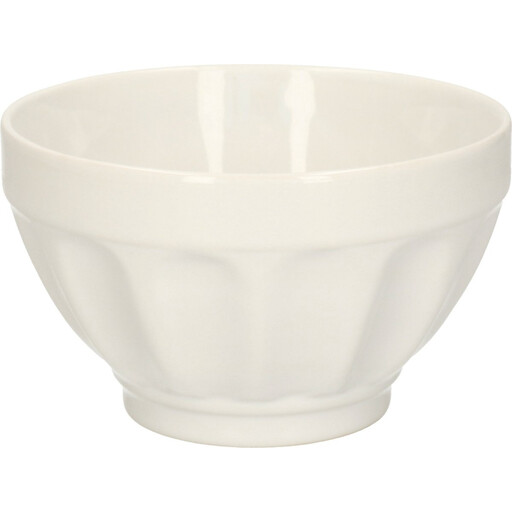
Why This Fits Their Persona: An affordable, all-round bowl that's perfect as a starting point. Ideal for breakfast, soup, or noodles, without needing to buy a whole set at once.
This sturdy porcelain bowl is explicitly stackable and dishwasher-safe. The ribbed design provides a good grip and a timeless look that won't go out of style.
Extremely practical for daily use: the bowl is microwave-, oven-, and dishwasher-safe. The 600 ml capacity is a perfect, versatile size.
Porcelain is fired at a higher temperature than standard ceramic (earthenware). This makes the material harder, less porous, and generally stronger. As a result, porcelain bowls can often be designed to be thinner. For daily use, both materials are suitable, but porcelain typically offers better durability and is more resistant to stains and scratches.
Yes, most stainless steel mixing bowls, especially models made from high-quality 304 stainless steel, are completely dishwasher-safe. It is one of the most low-maintenance materials for the kitchen. However, remember: stainless steel should never be used in the microwave.
A practical basic set for most households consists of:
With this combination, you'll be prepared for most cooking and serving tasks.
