
Vandaag of morgen in huis

Kwaliteit gegarandeerd

Welkomstaanbiedingen ontgrendelen: GRATIS bezorging | Tot 80% korting | Gratis 30 dagen JoyPlus-proefperiode
Download de app
Buying biscuits online might seem straightforward, but product photos and flavour names don’t always tell the full story. A bag can look bigger than it really is, a fruit or chocolate flavour might be mostly artificial flavouring, and an international pack can contain allergens you wouldn’t immediately recognise. With a few simple checks, you can compare flavour, quantity, ingredients and when you’ll eat them much more easily.
An 800 g pack looks tempting for families or the office, but you also need to think about the best-before date and how you’ll store the biscuits once opened. A large open bag can go soft more quickly if it isn’t sealed properly. Smaller packs of 90 to 115 g are handier for taking on the go, while multipacks or larger bags can be good for sharing.
So compare the price per 100 g, not just the price of the whole pack.
With chocolate biscuits, matcha biscuits or strawberry biscuits, the flavour can come from cocoa, powder, purée, flavouring or a mix of these. Always check the ingredients list before you decide. For example, Nikko Matcha Cookies state 0.6% matcha – that gives you a much clearer picture than just the name on the front.
The same goes for lemon biscuits and almond biscuits: it’s worth checking whether lemon, almond or just a flavouring is listed.
Words like “premium”, “rich” or “reduced sugar” are only useful when you can check them against real data. Look at the net weight, the nutritional values per 100 g, the ingredients and the allergens. For products from other countries, the packaging may also contain extra or different information. So always read the actual label when you receive your order.
First, decide what you’re after:
The description of the texture is a guide, not a guarantee of personal taste. If you’re unsure, start with a smaller pack.
In the Netherlands, the fourteen main allergens must be clearly labelled. With biscuits, look out especially for:
According to the product information, Nikko Matcha Cookies contain wheat, milk, egg and soya. Daliyuan Crispy Almond Cookies also list peanuts, almonds and sulphites. g’woon Assorted Cookies mention milk, almonds, hazelnuts and possible traces of peanuts.
If you have an allergy or intolerance, always check the packaging. Online information can change and does not replace the label.
Don’t just compare the weight – also think about the pack format. Individually wrapped biscuits are handy for a lunchbox, the office or when you have guests. A larger bag is more practical when several people want to help themselves at the same time.
Store biscuits according to the instructions: usually in a cool, dry place away from direct sunlight. Seal the pack well after opening. When ordering biscuits online, also check the best-before information on the pack; the exact date can vary from delivery to delivery.
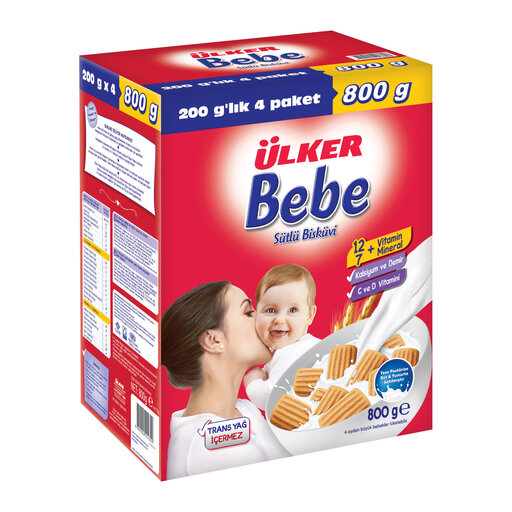
Why this fits the profile: The large pack is ideal for households that regularly serve biscuits with coffee, tea or milk.
The net weight of 800 g is clearly stated, so you can compare the quantity against smaller packs.
Large pack; wheat, milk and egg listed as allergens; according to the product information, suitable for serving straight away.
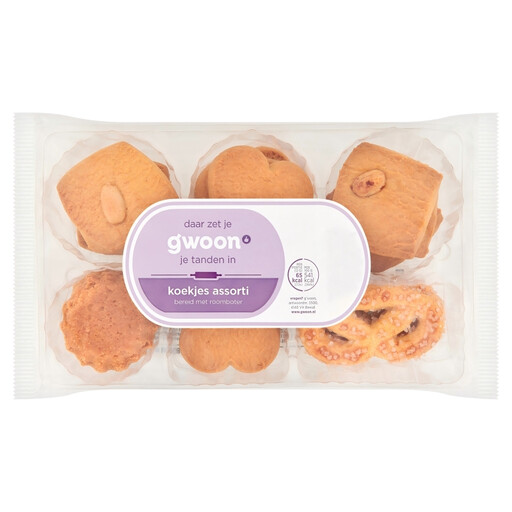
Why this fits the profile: An assortment offers different shapes and flavours in one pack, handy for visitors and serving occasions.
The ingredients and allergens are specified, including milk, almonds and hazelnuts. So you don’t have to rely on the product photo alone.
200 g assortment; several biscuit types; clear nutritional information per 100 g.
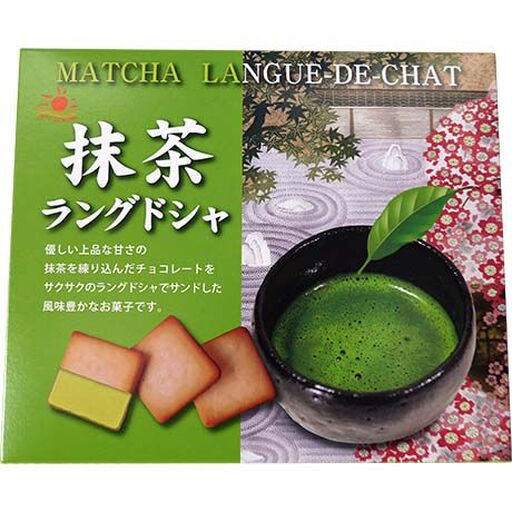
Why this fits the profile: For anyone specifically looking for Japanese biscuits and a matcha flavour in a compact pack.
The label states 0.6% matcha and lists wheat, milk, egg and soya. That helps you judge both the flavour expectation and the allergens more accurately.
90 g pack; origin Japan according to the product information; nutritional value of 582 kcal per 100 g on the label.

Why this fits the profile: The 403 g pack suits families, parties and shoppers who want a fruity flavour to share.
The weight and nutritional values are clearly stated. Do check the actual label and best-before date when you receive it.
403 g net weight; sandwich biscuit with strawberry flavour according to the product description; stated nutritional value of 460 kcal per 100 g.
We’ve put together a full, up-to-date list of products that fully meet these strict selection criteria and current European safety regulations.
Crunchy biscuits, butter biscuits, almond biscuits and filled biscuits are often served with coffee or tea. Choose a compact pack for a small household and an assortment or larger bag for visitors. With filled varieties, check whether the pack reseals well after opening.
That varies by product and pack. Follow the storage advice on the label and seal the bag airtight. Biscuits with a filling or coating can be more sensitive to heat and moisture. The exact best-before date is on the pack; don’t use any product where the packaging is damaged.
Look at net weight, price per 100 g, individual portions and allergens. A mix of neutral biscuits and distinctive flavours like lemon, strawberry or matcha often works well for different preferences. In an office or shared setting, it’s also a good idea to keep allergen information visible.
