
Vandaag of morgen in huis

Kwaliteit gegarandeerd

Welkomstaanbiedingen ontgrendelen: GRATIS bezorging | Tot 80% korting | Gratis 30 dagen JoyPlus-proefperiode
Download de app
Buying biscuits might seem straightforward, but online you'll often notice big differences in packaging, contents and ingredients. A large box isn't automatically better value, and a premium look doesn't tell you much about what's inside. Terms like "artisan", "authentic" or "intense flavour" only matter when the product information backs them up.
With these practical checkpoints, you can compare biscuits and sweet treats in a level-headed way. That way, you'll find biscuits for your coffee, an assortment for guests or a small treat for on the go.
Don't just compare the price of the pack. Also look at the net weight, the number of biscuits and the recommended serving size. A 400g pack might be suitable for guests, whereas an individually wrapped 40g product is more convenient for taking out with you.
A product might be described as rich, traditional or Italian, while the ingredients list is mostly flour, sugar and vegetable fats. That's not necessarily a problem, but it helps to set your expectations in line with what the product actually is.
With Italian biscuits such as cantuccini, you can also look at the method of preparation. The product description for Sapori, for example, mentions a twice-baked biscuit with almonds. That explains the firm, crunchy texture far better than a generic taste claim.
Biscuits frequently contain wheat, gluten, milk, egg, soya, peanuts or other nuts. So always check the current packaging, even if an online product page seems to show different information. Also note the difference between "contains" and "may contain traces".
A best-before date isn't a quality guarantee after opening. Store biscuits in a cool, dry place, seal the pack properly and don't use a product if the packaging is damaged.
For everyday use, packs of 150g to 260g are often manageable. For guests or a biscuit assortment, 320g to 400g can be more practical. Individual portions, such as the Tokimeki Biscuit Stick Latte Fl at 40g, are easy to take with you and limit how much you open at once.
Ingredients are listed in descending order by quantity. If sugar is near the top, it makes up a significant part of the recipe. With chocolate biscuits, check whether cocoa powder, chocolate or milk chocolate is used. With nut biscuits, it's useful to see what percentage of almond, peanut or pistachio is present.
Examples from the range:
Use the nutrition table to compare products fairly. Pay particular attention to energy, sugars, saturated fat and salt per 100g. The values vary widely: in the range provided, the energy figures range from around 449 to 542 kcal per 100g.
That doesn't mean one biscuit is automatically "good" or "bad". The serving size and when you eat the biscuits also play a part. For a treat with coffee, you can mainly look at taste, size and quantity per pack.

Why this fits the profile: A familiar choice for anyone looking for everyday biscuits to have with coffee, without needing to put together a big assortment. According to the product information, the pack contains around 28 biscuits.
The net weight of 250g and the stated number of biscuits make it easier to assess the contents and price per biscuit.
250g, intended for coffee or tea, with wheat listed as an allergen and a clear nutrition table.
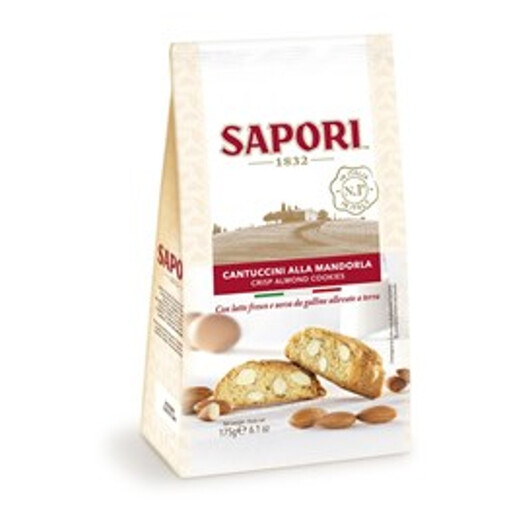
Why this fits the profile: Ideal for anyone who wants a distinctive Italian biscuit with almond and a firm crunch for espresso, coffee or tea. The product description mentions fresh eggs, whole milk, honey and 20% almonds.
The firm texture is explained by the stated double-baking method. The ingredients and allergen list help you check expectations and dietary requirements.
175g, 20% almonds according to the product information and an IGP mark mentioned in the product description.
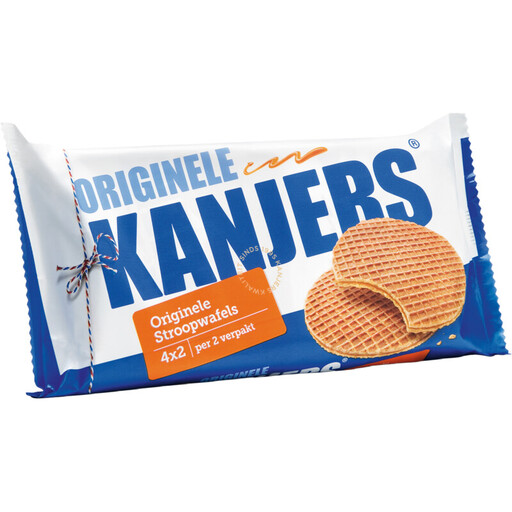
Why this fits the profile: Handy for households, guests or on the go thanks to eight individual stroopwafels, packed in sets of two.
The portion packaging stops you from opening the whole box each time. Do check the allergen overview: the product information lists wheat, milk and soya.
Eight pieces, net weight of 320g and packed in pairs for storage and taking with you.
We've put together a full, up-to-date list of products that fully meet these strict selection criteria and comply with current European safety regulations.
That depends on your preference. Coffee biscuits with coffee extract complement a strong cup of coffee. Cantuccini are firm and are often eaten with espresso or tea. Stroopwafels are softer and, according to the product description, can be warmed over a hot drink. Speculaas and Bastogne combine sweetness with cinnamon and work well with both coffee and tea.
Store biscuits in a cool, dry place, out of direct sunlight and away from heat and moisture. Seal the pack properly. For larger packs, an airtight storage tin can help keep the crunchy texture for longer. Always check the storage instructions on the packaging.
Look at the total weight, the number of pieces and the variety of flavours. A mix of plain biscuits, chocolate biscuits, waffles and stroopwafels gives guests more choice. Also check the allergen information and bear in mind products containing peanuts, nuts, milk, egg, soya or gluten.
