
Vandaag of morgen in huis

Kwaliteit gegarandeerd

Welkomstaanbiedingen ontgrendelen: GRATIS bezorging | Tot 80% korting | Gratis 30 dagen JoyPlus-proefperiode
Download de app
Buying biscuits might seem simple, but online you’ll find products from different categories listed alongside one another. A butter biscuit, protein bar and biscuit mix each suit a different occasion and have a different nutritional profile. If you only look at the front of the pack, you could end up choosing something that doesn’t match your preferred flavour, portion size or dietary preferences.
Look out for these three common pitfalls:
The table per 100 grams makes it easier to compare different products. Look at energy, fat, saturated fat, carbohydrates, sugars, fibre, protein and salt. Also check the portion size. Even a product with favourable values per 100 grams can add up if you eat several portions at once.
Examples from the range show clear differences:
“Low GI” and “sugar-free” are product claims, so assess them alongside the full ingredients list and nutrition table. According to the product information, Panpan replaces sucrose with maltitol (E965); the same information states that the product contains 11,7 grams of sugars per 100 grams.
Sugar-free biscuits may contain sweeteners. Klene Sugar-Free Lavender Biscuits, for example, lists 51 grams of polyols per 100 grams and warns that excessive consumption may have a laxative effect. This is useful information if you’re looking for biscuits to take on the go or give to children.
“Less sugar” is also a comparison within a product group, not a guarantee that the sugar content is low. g’woon Cookie Bars Less Sugar lists 22,8 grams of sugars and 9 grams of fibre per 100 grams. Always check the current packaging, especially if you have a particular dietary preference or allergy.
In the EU, major allergens must be clearly indicated. Check for wheat, cereals containing gluten, milk, soya, egg, nuts, peanuts and sesame, among others. Also look out for warnings such as “may contain traces of”. If you have an allergy, always follow the information on the packaging.
Preparation instructions are also part of the picture when you’re buying a biscuit mix. Koopmans Butter Cookie Mix needs further preparation and isn’t intended to be eaten raw. Dr. Oetker Cookies Chocolate Chips also needs additional ingredients, including butter or margarine and an egg, and the dough must then be baked thoroughly. So remember to factor in extra ingredients, baking time and portion size.
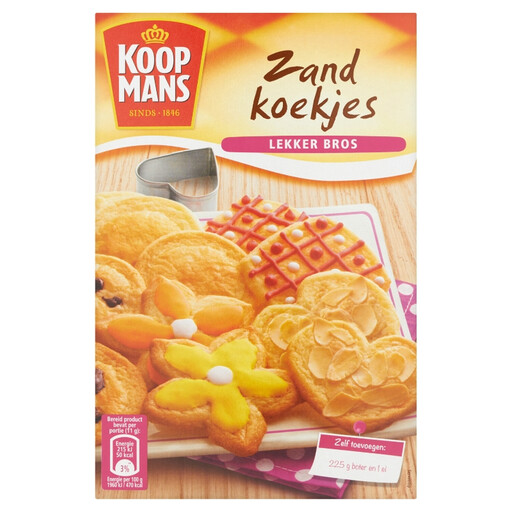
Why it suits this profile: A convenient starting point for families who want to make butter biscuits together without weighing out all the dry ingredients individually.
The pack explains how to prepare the mix and says that the dough shouldn’t be eaten raw. This makes it clear in advance that extra ingredients and steps are needed.
400 grams of mix; according to the product information, suitable for a family baking session, with portions of around 11 grams.
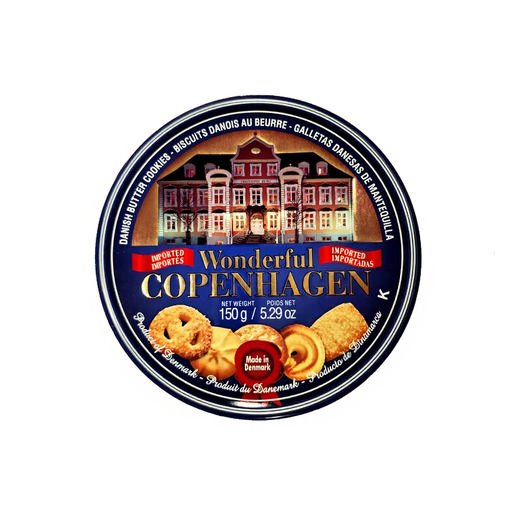
Why it suits this profile: For anyone looking for a classic butter biscuit with butter clearly listed as an ingredient, in a compact pack.
The product information states that it contains 26% butter and gives the nutritional values per 100 grams. This lets you compare your expectations for flavour with its nutritional profile.
150 grams; 26% butter according to the ingredients list; clear information on 452 kcal and 25 grams of sugars per 100 grams.
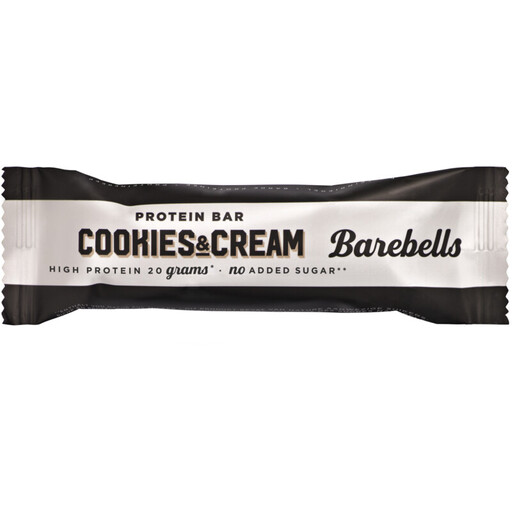
Why it suits this profile: A single portion to enjoy on the go or after an active day, when you fancy a sweet, high-protein snack.
The pack states that one portion is 55 grams, lists 37 grams of protein per 100 grams and includes a warning about sweeteners. This makes it easier to judge the portion size.
55 grams per bar; 37 grams of protein and 5 grams of fibre per 100 grams according to the product information.
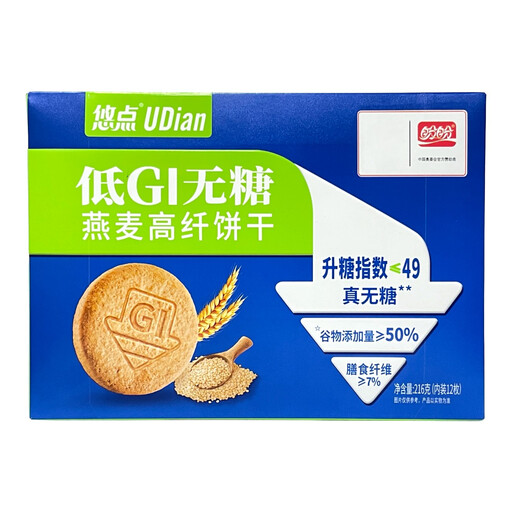
Why it suits this profile: An option for shoppers who want to compare wholemeal flour, oats and fibre alongside the sugar content.
The product information lists maltitol and includes a warning about sweeteners. This makes it clear that “sugar-free” doesn’t mean free from sweetening ingredients.
216 grams; 10,6 grams of protein and 11,7 grams of sugars per 100 grams; oats and wheat bran are listed among the ingredients.
We’ve put together a complete, up-to-date list of products that meet these strict selection criteria and the applicable European safety requirements.
For a traditional coffee break, butter biscuits, stroopwafels and chocolate biscuits are often a better fit than a protein bar. According to the product information, Bakker Joop Stroopkoeken contains eight large biscuits and has 30,5 grams of sugars per 100 grams. Individually wrapped options, such as Jiashili Fruity Biscuits with blueberry filling, can be handy for children or sharing on the go.
A filled biscuit or Hello Panda Caramel offers a different taste experience, but often contains more sugar and fat than a plain biscuit. So don’t just look at the packaging: check how much is in the bag and how many portions it contains.
Choose a pack that reseals securely or contains individual portions. Also consider how easily the biscuits might break, any allergens and warnings about sweeteners. A 55-gram bar or individually wrapped filled biscuits are easier to take with you than a large open bag.
No. Sugar-free biscuits may contain sweeteners, polyols or other carbohydrates. So compare energy, carbohydrates and sugars per 100 grams, and read the warnings on the packaging. If you’re unsure whether a product suits your personal diet, it’s best to discuss the ingredients with a healthcare professional.
That depends on the price per pack, any extra ingredients you need and how many biscuits you make. You may need to add butter, margarine or egg to a mix. So work out the total cost per portion, and factor in preparation time and the energy used by the oven.
