
Vandaag of morgen in huis

Kwaliteit gegarandeerd

Welkomstaanbiedingen ontgrendelen: GRATIS bezorging | Tot 80% korting | Gratis 30 dagen JoyPlus-proefperiode
Download de app
Buying biscuits seems straightforward – until you’re faced with a shelf full of biscuits, breakfast biscuits, wafers and snack packs. But an attractive front doesn’t always tell you what you need to know. Terms like “with grains”, “with fruit” or “source of fibre” don’t reveal exactly how much sugar, salt or fibre is in a serving.
As a Joybuy Product Recommendation Officer, I’ll help you focus on the information you can verify: ingredients, nutritional values, allergens, portion size and age guidance. That way, you won’t end up choosing a pack that doesn’t suit your family or the occasion.
Fruit biscuits often contain raisins, currants or fruit purée, but can also include sugar, glucose syrup or maltodextrin. For example, Sultana Fruit Biscuit Natural contains 35% dried grapes and 31.6 grams of sugars per 100 grams. That makes it a fruity snack, but not automatically a low-sugar product.
So always check:
A product can contain several grains without wholegrain flour being the main ingredient. For instance, Belvita Wholegrain Cookies combines wheat flour, barley, spelt, wholewheat and oats. The pack states 6.2 grams of fibre per 100 grams, but also 22 grams of sugars and 1.4 grams of salt.
So compare the nutritional information table per 100 grams. That way, you can fairly compare breakfast biscuits, wholegrain biscuits and regular biscuits side by side.
Baby biscuits are not the same as regular biscuits in a smaller size. For young children, pay attention to the recommended eating occasion, the texture and the preparation method. According to the product information, The Little Kitchen Organic Soft Cookies are suitable from 6 months and have a soft texture. Organix Bio Farm Animal Biscuits are stated on the pack as intended for children from 12 months.
An age indication is a guideline. Always make sure a child is sitting upright, stay nearby and check the current instructions on the pack.
The ingredients list is in descending order by weight. If wheat flour or sugar appears near the top, it forms a significant part of the product. Also check the allergens, especially for almond biscuits, chocolate cookies and products containing milk or soya.
Common allergens in the range include:
HaoChiDian Crispy Walnut Cookies lists wheat, egg, peanuts, milk and walnuts among its ingredients. The product also contains sulphites and is made in an environment where soya and sesame are also handled. If you have an allergy or coeliac disease, always check the most recent packaging and don’t rely solely on the product name.
Even with gluten-free biscuits, care is needed. According to the product information, Verkade Oaties Original uses gluten-free oats, but also includes a warning about oats and possible traces of milk, nuts and soya. “Gluten-free” doesn’t automatically mean free from all other allergens.
A small individual pack can be handy for on the go, but first compare the values per 100 grams. Pay particular attention to:
According to the stated table, Liga Evergreen Grain Biscuits With Berry Flavour contains 7.4 grams of fibre per 100 grams. The biscuits are packed in pairs, which can be useful for a fixed portion. Belvita contains six individual packs of four biscuits. That makes the product practical for work, school or on the go, but the total nutritional value still depends on how many you eat.
For a store cupboard, shelf life and resealability are important. Individually wrapped fruit biscuits, such as Sultana Fruit Biscuit Natural, are practical for a bag. A box of 12 individually wrapped wafers, like NABATI Butter Caramel Flavor Wafer, is suitable for sharing or storing per portion.
Store biscuits in a dry, cool place away from direct sunlight. Seal an opened pack well to limit loss of crunchiness and quality from moisture.
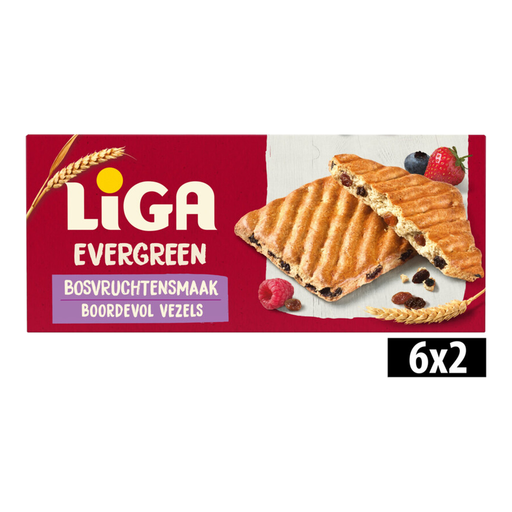
Why this fits the profile: The biscuits, packed in pairs, are easy to take with you and, according to the product information, contain wholegrain cereals, fruit pieces and 7.4 grams of fibre per 100 grams.
The nutritional values make it clear that “fruit” and “grains” are not the same as low sugar. You can factor in the 31 grams of sugars per 100 grams before you decide.
250 g net weight; packed in pairs; contains wheat and soya and states possible presence of egg and milk.
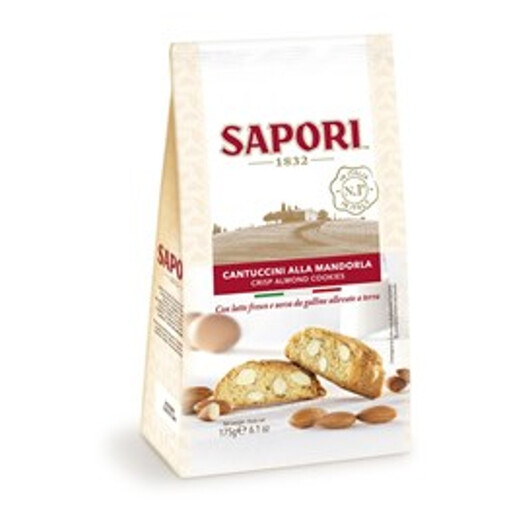
Why this fits the profile: These hard almond biscuits are designed for a relaxed coffee moment and, according to the product description, are twice-baked for a firm, crunchy texture.
The product information states the almond content of 20%, so you’re not relying solely on the name “almond biscotti”.
175 g net weight; 20% almonds; 4.7 g fibre and 10 g protein per 100 g; contains gluten, milk, egg and nuts.
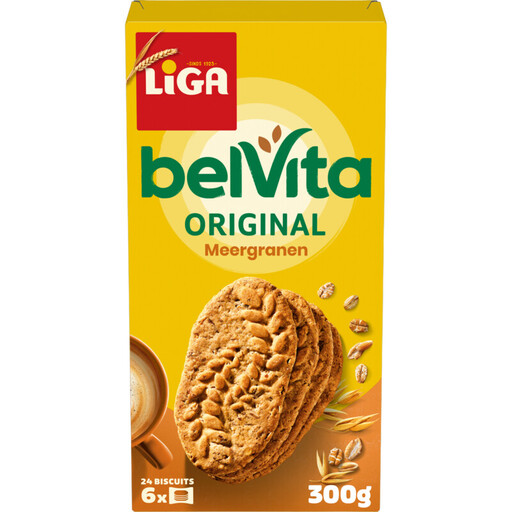
Why this fits the profile: The box contains six packs of four biscuits. That suits workdays, lunchboxes or fixed portions on the go.
The claim about five grains can be verified via the ingredients list. Fibre, sugar and salt are also stated per 100 grams.
300 g net weight; 6 multipacks; 6.2 g fibre per 100 g; contains wheat, milk, soya and gluten-containing cereals.
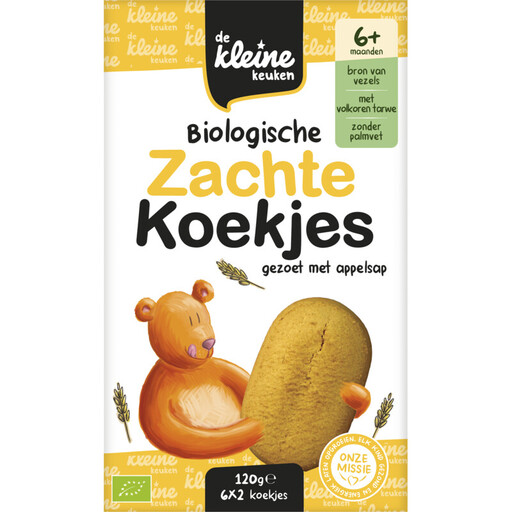
Why this fits the profile: According to the product information, these soft baby biscuits are suitable from 6 months and made with wholegrain wheat and concentrated apple juice.
The age, texture and allergens are clearly stated in the product information. The product does contain wheat and milk; check this before purchase.
120 g net weight; 5.4 g fibre per 100 g; contains added vitamin B1; from 6 months according to the product information.
We’ve put together a full, up-to-date list of products that fully meet these strict selection criteria and comply with current European safety regulations.
When ordering biscuits online, pay attention to the ingredients list, allergens, nutritional values, net weight and shelf life on the product page. Don’t just compare the price per pack, but also the price per 100 grams. That way, you can see whether a multipack is actually better value.
No. “Wholegrain” tells you about the type of grain used, but not automatically about sugar, fat or salt. Look at the full nutritional information table. A wholegrain biscuit can still contain relatively high sugar, while a product with less sugar isn’t necessarily wholegrain.
Only choose baby biscuits with an appropriate age recommendation and follow the usage instructions on the pack. Also pay attention to the texture and allergens. Regular chocolate cookies, wafers or hard almond biscuits are not automatically suitable for young children. Always stay nearby while they eat and check the current product information.
