
Vandaag of morgen in huis

Kwaliteit gegarandeerd

Welkomstaanbiedingen ontgrendelen: GRATIS bezorging | Tot 80% korting | Gratis 30 dagen JoyPlus-proefperiode
Download de app
Buying biscuits might seem straightforward, but there’s a huge range of flavours, sizes, ingredients and packaging to choose from. Whether you’re looking for biscuits to enjoy with a cup of coffee, biscuits for on the go, a lunchbox treat or Japanese snacks to share, there’s more to consider than just the front of the pack.
Look out for these three common pitfalls:
For enjoying with coffee or tea, try sturdy biscuits such as Bastogne mini biscuits or almond biscuits. Cantuccini are baked twice, which makes them hard and crunchy. They’re often enjoyed alongside coffee or tea, and can be dunked in a hot drink.
Smaller packs are handy for when you’re out and about. Think biscuit sticks, Pocky biscuits or individually wrapped snacks. They take up very little room, and you don’t have to open a large pack straight away. For a lunchbox, portions of around 40 to 55 g are easy to manage.
Looking for something to share? Check the net weight and number of portions. A 160 g pack, such as LU Bastogne Mini Biscuits, is ideal for several coffee breaks or for putting out on the table.
The ingredients list tells you more than a prominent flavour claim. Check the order: ingredients listed first are present in larger quantities. For chocolate biscuits, you can check whether they contain cocoa powder, chocolate or chocolate pieces.
Always check the allergen information, especially if you’re buying for a family. Many biscuits contain wheat and gluten. Other common allergens include milk, eggs, soya and nuts. For example, Sapori Cantuccini Almond Biscotti contains wheat, almonds, eggs and milk. Glico Pocky varieties often contain wheat, milk and soya. If you have an allergy or intolerance, always go by the packaging, as recipes and packaging can change.
Also look out for possible cross-contamination. Don’t overlook a warning such as “may contain traces of”.
Compare products per 100 g, not just by pack. This helps you see the difference between, for example, a 40 g bag and a 175 g pack. The example products contain roughly 463 to 518 kcal per 100 g, but the exact amount varies by variety.
Also check:
A claim such as “no artificial colours” or “no preservatives” should be read as product information from the brand. It’s not a reason to automatically draw a nutritional conclusion. Check the full ingredients list and store biscuits as instructed: in a cool, dry place, out of direct sunlight and, once opened, in a tightly sealed container.
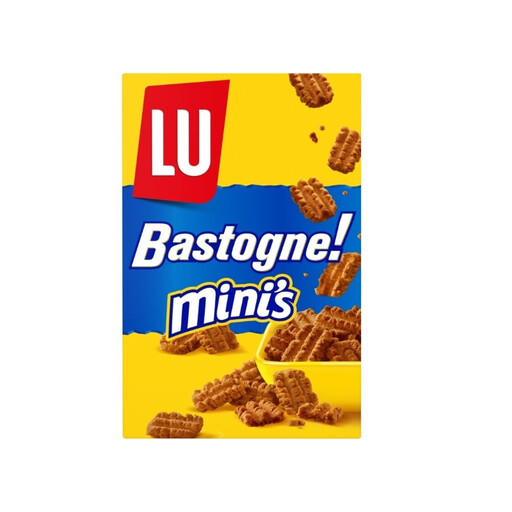
Why it suits this shopper: The mini size and 160 g pack are handy for coffee breaks, guests or a lunchbox. The distinctive spiced, caramelised flavour is easy to recognise, so there’s no need to compare a huge range.
The net weight is clearly stated, and the mini portions are easier to share than one large filled biscuit.
160 g pack; mini size; contains wheat and may contain traces of eggs, milk, soya and nuts.
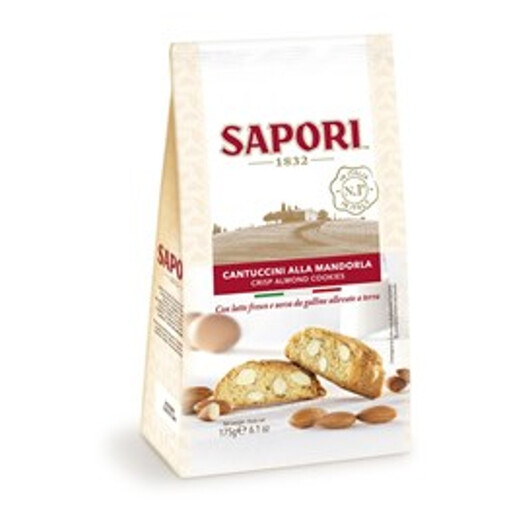
Why it suits this shopper: These Italian almond biscuits are made for anyone who values a firm texture and traditional baking methods. The product description mentions that they’re baked twice and carry an IGP quality designation.
The hard, twice-baked texture is clearly described, so you know you’re not simply buying a soft almond biscuit.
175 g pack; 20% almonds according to the ingredients list; 10 g protein per 100 g; contains eggs, milk, gluten and nuts.
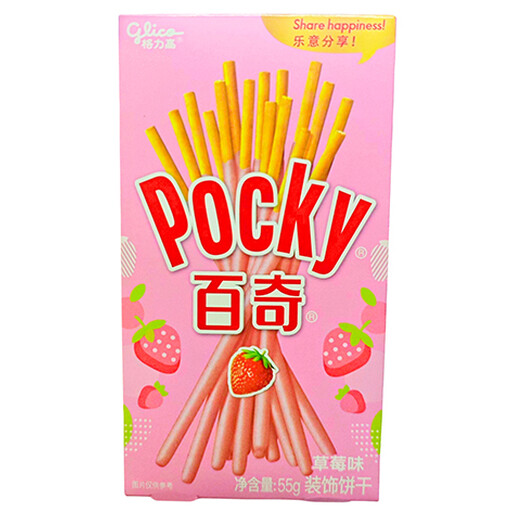
Why it suits this shopper: A handy choice for fans of Japanese snacks, biscuit sticks and strawberry flavour. The compact pack fits easily into a handbag, school bag or desk drawer.
The pack states that it contains 55 g and 10% strawberry powder, giving you a clearer idea of what the flavour claim means.
55 g net weight; crunchy biscuit sticks; 10% strawberry powder according to the product information; contains wheat, barley, milk and soya.
We’ve put together a complete, up-to-date list of products that meet these strict selection criteria and the applicable European safety regulations.
Small packs of 40 to 55 g are usually practical for taking with you. Biscuit sticks, Pocky biscuits and individually wrapped mini biscuits take up very little room. Keep opened biscuits in a tightly sealed container to stop them going soft from moisture.
Check the price per 100 g as well as the number of portions. A family pack may work out cheaper per gram, while smaller packs are more convenient. Also compare the shelf life and how quickly you’re likely to finish an opened pack.
Always read the current packaging. Check both the ingredients list and the separate allergen information, including warnings about possible traces. Online product information can change; always follow the information on the physical label.
