
Vandaag of morgen in huis

Kwaliteit gegarandeerd

Welkomstaanbiedingen ontgrendelen: GRATIS bezorging | Tot 80% korting | Gratis 30 dagen JoyPlus-proefperiode
Download de app
Biscuits might seem simple to pick, but the range is vast. Are you looking for chocolate biscuits to enjoy with your coffee, filled biscuits for a treat, or wholegrain biscuits for on the go? It’s worth looking beyond just the packaging or a well-known brand name.
Many shoppers in the UK come up against the same pitfalls: a large bag turns out to be less practical than expected, an appealing flavour contains allergens that aren’t immediately obvious, or a product is presented as nutritious when its nutritional values are barely different from other biscuits. With a few checks, you can make a more informed choice and avoid a wasted purchase.
A multipack can be handy for families, visitors or the store cupboard. Even so, it’s important to check the total weight and the number of individual packs. For example, ten packs of 66g are good for portion control, whereas a single 200g bag may use less packaging but can lose its crunch more quickly once opened.
So don’t just compare the price per pack – also compare the price per 100g. That way, you can see more clearly whether buying biscuits online actually works out cheaper.
Words like “brownie”, “birthday cake”, “fruit” or “candy floss” mainly describe the taste experience. They don’t automatically mean the product contains lots of cocoa, fruit or other main ingredients. Check the ingredients list and see where sugar, fats, types of flour and flavourings appear.
With fruit biscuits, for instance, the fruit flavour may come from flavourings or icing. With filled biscuits, the filling percentage partly determines how much space it takes up in the product.
Biscuits often contain wheat and gluten. Depending on the variant, milk, soya, egg, peanuts, nuts or sesame may also be present. Even products within the same brand don’t always have the same composition.
So always check the current label on the packaging. The information on a product page is useful as a first check, but the packaging remains the deciding factor when it comes to allergies and intolerances. Also look out for the “may contain” statement.
First, decide what you need the biscuits for:
Also check whether the packaging is resealable after opening. Store biscuits according to the label in a cool, dry place, away from sunlight, heat and moisture. An airtight container helps keep them crunchy.
Use the nutrition table to compare products fairly. Pay particular attention to:
Values per serving can be misleading when serving sizes differ. So compare per 100g first. For example, Belvita Wholegrain Cookies states 6.2g of fibre per 100g and 445 kcal. That makes the product objectively comparable with other wholegrain biscuits, without you automatically drawing a general health conclusion from it.
Look at the order of the ingredients: what comes first is usually present in the largest amount. If you’re after a classic cocoa flavour, you can check the stated cocoa percentage. For butter biscuits, the butter content matters. The Royal Ballet Wonderful Copenhagen Danish Butter Cookies, for example, state 26% butter.
If you enjoy trying international flavours, you’ll find Japanese biscuits with milk, chocolate or strawberry flavours, and Turkish biscuits such as Anatolia Kandil Simiti. With imported products, be extra thorough in checking the Dutch-language product information, allergens and best-before date.
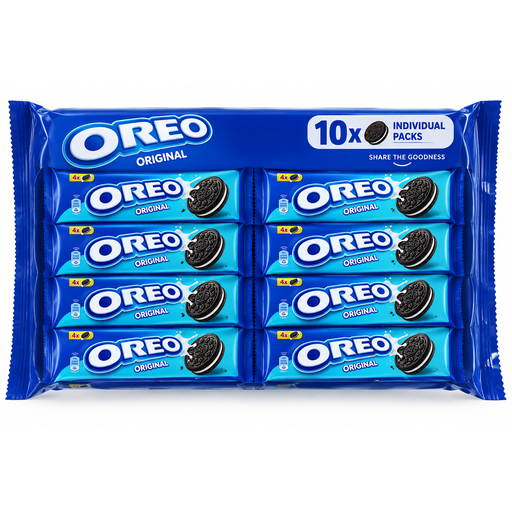
Why this fits the profile: The multipack contains ten portions of 66g, making it practical for families, the store cupboard or a treat.
The total quantity and number of individual packs are clearly stated. Do check the price per 100g and the allergens on the label.
Cocoa biscuits with 29% vanilla filling; per 100g the product information states 476 kcal and 38g sugar.
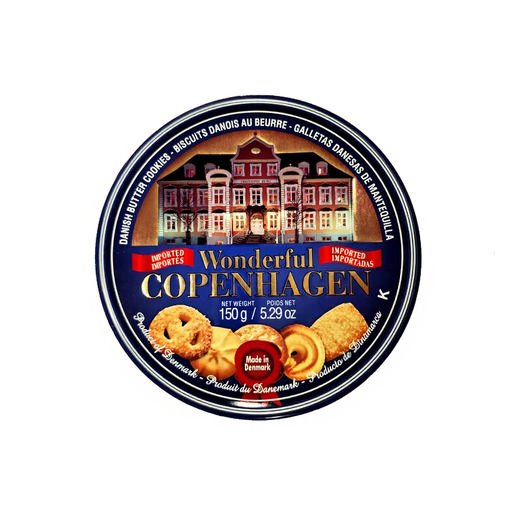
Why this fits the profile: These butter biscuits are designed for a classic serving occasion with coffee, tea or when entertaining.
The product clearly states 26% butter and provides nutritional values and allergen information per 100g.
150g net weight; ingredients list with butter, dried coconut and natural vanilla flavouring.
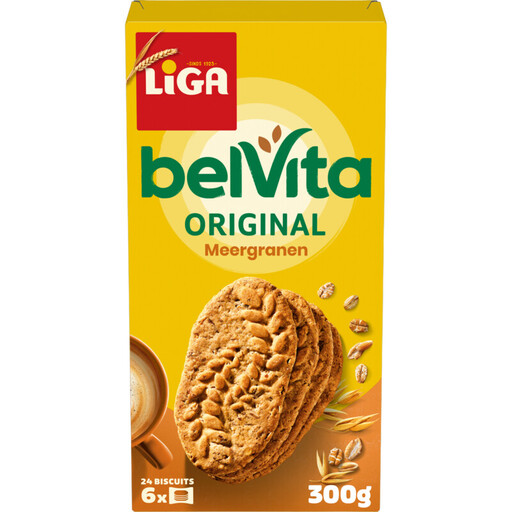
Why this fits the profile: The box contains six individual portions of four biscuits each, making it practical for work, travel or keeping a steady supply.
The portions are pre-divided, so the large pack doesn’t need to be fully opened every time.
300g total; made with five types of grains and 6.2g of fibre per 100g according to the product information.
We’ve put together a full, up-to-date list of products that fully meet these strict selection criteria and comply with current European safety regulations.
Store biscuits in a dry, cool place away from direct sunlight. Seal the original packaging well or use an airtight storage tin. Always check the storage advice and best-before date on the packaging. If the packaging is damaged, it’s best not to use the product.
For coffee and tea, many people choose light biscuits, Marie biscuits, butter biscuits or speculaas biscuits. If you want more flavour, you can go for chocolate biscuits, Oreo biscuits or a variant with lemon, strawberry or pistachio. The right choice mainly depends on the sweetness and texture you prefer.
Compare the weight, the price per 100g, the ingredients, allergens and nutritional values. Also check the origin, the number of portions and the best-before information. With Japanese biscuits, Turkish biscuits or other international products, it’s especially important to review the full product information and the current label.
