
Vandaag of morgen in huis

Kwaliteit gegarandeerd

Welkomstaanbiedingen ontgrendelen: GRATIS bezorging | Tot 80% korting | Gratis 30 dagen JoyPlus-proefperiode
Download de app
Buying biscuits online may seem straightforward, but the range varies widely in flavour, size, ingredients and packaging. Are you looking for sweet biscuits to enjoy with a coffee, chocolate biscuits for the family or international biscuits to share? It pays to look beyond the front of the packet.
Many disappointing purchases come down to three common pitfalls:
First, decide which type of biscuit suits the occasion. Butter biscuits are often crumbly and ideal for a quiet moment with a coffee or tea. Sandwich biscuits consist of two biscuits with a filling and are usually a sweeter option. Filled biscuits can be soft, creamy or more substantial.
Individually wrapped biscuits are practical for children or when you’re out and about. For guests or the family, a selection with several varieties may be more convenient. If you’d like to discover international flavours, look for Turkish biscuits, Japanese biscuits or biscuits from other regions.
Compare not only the price per pack, but also the net weight. A 90 to 100 g bag is a good size for trying a new flavour. Packs of 200 to 300 g are better when several people will be sharing. A multipack, such as 3 x 77 g, can be handy for lunchboxes or several snack breaks.
Pay attention to the packaging, too. Individual portions make biscuits easy to take with you and can help keep them fresh after opening. Product descriptions generally recommend storing them in a cool, dry place and keeping the pack tightly closed once opened.
Always check the current packaging before buying. According to the information provided, online product details for some items may differ from the physical label. Pay particular attention to:
Also check the nutritional information per 100 g. This makes it easier to compare products. For example, the listed energy values across the range vary from around 452 to 554 kcal per 100 g. Sugar content also varies considerably. This doesn’t automatically make a product suitable or unsuitable, but it does give you an objective point of comparison.
A brand’s claim about flavour, recipe or reduced sugar should be read as a statement from the brand. According to the Franzzi product description, the Coconut Latte variety contains 26% less sugar than the regular range; check the current nutritional information on the packaging before buying.
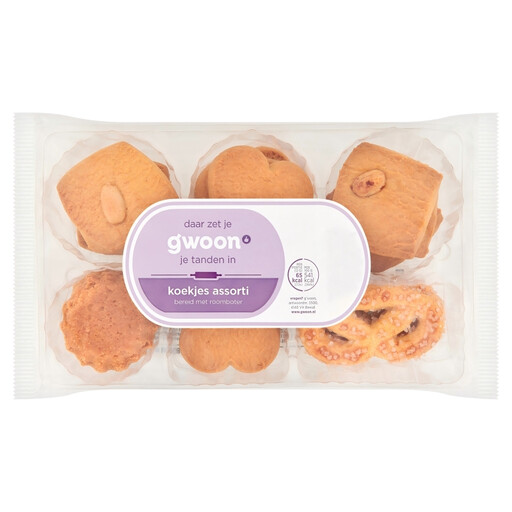
Why it suits this profile: The 200 g pack contains a selection of biscuits and is intended to be enjoyed with coffee or tea. It’s a good way to try different textures and flavours without buying several packs.
The selection pack means you don’t have to buy a large quantity of just one flavour. Do check the listed allergens: milk, almonds, hazelnuts and possible traces of peanuts.
200 g; several varieties in one pack; ideal with coffee or tea.
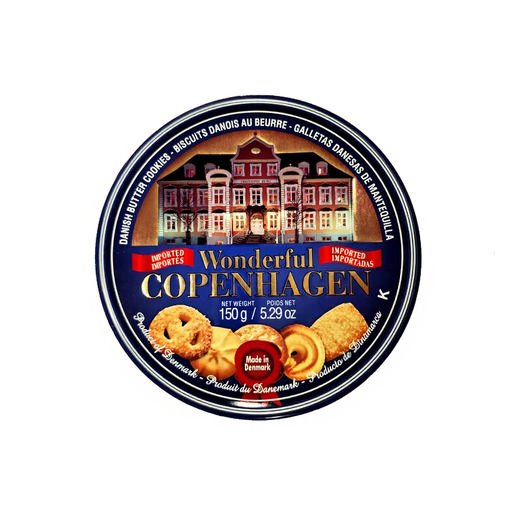
Why it suits this profile: According to the product information, these Danish butter biscuits contain 26% butter and are made for those who enjoy a classic buttery flavour with coffee or tea.
The butter content is clearly stated, so you don’t have to rely on the name “butter biscuits” alone. Check the label for milk, soya and nuts.
150 g; 26% butter according to the product information; classic Danish style.
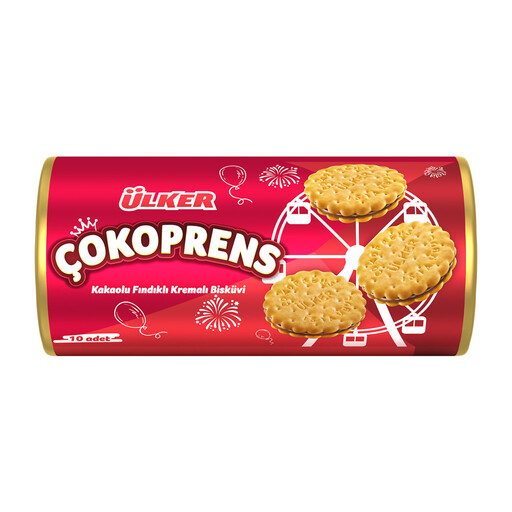
Why it suits this profile: The 300 g pack is ideal for sharing or planning several snack breaks. The sandwich-style biscuit pairs biscuits with a hazelnut and cocoa filling.
The pack size and origin are clearly stated: 300 g and Turkey. Check the allergens before buying, including gluten, hazelnut, milk, soya, egg and sulphites.
300 g; sandwich biscuit; made in Turkey; ideal for sharing.
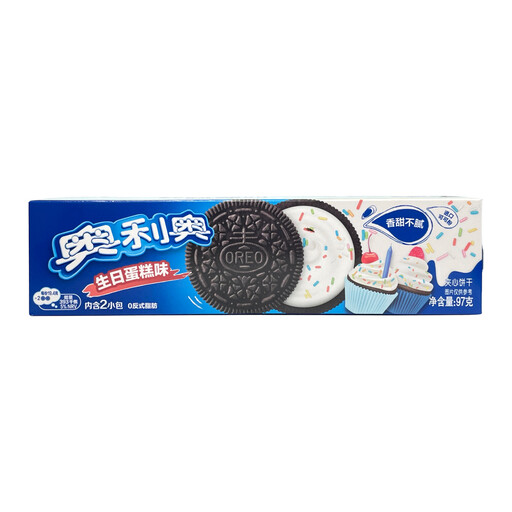
Why it suits this profile: According to the product description, this variety combines chocolate biscuits with a cake-flavoured filling. It’s a good choice if you’re after something different for a treat or to share.
At 97 g, the pack helps reduce the risk of a costly mistake when trying an unfamiliar flavour. Check the allergens present: gluten, milk and soya.
97 g; chocolate biscuit; cake-flavoured filling; made in China.
We’ve put together a complete, up-to-date list of products that meet these strict selection criteria and current European safety regulations.
Butter biscuits, assorted biscuits and some filled biscuits are all good with coffee. Think about the texture you prefer: a crisp biscuit will stay firm for longer, while a filled biscuit may be sweeter and softer. The best choice ultimately comes down to personal taste.
Store biscuits as directed on the packaging, in a cool, dry place, away from direct sunlight, heat and moisture. Make sure the bag or pack is tightly sealed. With individually wrapped biscuits, the unopened portions are generally better protected from moisture.
Choose a size that’s easy to carry and check the packaging for allergens. Individual portions or small bags are handy for a lunchbox or a journey. Also compare sugar, salt and portion size per 100 g, and always read the current label before serving the product.
