
Vandaag of morgen in huis

Kwaliteit gegarandeerd

Welkomstaanbiedingen ontgrendelen: GRATIS bezorging | Tot 80% korting | Gratis 30 dagen JoyPlus-proefperiode
Download de app
Buying biscuits might seem straightforward, but when shopping online, the practical differences can easily get lost among the packaging and flavour names. Whether you're looking for chocolate biscuits, plain biscuits for your coffee, or Japanese snacks for on the go, it's the portion size, ingredients and allergens that matter most — not just the eye-catching packaging.
A 400g bag may look attractively priced, but it's less practical if you're mainly taking biscuits to work or school. Once opened, a pack also loses its crunchy texture more quickly. So compare the price per 100g and check whether the packaging is resealable or comes in individual portions.
Words like "creamy", "premium" or "rich in grains" don't automatically tell you how a biscuit will suit your needs. A filled biscuit often contains more sugar and fat than a plain one. With breakfast biscuits, it's also wise to look at the nutritional information per 100g, not just the portion size on the front.
For products with a particular flavour, such as strawberry, cheesecake or salted caramel, the flavouring can play a bigger role in the taste than the main ingredient. So always check the ingredients list.
Many biscuits contain wheat, gluten, milk, egg or soya. International products may also carry warnings for peanuts, nuts or sesame. Recipes can vary by market and packaging, so always check the label on the product you receive, even if you've bought a similar item before.
Start with the allergens. Orion Choco Pie, for example, lists wheat, milk, egg and soya; the product may also contain traces of peanuts, nuts and sesame. The packaging also mentions gelatine. That's relevant information if you're managing allergies, intolerances or a particular lifestyle.
With Asian biscuits, Korean snacks and Japanese snacks, ingredients may be named differently or appear in a different order than you're used to. For filled biscuits, pay particular attention to the filling, oils, milk components and any colourings.
Use the nutritional table to compare products fairly. Examples from the range:
These figures aren't a judgement on any product. They help you decide whether you're after a small biscuit for your coffee, a sweet snack to share, or a pre-portioned pack for on the go.
For a family or guests, a 200g to 400g bag can be practical. For a lunchbox or bag, smaller packs are often more convenient. Tokimeki Panda Cookie Biscuit Chocolate Flavor comes in a 40g pack, while Orion Choco Pie is available in a 468g pack and also a 234g variant.
Also check the best-before date and storage advice. Keep biscuits dry, cool and out of direct sunlight. Seal the pack well after opening. Do not use a damaged pack.
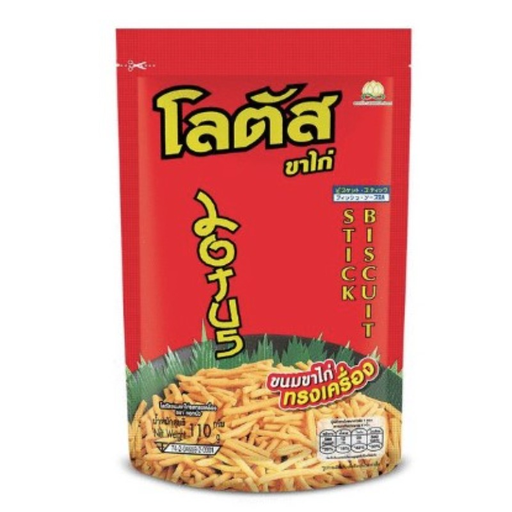
Why this fits the profile: The simple stick shape and 110g pack make this an accessible choice for everyday snacking, a lunchbox or with tea and coffee.
The product information mentions a mild buttery flavour, a crunchy texture and no artificial colourings. The straightforward packaging stops you from buying a large stock all at once.
110g, suitable for vegetarians according to the product information, with wheat and milk listed as allergens.
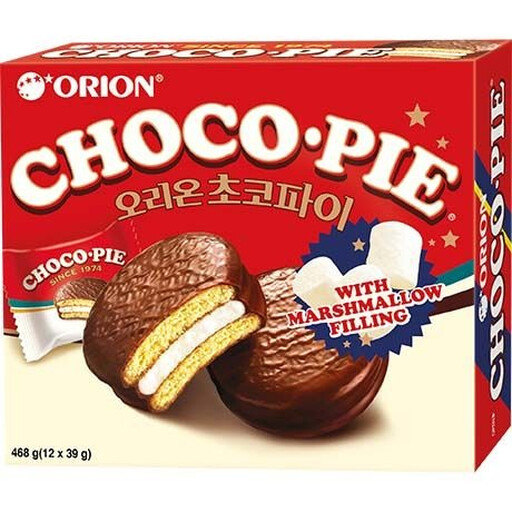
Why this fits the profile: This Korean snack combines a soft sponge cake, a creamy filling and a chocolate coating. The larger pack is ideal for sharing or as a stock for several coffee breaks.
The product page lists specific allergens, nutritional values and storage advice. This means you can compare the filled biscuit in advance rather than relying on the chocolate flavour alone.
468g, soft cake with filling, chocolate coating and clear listing of wheat, milk, egg and soya.
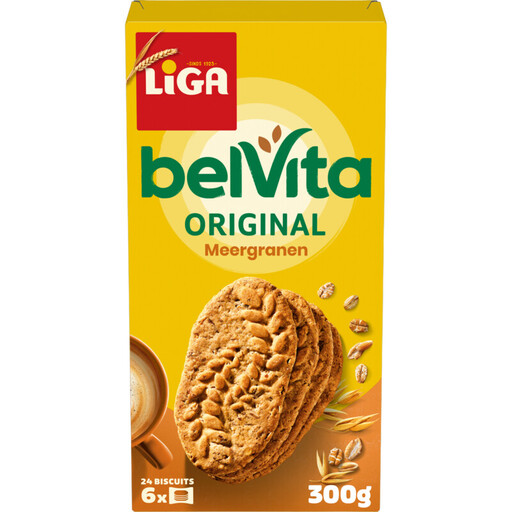
Why this fits the profile: The box contains six individual portions of four biscuits each. That's practical for breakfast, commuting, a desk or a bag without having to open a whole pack every time.
The individual portions limit exposure to air and make portion sizes clear. Do check the ingredients: the product contains milk, wheat, soya and gluten-containing cereals.
300g, five types of wholegrain cereals according to the product information, six portions and 6.2g fibre per 100g.
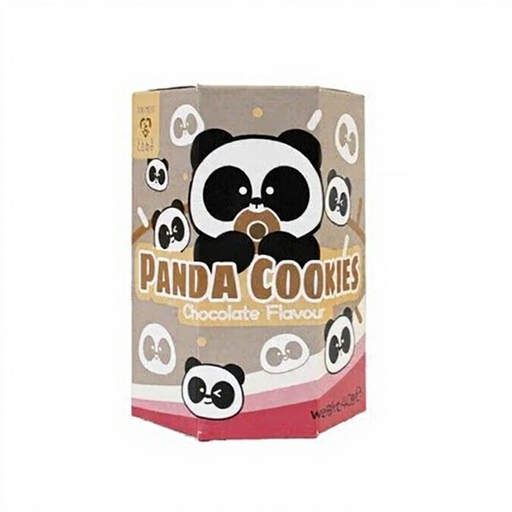
Why this fits the profile: The panda shape and compact packaging make this ideal as a treat, for a lunchbox, a party or a snack on the go.
The small size makes the usage occasion clear and prevents you from buying too much of one flavour. The packaging lists wheat, milk, egg and soya as allergens.
40g, crunchy biscuits with chocolate flavour, panda shape and a size that's easy to take with you.
We've put together a full, up-to-date list of products that fully meet these strict selection criteria and comply with current European safety regulations.
First compare the weight, price per 100g, ingredients and allergens. Then check the size and storage advice. For imported products, it's a good idea to check the product packaging again when it arrives.
Plain biscuits, butter biscuits and speculaas biscuits usually go well with coffee. Verkade Maria Biscuits are light and crunchy; Danish Butter Cookies contain 26% butter according to the product information. For a sweeter combination, you could choose filled biscuits or chocolate biscuits.
Store biscuits in a cool, dry place away from heat, moisture and direct sunlight. Seal the bag or box well. Individual portions remain practical when you're taking biscuits to work, school or on the go. Always check the date and storage advice on the packaging.
