
Vandaag of morgen in huis

Kwaliteit gegarandeerd

Welkomstaanbiedingen ontgrendelen: GRATIS bezorging | Tot 80% korting | Gratis 30 dagen JoyPlus-proefperiode
Download de app
Buying biscuits seems simple, but online you’ll find big differences in flavour, packaging, ingredients and shelf life. Eye-catching packaging tells you little about what’s inside. A large family pack may also be less practical if you only have a sweet snack now and then.
Use this guide to compare biscuits, crackers, wafers and other international treats based on verifiable details. That way, you can make a more informed choice for home, on the go, with a coffee or to share.
A family pack is handy for a household or party, but less suitable if you live alone or rarely eat biscuits. Once opened, biscuits can lose their crunch. So don’t just look at the total weight. Also consider:
A 799 g pack, such as the Parle G Biscuit Jumbo Family Pack, makes the most sense for sharing or if you serve biscuits regularly.
Terms such as “chocolate”, “fruity” or “cheese flavour” often describe a general flavour, but don’t necessarily indicate how much of the named ingredient is in the product. For example, TUC Cheese Crackers list cheese powder at 0.1%. In other products, the flavour may come mainly from flavourings or a blended filling.
So check the ingredients list. Ingredients listed near the top generally make up a greater proportion of the product than those listed towards the end. Also look out for the difference between:
International biscuits may come from a different country, have a different recipe or be packaged differently from the products you’re used to. Always check the current label before buying and eating them. Common allergens in this range include wheat/gluten, milk, soya, egg, nuts, peanuts and sesame.
The product page is useful for an initial overview, but the information on the packaging of the product you receive takes precedence. This is also stated explicitly for products including Glico Pocky. Don’t buy a product if its packaging is damaged, and follow the storage instructions provided.
Compare products by net weight, not just by the price of a pack. A box containing several small portions may be more practical for taking with you, while a large pack may work out better value for a family or gathering.
Examples from the range:
When buying biscuits, also check whether they’re individually wrapped. This helps keep portions separate, but does mean more packaging.
At a minimum, check the ingredients, allergens and nutritional information per 100 g. This lets you compare products on the same basis. For sweet snacks, for example, check the sugar content; for crackers, look at the salt content. Use this information to choose a product that suits your preferences. Nutritional values don’t indicate whether a product is suitable for you personally.
Parle G Biscuits list 449 kcal, 25 g of sugar and 0.5 g of salt per 100 g, among other figures. Oreo Raspberry & Blueberry Sandwich Cookies list 473 kcal, 42.2 g of sugar and 0.94 g of salt per 100 g. These figures show why comparing products per 100 g is more practical than comparing them per biscuit.
Most biscuits have the best texture when stored in a cool, dry place, away from sunlight, heat and moisture. Once opened, sealing the pack securely will help keep them crisp.
Check the date on the packaging. For international biscuits, the date or other information may be displayed differently. A use-by or best-before date is no reason to use damaged packaging: always check the condition of the packaging before opening the product.
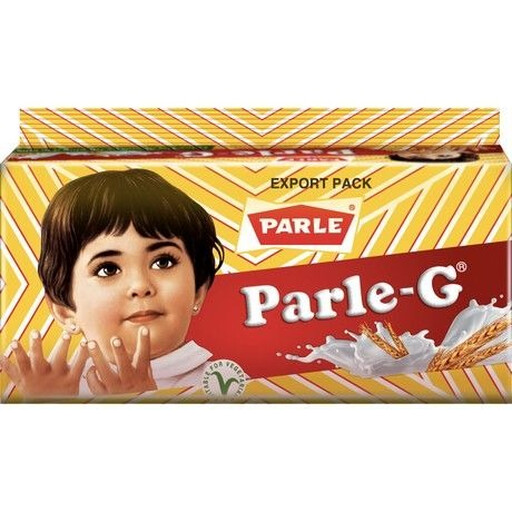
Why it suits this profile: A large pack of mildly sweet biscuits for tea, coffee, visitors or a family that regularly shares biscuits.
The weight and suggested use are clearly stated. Choose this size only if you can finish the pack in good time and store it securely sealed.
799 g, mildly sweet flavour, crunchy texture and suitable for vegetarians according to the product information.
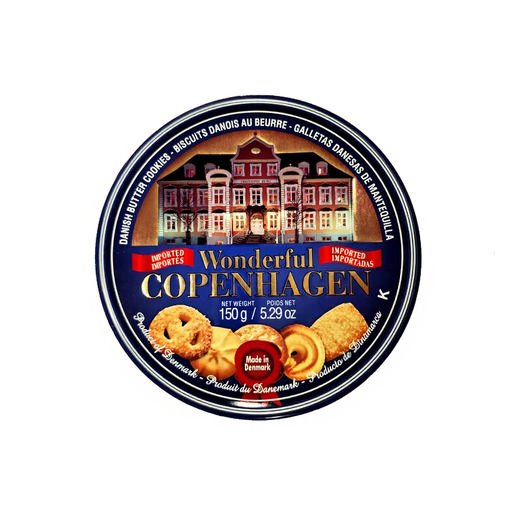
Why it suits this profile: A compact tin of biscuits for coffee, as a gift or for a relaxing coffee break, with a variety of shapes and flavours.
The ingredients list includes 26% butter. Do check the current allergen information, as the product information also flags soya and nuts.
150 g, Danish butter cookies and 26% butter according to the listed product composition.
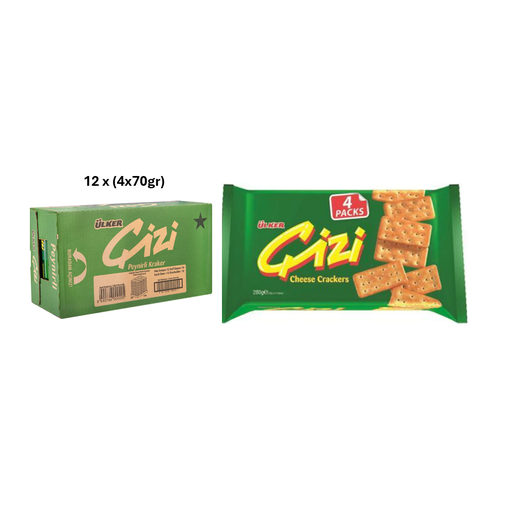
Why it suits this profile: A multipack for parties, keeping the cupboard stocked or occasions when you regularly serve savoury crackers.
The pack contains several 70 g portions, so you don’t have to open one large bag all at once.
12 packs, each containing 4 x 70 g according to the product name; cheese crackers with wheat, milk and sulphites listed in the ingredient information.
We’ve put together a complete, up-to-date list of products that meet these strict selection criteria and the applicable European safety requirements.
Check the net weight, ingredients, allergens, nutritional information, country of origin and storage instructions. When buying biscuits, compare the price per 100 g and see whether the product is individually wrapped. Always read the physical label when your order arrives.
Store biscuits in a cool, dry place away from direct sunlight. Seal the pack securely or use an airtight tin. Crackers and crisp biscuits in particular lose their texture more quickly when they absorb moisture.
Choose a mix of sweet and savoury snacks, such as a large pack of biscuits alongside some crackers. Individual portions are handy when guests can help themselves. For more variety, combine international biscuits with chocolate biscuits, filled biscuits, wafers and Asian biscuits.
