
Vandaag of morgen in huis

Kwaliteit gegarandeerd

Welkomstaanbiedingen ontgrendelen: GRATIS bezorging | Tot 80% korting | Gratis 30 dagen JoyPlus-proefperiode
Download de app
Buying biscuits and crackers online might seem straightforward. However, packaging, portion sizes, ingredients and allergen information can vary considerably. A large bag isn't automatically better value, and eye-catching packaging doesn't tell you much about taste or ease of use. With the right checks, you can more easily compare Japanese snacks, chocolate biscuits, stroopwafels, speculaas and savoury crackers.
Don't just compare the price per pack – compare the price per 100 grams too. A pack containing several small bags may be more expensive, but it can be more convenient for lunchboxes, on-the-go snacking or parties. Conversely, a large pack can be less practical if the contents go soft quickly after opening.
Words like "creamy", "rich" or "artisan" mainly describe a product's positioning. Instead, look at the factual information: type of biscuit, coating, quantity, portion packaging and ingredients. With international products, the recipe and names can also differ from what you're used to in the UK.
Many biscuits and crackers contain wheat or gluten, milk, soya, egg, sesame or sulphites. The "may contain" warning is also relevant if you have allergies. Always check the label on the pack you receive. Online product information can change, and the packaging may contain more or different information than the website.
First, decide what you need the snack for:
Pocky biscuits and other biscuit sticks are easy to eat from the hand. A product like Lu Mikado Milk Chocolate Biscuit Sticks contains 75 g, split into three portions of eleven biscuits each. That makes it suitable for sharing or using as dessert decoration.
Read the ingredients list rather than just the front of the pack. Glico Pocky Cookies Almond 2P 46.2 g lists wheat, milk and soya among its ingredients. The Pocky variants with strawberry, chocolate and cookies-and-cream also contain wheat, milk and soya according to the available product information.
If you need to avoid sesame or egg, pay extra attention to savoury crackers. Lu Vitalu Multiseed contains sesame seeds, flaxseed, pumpkin seeds, egg, soya, sulphites and wheat. BEIERXIANG Octopus Shaped Crackers lists egg as an allergen. If in doubt, check the actual packaging before eating the product.
The nutrition table helps you compare products more objectively. For example, the sweet biscuits listed contain around 468 to 533 kcal per 100 grams, depending on the product. Wasa Delicate Crackers Sea Salt states 436 kcal and 5.4 grams of fibre per 100 grams. TUC Original Crackers states 1.7 grams of salt per 100 grams, while the bacon variant states 2.2 grams of salt per 100 grams.
These figures don't determine whether a snack is "good" or "bad". They do show you which choice better suits your preference – for example, less sweet, more crunch, a salty flavour or a pack for multiple occasions.
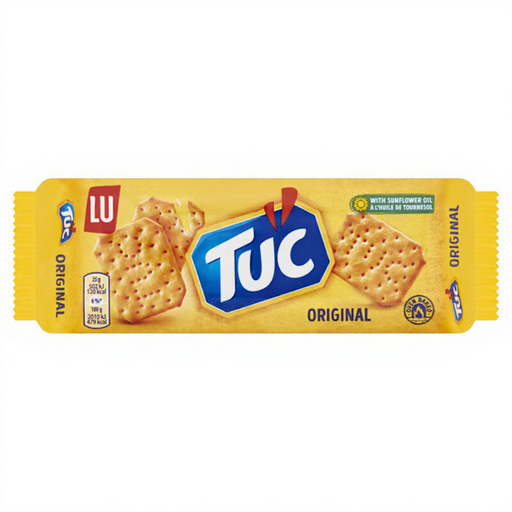
Why this fits the profile: A straightforward 100 g pack for anyone who wants to try a basic savoury cracker without committing to a large multipack.
The size makes it easier to assess the total quantity and price per 100 grams in advance.
Oven-baked, crunchy crackers with a salty flavour; contains wheat, egg and sulphites.
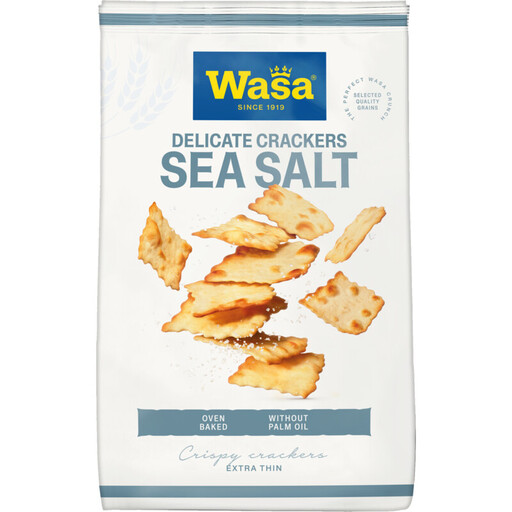
Why this fits the profile: A choice for anyone who cares about texture, olive oil, sea salt and the stated amount of fibre.
The product information clearly states 6.7% olive oil and 5.4 grams of fibre per 100 grams, so you can separate marketing language from specifications.
Bite-size format, sea salt and olive oil; contains wheat and milk.
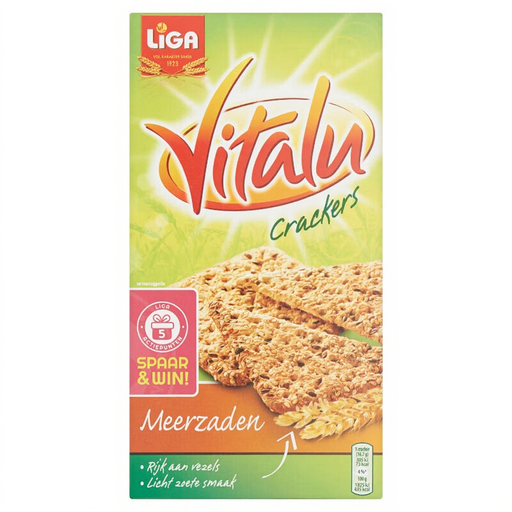
Why this fits the profile: Suitable for breakfast, lunch and multiple snack occasions thanks to 14 crackers in two resealable packs.
The resealable format helps reduce waste and loss of crunchiness after opening.
Wholemeal wheat with sesame, flax and pumpkin seeds; two resealable bags; contains multiple allergens.

Why this fits the profile: A compact Japanese snack with biscuit sticks and strawberry flavour, ideal for lunchboxes, visitors or a sweet treat.
The small size makes portions and usage occasions clearer than with a large bag of snack biscuits.
45 g per pack, recognisable Pocky shape and strawberry flavour; contains wheat, milk and soya.
We've put together a full, up-to-date list of products that fully meet these strict selection criteria and comply with current European safety regulations.
Store opened biscuits and crackers in a cool, dry place away from direct sunlight. Seal the pack properly to limit moisture and loss of crunchiness. Resealable packs are practical, but also check the best-before information after opening, as well as the smell, colour and texture. Do not use a product if the packaging is damaged.
When ordering biscuits online, it's wise to check the product page before purchase for contents, ingredients, allergens and best-before information. The date on the packaging is what counts.
That depends on the price per 100 grams and how you'll use them. A multipack, such as TUC Original Crackers 3 x 100 g, can be handy for a family or multiple serving occasions. Individual small packs are often more practical for on the go, but always compare the price per kilo.
Unopened products generally remain fresh until the date on the pack, provided you store them in a dry, cool place. After opening, quality depends on the packaging and humidity. Seal the bag properly and, if you use them regularly, choose resealable portions.
Check the weight, flavour variant and allergens. With Pocky, Hello Panda and other Asian snacks, ingredients and nutritional values can vary between variants. So always read the current label, especially if you have milk, soya, wheat, egg or nut allergies.
