
Vandaag of morgen in huis

Kwaliteit gegarandeerd

Welkomstaanbiedingen ontgrendelen: GRATIS bezorging | Tot 80% korting | Gratis 30 dagen JoyPlus-proefperiode
Download de app
Buying bikes and mobility aids may seem straightforward, until you have to choose between an electric city bike, a children’s bike, a children’s scooter, a rollator or a wheelchair. Product pages often focus on a low price, a long range or eye-catching design. Important details such as dimensions, weight capacity and maintenance can be less clearly presented.
Checking the right specifications in advance can help you avoid a purchase you regret. Look out for these three common pitfalls:
For a children’s bike, the child’s height is a more practical guide than age alone. The Hiland Starry models listed here have the following specifications:
These are the manufacturer’s product specifications, not hard-and-fast rules. Always check that your child can comfortably reach the handlebars and brakes, and that the saddle height is adjustable. A bike that’s too big can make it harder to get on and brake.
For a rollator or wheelchair, check the width, seat height and folded dimensions as well as the maximum weight capacity. The aluminium walking aid in this guide has a stated weight capacity of 110 kg, a net weight of 7,8 kg and folded dimensions of approximately 55 × 32 × 94–108 cm.
An electric city bike is particularly well suited to commuting, shopping and getting around town. Don’t just look at the wattage; also check:
According to the product information, the Prophete Urbanicer 2.0 with a 48 cm frame has a 36V battery of 10 Ah, or 360 Wh, a 250 W and 40 Nm rear hub motor, and hydraulic disc brakes. Prophete’s own product information states a maximum range of 110 km per charge, depending on riding style and terrain. Treat this as a stated maximum, not a guaranteed distance.
An electric trekking bike calls for different considerations. For longer rides, frame size, luggage rack, tyres, riding position and assistance are more important than appearance alone. Before ordering the Prophete Entdecker 2.0, check the full product page for the latest technical specifications.
A folding rollator is useful if you have limited storage space or need to transport it regularly. Check that it fits in your boot when folded and that its weight is manageable. Larger wheels can be more practical on uneven ground, while smaller wheels often work better in confined spaces.
A transit wheelchair or airline wheelchair is designed for a different purpose from a standard wheelchair. Check the seat width, wheel size, backrest height and weight. If you’re travelling by air, you should also check the airline’s requirements in advance. A product marketed as an airline wheelchair doesn’t automatically mean that every airline has the same size limits or procedures.
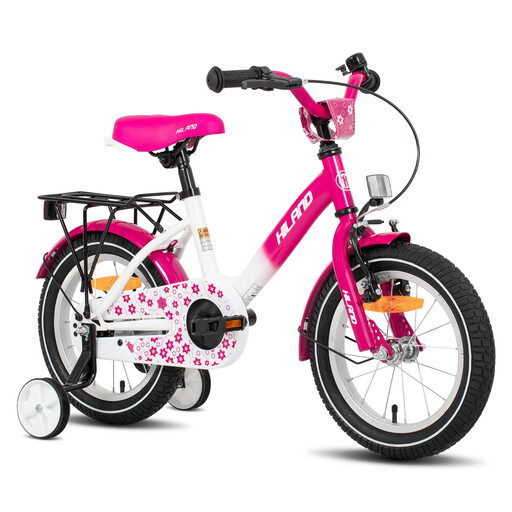
Why it suits this profile: The single speed and included stabilisers keep things simple for a beginner cyclist around 80–105 cm tall.
The recommended height, adjustable saddle position and 12-inch tyres make it easier to check the fit before buying.
Steel frame, front V-brake, rear coaster brake, chain guard and delivery approximately 90% pre-assembled.
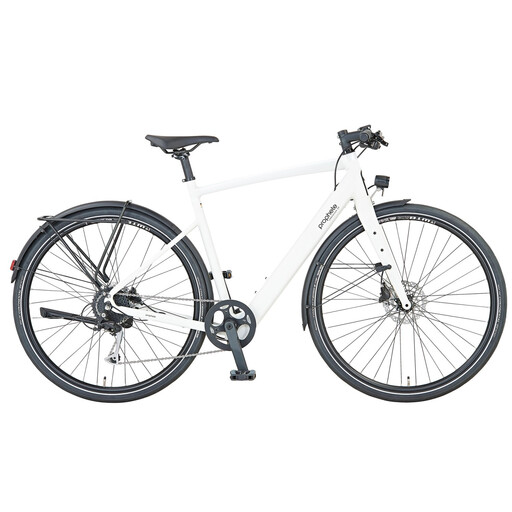
Why it suits this profile: This 28-inch bike combines 9-speed Shimano gearing, an integrated battery and hydraulic disc brakes for everyday use around town.
The battery capacity, motor power and brake specifications are clearly stated, so you don’t have to rely as much on vague marketing claims.
250 W rear hub motor, 40 Nm torque, 360 Wh battery, LCD display and Continental 28-inch tyres.
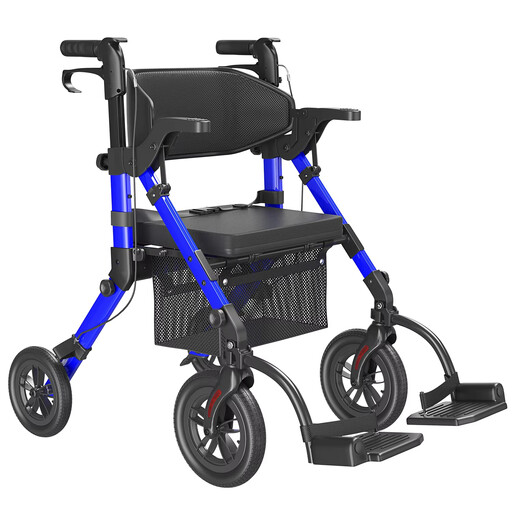
Why it suits this profile: This folding model has 10-inch front wheels and 8-inch rear wheels, and is designed for use indoors and outdoors.
The maximum weight capacity of 136 kg and folded dimensions can be checked in advance, helping you choose an option that suits both the user and available storage space.
Folding design, stated weight capacity of 136 kg and a packaged weight of 10,4 kg.
We’ve put together a complete, up-to-date list of products that meet these strict selection criteria and the applicable European safety regulations.
Measure your child’s height and check the size chart for the specific model. Also check the lowest saddle position, the distance to the handlebars and how easy the brakes are to operate. Age is only a guide.
As well as the purchase price, your main costs will be electricity, maintenance and parts such as tyres, brake pads and, in the longer term, a replacement battery. The cost of each charge depends on the battery capacity and your local electricity tariff. Charge the battery according to the instructions and store it somewhere dry at a suitable temperature.
Its lifespan depends on the load, surface, storage and maintenance. Regularly check the brakes, wheels, connections and folding mechanism. Use the mobility aid only within its stated weight capacity and follow the manufacturer’s instructions.
