
Vandaag of morgen in huis

Kwaliteit gegarandeerd

Welkomstaanbiedingen ontgrendelen: GRATIS bezorging | Tot 80% korting | Gratis 30 dagen JoyPlus-proefperiode
Download de app
Buying a bike seems simple, until you have to choose between a city bike, electric bike, mountain bike, folding bike or electric fat bike. Marketing copy often focuses on speed, range or “all-terrain” use. But those terms don’t always tell you whether a bike is practical for Dutch roads and cycle paths.
The most common buying mistakes come down to three pitfalls:
So first decide what you need the bike for. A bike for commuting has different requirements from an off-road bike for private land or a teenager’s bike for daily school journeys.
Wheel size is not the same as frame size. For example, a 20-inch wheel is practical for a folding bike, while a mountain bike often has 27.5-inch wheels. For children and teenagers, the size should be based first and foremost on their height and whether they can get on and off safely.
When comparing bikes, check:
A child’s bike doesn’t automatically become suitable just because the saddle can be lowered. The rider must be able to reach the brake levers and stay in control when riding slowly.
A high number of gears may sound appealing, but the range and ease of use matter more than the number alone. A 6- or 7-speed system may be enough for flat city rides. For hilly terrain or mountain biking, more gears are useful for adapting to climbs and descents.
Also check the type of brakes:
A bike with disc brakes isn’t automatically suitable for steep descents. Frame design, tyres, suspension and usage restrictions all matter.
Suspension can make bumps more comfortable, but it adds weight and requires maintenance. A suspension fork isn’t always necessary for tarmac and cycle paths. Wider tyres and front suspension can be useful on gravel and woodland trails.
For an electric bike, these specifications also matter:
According to the manufacturer, the Mangosteen FT03 has a range of up to 75 km. The actual distance may vary depending on rider weight, temperature, terrain, tyre pressure and riding style. If you’re considering an electric fat bike, always check that the model meets Dutch requirements for use on public roads. A vehicle with a throttle, higher levels of assistance or a different vehicle classification may be subject to different rules.
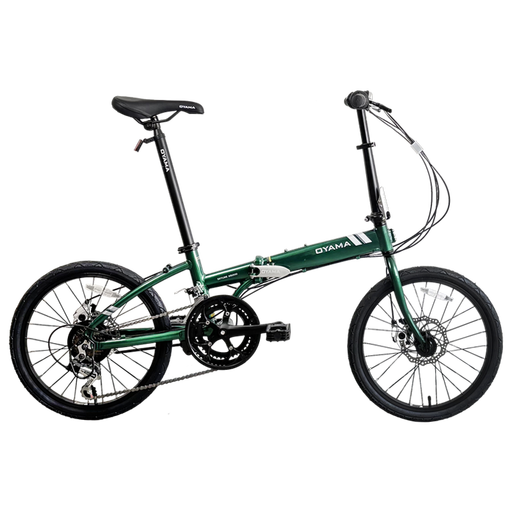
Why it suits this type of rider: This 20-inch folding bike is designed for city rides, short distances and people with limited storage space. According to the product information, it weighs 13.5 kg and arrives 85% assembled.
The product information gives specific dimensions and weight, a maximum load of 100 kg and a 6-speed system. Before buying, check that its folded dimensions will fit in your cupboard, car or workplace.
20-inch folding design, aluminium frame, 6 gears and reflective elements for improved visibility.

Why it suits this type of rider: This model combines an aluminium frame with 27.5-inch tyres, front suspension and hydraulic disc brakes. It’s suited to recreational trail rides and everyday use on varied terrain.
The specifications make it clear that this bike has front suspension, not full suspension. That helps avoid unrealistic expectations for demanding downhill rides or jumps.
Aluminium frame, 27.5-inch tyres, front suspension and hydraulic disc brakes. Choose from a 17- or 19-inch frame; compare this with your height.
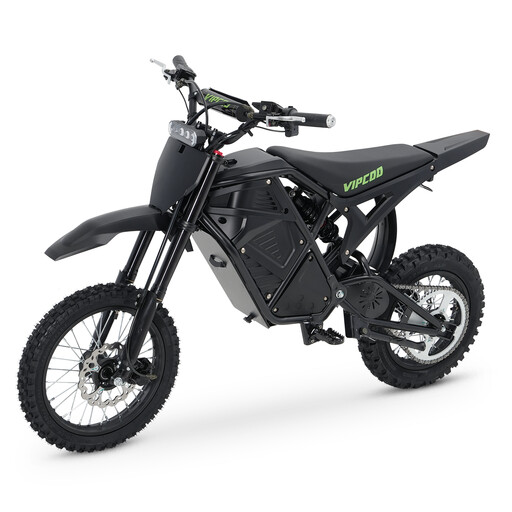
Why it suits this type of rider: This electric dirt bike is designed for private land, off-road tracks and enclosed areas. The product description lists a 48 V 23 Ah battery, full suspension and hydraulic disc brakes.
The product information explicitly states that this vehicle is not approved for public roads. Don’t use it on cycle paths, roads or pavements, and check local rules for off-road sites.
3500 W motor according to the product information, removable battery, hydraulic disc brakes and front and rear suspension. Protective clothing and a helmet are strongly recommended.
We’ve put together a complete, up-to-date list of products that meet these strict selection criteria and the applicable European safety regulations.
For a daily commute, a city bike, folding bike or electric bike is a sensible option. Look for a comfortable riding position, mudguards, lights, reliable brakes and space for a lock or bag. If you travel by train or bus, a folding bike may be more practical than a full-size city bike.
A bike’s lifespan depends on its materials, load, maintenance and storage. Clean it regularly, keep the chain lubricated and check the brake pads, tyres, bolts and gears. With an electric bike, the battery needs particular attention: follow the charging and storage instructions, and use the charger supplied.
As well as the purchase price, you may need to pay for electricity, maintenance, tyres, brake parts and, in the longer term, a replacement battery. So don’t compare only motor power or range: check the availability of spare parts, warranty terms and how the battery can be removed and charged.
