
Vandaag of morgen in huis

Kwaliteit gegarandeerd

Welkomstaanbiedingen ontgrendelen: GRATIS bezorging | Tot 80% korting | Gratis 30 dagen JoyPlus-proefperiode
Download de app
Buying Belgian speciality beer might seem straightforward, but the range varies widely in flavour, alcohol content, packaging and serving temperature. A blonde abbey beer at 6.7% ABV drinks very differently from a tripel at 9% or a strong blonde beer at 8.5%. Terms like “traditional”, “rich” and “authentic” don’t always tell you enough about what’s actually inside the bottle.
If you choose based on brand or packaging alone, you could end up with a beer pack that doesn’t suit your dinner, your drinks evening or the person you’re buying for. That’s why it pays to focus on verifiable details: beer style, alcohol percentage, volume per bottle, ingredients and allergens.
Words like full, powerful and rich are subjective. Instead, look at the style and specific tasting notes. A blonde beer can be fresh and fruity, while a tripel often has more alcohol, spice and a fuller finish. With brown beer, roasted malt, caramel and sweeter notes usually play a bigger role.
Belgian speciality beers often contain more alcohol than lager. Affligem Blond, for example, is listed at 6.7% ABV, Leffe Bruin at around 6.5% and La Trappe Tripel at 8.0%. According to the product information, Delirium Tremens contains 8.5% alcohol. This affects not only the flavour but also how many bottles make sense for an evening.
Also check whether a product comes in a 300 ml bottle, 330 ml or another size. A beer pack with six 300 ml bottles gives you a different total volume than four 330 ml bottles.
A single brand can offer several styles. Leffe beer, for instance, is available as a brown beer and as a tripel. Affligem offers blonde, dubbel and tripel among others. So always check the full product name, the number of bottles and the volume per bottle before you order.
Use the style as your first filter:
The product description for Affligem Blond mentions a soft fruitiness and mild bitterness at 6.7% ABV. Affligem Dubbel lists gentle caramel notes, spice and 6.7% ABV. Leffe Bruin is described with sweet, fruity and slightly nutty notes at around 6.5% ABV.
A higher alcohol percentage can go hand in hand with a stronger flavour, but that’s no guarantee of preference. Delirium Tremens 4x33cl is listed as a strong blonde beer with 8.5% alcohol and a recommended serving temperature of 3–6 °C. Hertog Jan Karakter contains 7.5% alcohol and, according to the product information, is served at 6–8 °C.
A tripel like Hertog Jan Tripel has 8.5% ABV, while Affligem Tripel lists 9% ABV. La Trappe Tripel sits at 8.0% ABV. These differences are practically relevant when you’re looking for a beer for quiet tasting, a dinner or a celebration.
Check whether you’re buying beer bottles of 300 ml or 330 ml. Smaller bottles are handy when you’re serving several styles side by side. A multipack of six bottles is practical for a drinks evening or as a gift.
Most of the products mentioned contain barley and gluten. Reading the label remains important, because ingredients vary by variant. If you’re unsure about allergens, the information on the packaging is definitive. Also check the best-before date and store speciality beer in a cool place, out of direct sunlight and away from large temperature fluctuations.
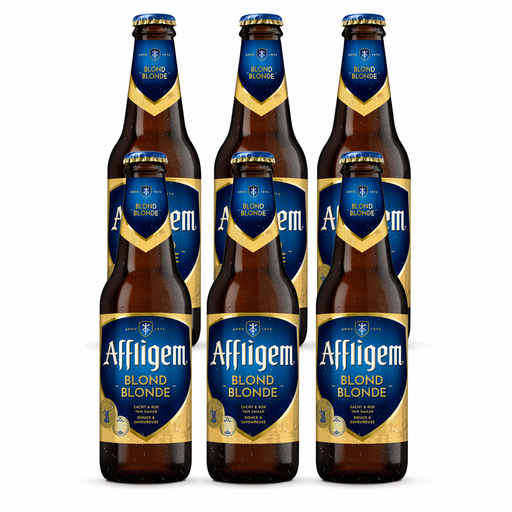
Why this fits the profile: A straightforward multipack with six 300 ml bottles. According to the product information, this blonde abbey beer has 6.7% alcohol, a soft fruitiness and a mild bitterness.
The style, volume and alcohol percentage are clearly stated. That means you don’t have to rely solely on general marketing terms.
6 x 300 ml, blonde beer, 6.7% alcohol and a soft fruity flavour profile.
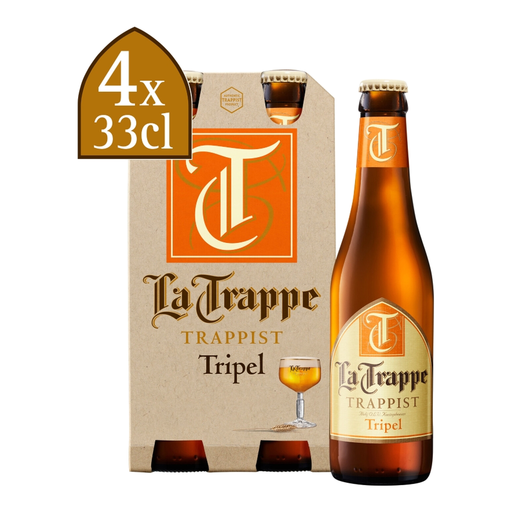
Why this fits the profile: A compact pack for a dinner, tasting or gift. The product page lists four 330 ml bottles and 8.0% alcohol.
The pack contains four bottles, so you don’t automatically buy a large multipack when you want to serve selectively.
Tripel style, 8.0% alcohol and 4 x 330 ml in one pack.
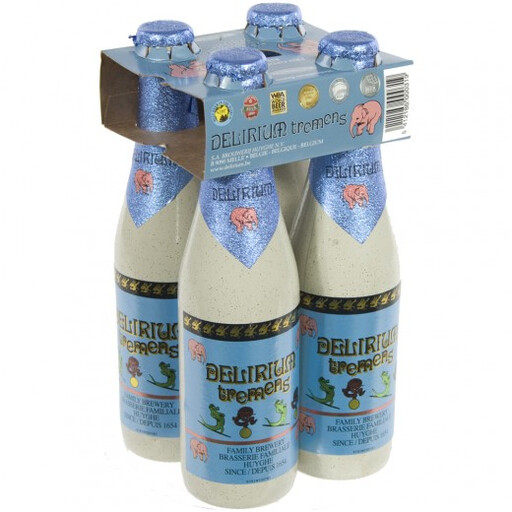
Why this fits the profile: Ideal for lovers of a strong blonde beer with fruity aromas. The product information lists 4 bottles of 330 ml, 8.5% alcohol and a serving temperature of 3–6 °C.
The relatively high alcohol percentage is clearly stated. That helps shoppers who are deliberately looking for a strong speciality beer rather than a standard blonde beer.
Strong blonde beer, 8.5% alcohol, 4 x 330 ml and a described fruity aroma.
For a darker flavour profile, you could look at Leffe Bruin or Affligem Dubbel. Leffe Bruin is linked in the product information to caramel, brown sugar and light nutty notes. If you prefer a drier, more hop-forward style, compare Duvel beer. The product description mentions a fruity character, a dry aroma and a subtle bitterness.
Hertog Jan Karakter is a Dutch option with a reddish-copper appearance, caramel and apricot notes and 7.5% alcohol. For a stronger blonde profile, Hertog Jan Tripel is listed at 8.5% ABV. If you’re after a lower alcohol percentage and a fresher profile, consider Affligem Belgian Wit at 4.8% ABV. Jupiler at 5.2% is a lager and therefore falls into a different category from most Belgian abbey beers.
We’ve put together a full, up-to-date list of products that fully meet these strict selection criteria and comply with current European safety regulations.
Look at the combination of dish and flavour intensity. Blonde beer often works with lighter dishes, while brown beer can pair well with stews, game or desserts. A tripel can be served with strong cheeses or savoury dishes. Always check the alcohol percentage when serving multiple courses.
Store bottles in a cool place, out of direct sunlight and away from heat sources. Avoid large temperature fluctuations. Before use, check the seal and refer to the best-before information on the packaging. Serve the beer at the temperature stated on the product information or label.
It can be, especially if you know the recipient’s preferences. Choose a pack with a clear volume, a suitable style and a stated alcohol percentage. For a varied gift, compare blonde, brown and tripel options. Also check for allergens and only choose alcoholic products for adults aged 18 and over. Please drink responsibly and do not drive after consuming alcohol.
