
Vandaag of morgen in huis

Kwaliteit gegarandeerd

Welkomstaanbiedingen ontgrendelen: GRATIS bezorging | Tot 80% korting | Gratis 30 dagen JoyPlus-proefperiode
Download de app
Buying Belgian beer seems straightforward, until you have to choose between blonde beer, brown beer, tripel, witbier and alcohol-free Belgian beer. Terms such as “abbey beer”, “traditional” and “speciality beer” can also create an impression that doesn’t always tell you enough about what’s in the bottle.
The main pitfalls usually come down to three things:
A Belgian abbey beer is often richer and maltier than a light lager. There are clear differences within this category:
The alcohol content affects not only the intensity, but also which bottle is right for the occasion. A strong beer could go well with a hearty meal, while a witbier or 0.0 beer may be a better match for a light lunch.
Check for allergens too. Many Belgian beers contain barley malt, barley, wheat or gluten. Leffe Blond 0.0, for example, lists barley and barley malt. Always check the current packaging, as recipes, nutritional information and labelling can change.
A Belgian beer gift pack can be handy for a dinner party or as a present, but compare the following first:
Store beer in a cool place, out of direct sunlight and away from significant temperature changes. Follow the information on the label. Don’t open a bottle if its cap or seal is damaged.
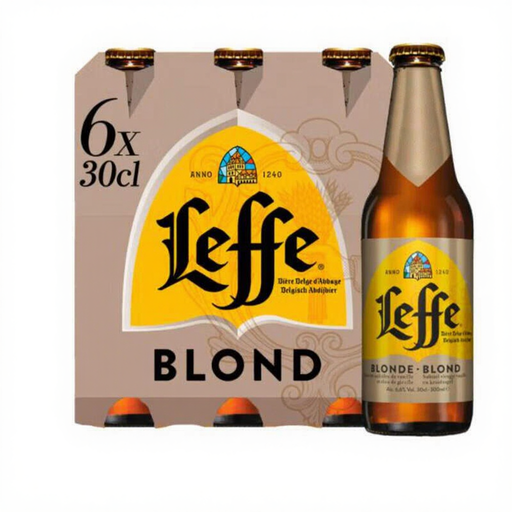
Why it suits this profile: A six-pack of 300 ml bottles is practical for home and makes it easy to compare the price per bottle and per litre. The product information describes a blonde abbey beer with 6,6% alcohol and a touch of bitterness.
The alcohol content and volume are clearly shown with the product, so you don’t have to rely on its colour or marketing name alone.
Six 300 ml bottles, blonde abbey beer and a clearly stated alcohol content of 6,6%.
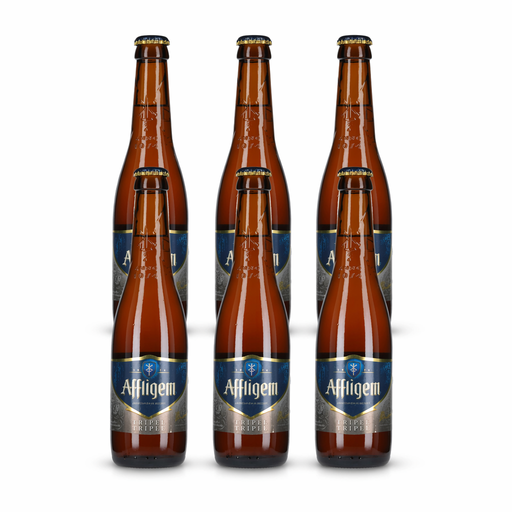
Why it suits this profile: This Belgian speciality beer is a good choice if you’re looking for something fuller-bodied and stronger. The product details describe a tripel-style beer with fruity and spicy notes and 9% alcohol.
Its strength is clearly stated, so you can see straight away that this isn’t a light table beer and choose a bottle to suit your meal.
Six 300 ml bottles, 9% alcohol and a flavour profile featuring fruit, spices and hoppy bitterness.
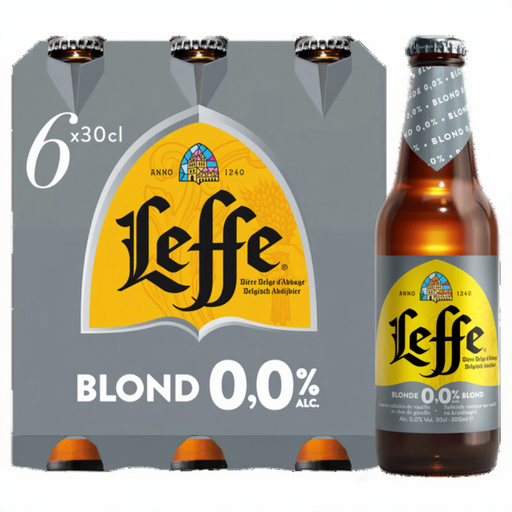
Why it suits this profile: A 0.0 option is ideal when you don’t want to drink alcohol, for example at lunch or if you need to drive later. The product information describes a fruity flavour with a bitter note.
The alcohol content is listed as 0%. Even so, check the label and allergen information when it arrives.
Six 300 ml bottles, 0.0% alcohol and a flavour profile with fruity and lightly bitter notes.
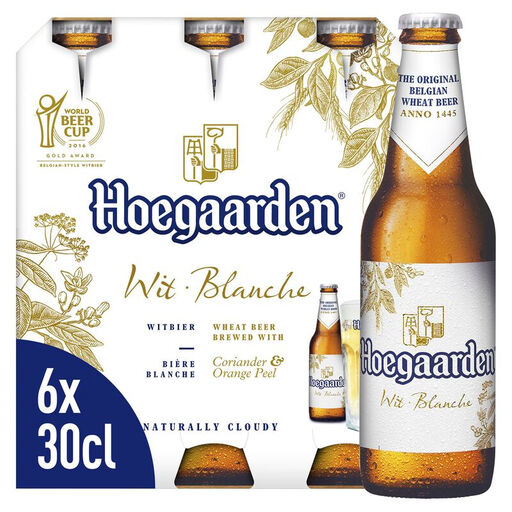
Why it suits this profile: According to the product information, this witbier contains wheat, coriander and dried orange peel, among other ingredients. It’s a good choice if you’re after a lighter, refreshing beer with a hint of spice.
The style, alcohol content and main ingredients are listed, so you don’t have to choose based on the name “white” alone.
Six 300 ml bottles, 4,9% alcohol and a witbier flavour profile with lemon and coriander.
We’ve put together a complete, up-to-date list of products that meet these strict selection criteria and the applicable European safety regulations.
Start with a beer that has a moderate alcohol content and a familiar flavour profile. Witbier at around 4,9% can taste fresher, while blonde abbey beer at around 6,6% offers more maltiness and body. Choose a small pack if you’d like to try a few different styles first.
Abbey beer mainly refers to a beer style or traditional positioning, while tripel is a specific style that is often stronger and fuller-bodied. Always check the alcohol content and ingredients; the name alone won’t tell you how strong the beer tastes.
It depends on the product. The Leffe varieties mentioned here are listed as 0.0%. Always check the label when buying and when your order arrives, especially if you want to avoid alcohol completely. Also look out for allergens such as barley and gluten.
