
Vandaag of morgen in huis

Kwaliteit gegarandeerd

Welkomstaanbiedingen ontgrendelen: GRATIS bezorging | Tot 80% korting | Gratis 30 dagen JoyPlus-proefperiode
Download de app
Buying beer and premixed drinks online gives you access to international beers, fruit beers, cider, radler and ready-to-drink cocktails that you may not always find in the supermarket. At the same time, comparing products on screen is less straightforward than comparing them on a shop shelf. Eye-catching packaging says little about what is inside, a larger bottle is not always better value and a flavour name can hide how much sugar or alcohol a drink contains.
These points will help you choose the right products for home, a dinner party, barbecue or celebration.
A 700 ml bottle or a box containing lots of beer bottles may appear attractively priced. Always check the volume per pack and work out the price per litre or per serving. A crate containing 24 cans of 330 ml is also a different purchase from a beer selection containing several speciality beers.
Also consider the difference between beer cans and beer bottles. Cans are often practical for larger groups and take up less space. Glass bottles are better suited to a dinner or tasting, but they are heavier and more vulnerable to damage during delivery and storage.
Radler, cider and fruit beers often taste sweeter or fresher than lager. That does not automatically mean they contain little alcohol. For example, Amstel Radler Fruity Cider 2.0% lists an alcohol content of 2.0%, while Lindemans Kriek Fruity Cider contains 3.5%. A premixed drink such as Smirnoff Ice Original Crisp Citrus contains 4% alcohol, while Malibu Pear lists 5.0%.
So always check the alcohol content on the product page or packaging. Descriptions and nutritional information may vary for international products. For definitive information, always refer to the label on the product supplied.
Words such as “refreshing”, “authentic” or “smooth” describe an expected drinking experience, but they are not objective measures of quality. According to information provided by the brands themselves, certain beers may pair well with Asian dishes or grilled meat, for example. That is a serving suggestion, not a guarantee that every taste preference will be met.
Start by checking verifiable information:
The alcohol percentage indicates how much alcohol the drink contains, but the total amount of alcohol also depends on the volume. A 500 ml bottle containing 5% alcohol contains a different amount of alcohol from a 250 ml can with the same percentage.
For a mixed order, you could combine lighter options with regular lagers and stronger speciality beers. Trio Extra Stout lists 7.2% alcohol and Guinness Beer lists 7.5% alcohol. These products are better suited to relaxed tasting than unlimited pouring during a long evening.
Many beers contain barley malt and therefore fall under cereals containing gluten. Kirin Ichiban, Singha and Asahi Super Dry list barley or barley malt as an ingredient. According to the product information, Lindemans Kriek contains barley malt and wheat, among other ingredients.
Check the label if you need to avoid allergens. A product description may be incomplete or may be updated later. For premixed drinks, it is also useful to check the sugar, sweeteners, fruit juice and flavourings. Smirnoff Ice, for example, states that the product contains sweeteners.
Store beer bottles and cans in a cool, dry place away from direct sunlight. Temperature fluctuations can affect quality. When your order arrives, check that the seal or can is undamaged. The best-before date and full storage information are shown on the packaging.
Multipacks are practical for parties, while individual bottles are better suited to comparing different international beers. A 330 ml bottle is suitable for a single serving; larger packs are more convenient when several guests want the same drink.
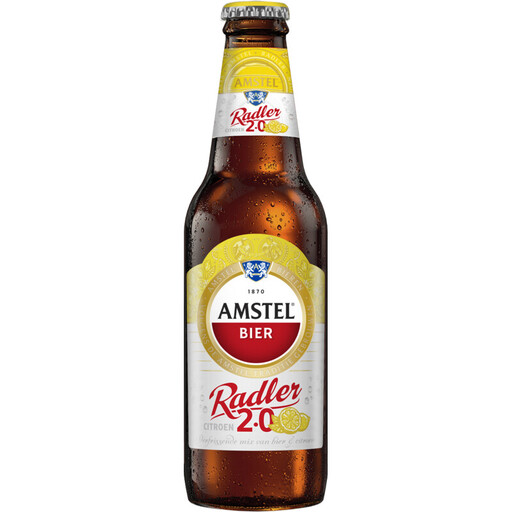
Why it suits this profile: The 300 ml bottle and stated alcohol content of 2.0% make this an approachable choice for anyone wanting to try fruity drinks without immediately buying a large pack.
The volume and alcohol content are clearly stated in the product name, making it less likely that you will choose a larger format or stronger drink than intended.
300 ml per bottle; 2.0% alcohol; fruity beer mix containing, among other ingredients, lemon, orange and lime juice according to the ingredients list.
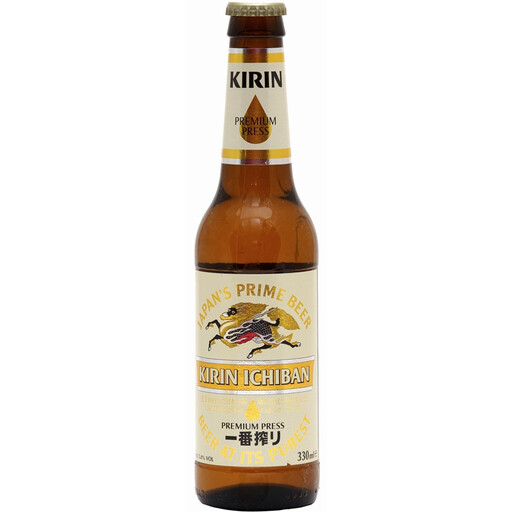
Why it suits this profile: This Japanese beer has a straightforward ingredient list of water, barley malt, yeast and hops. The 330 ml bottle is well suited to relaxed serving with a meal.
The relevant product details are clearly stated: 330 ml, 5.0% alcohol and barley as an allergen. This makes comparing products easier than relying on flavour descriptions.
Japanese origin according to the product information; 330 ml bottle; ingredients list containing water, barley malt, yeast and hops.
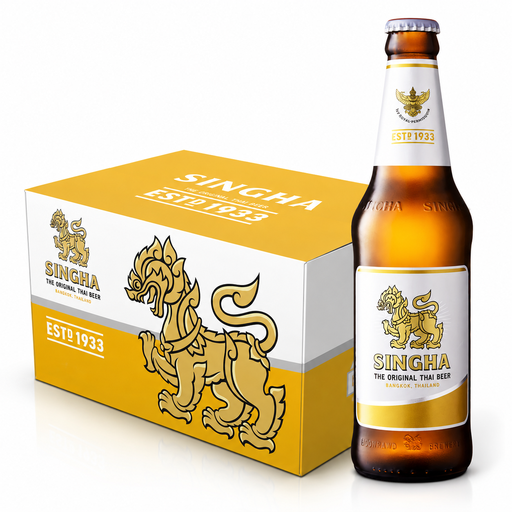
Why it suits this profile: The box of 24 bottles of 330 ml is practical for a barbecue, party or dinner with several guests. According to the product description, this beer is often served with Asian dishes and grilled food.
The packaging states both the number of bottles and the volume per bottle. This means you can accurately estimate the total quantity in advance.
24 bottles of 330 ml; 5.0% alcohol according to the product information; water, barley malt, hops and yeast listed as ingredients.
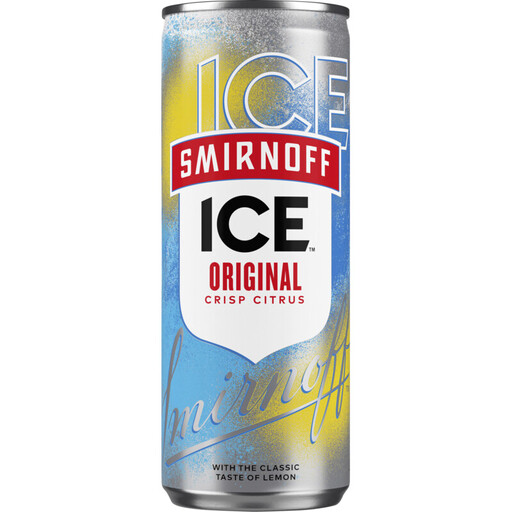
Why it suits this profile: The 250 ml serving is ready to serve straight away. According to the product information, this is a spirit-based premix with citrus flavours and 4% alcohol.
The volume and alcohol content are visible in advance. However, always check the ingredients, as the product information states that it contains sweeteners.
250 ml per can; 4% alcohol; ready-to-drink citrus premix with no preparation or extra mixer required.
We have put together a complete, up-to-date list of products that fully meet these strict selection criteria and the applicable European safety regulations.
Yes, online alcohol orders are intended for consumers aged 18 and over. You may be asked to verify your age upon delivery. Do not drink alcohol if you still need to drive, and follow the information on the label.
Compare the total volume, the number of bottles or cans and the price per litre. A beer selection containing different styles is ideal for exploring; a multipack from one brand is usually easier to plan for a party.
Always check the best-before date on the packaging. Store unopened products in a cool, dry place away from direct sunlight. Once opened, follow the instructions on the label; some drinks need to be refrigerated and consumed shortly afterwards.
