
Vandaag of morgen in huis

Kwaliteit gegarandeerd

Welkomstaanbiedingen ontgrendelen: GRATIS bezorging | Tot 80% korting | Gratis 30 dagen JoyPlus-proefperiode
Download de app
Buying beer online may seem straightforward, but the range varies widely in flavour, alcohol content, packaging and origin. A large box isn’t automatically better value if you haven’t tried the beer before. An eye-catching label can also create expectations that don’t quite match the product information.
Use this practical guide to compare verifiable details such as ingredients, volume, alcohol content and storage instructions. That way, you can compare pilsner, speciality beer and alcohol-free options without relying solely on marketing copy.
A pack of 24 is handy for a party, barbecue or keeping in the cupboard. However, a large 24-pack may not be the best choice if you want to find out whether you like the beer first. Consider smaller packs or compare a single bottle with a multipack from the same brand.
A higher alcohol content doesn’t automatically mean the flavour will suit you. A pilsner at around 4.5 to 5.6% is often lighter and easier to pair with food. A tripel or stout at 7.5 to 8.5% can be noticeably fuller and more powerful. Always check the alcohol content of each product, especially if you’re buying several types for one occasion.
If you want to buy speciality beer, it’s worth checking the style and origin. Polish, Japanese and Korean beers each have their own styles, but the product description is what matters. A beer from Belgium isn’t necessarily a fruit beer either, so check whether fruit, cherries or other flavourings are actually listed in the ingredients or description.
Check the alcohol content before you order. A lower-alcohol beer may be more practical for a long evening or a meal. For a relaxed tasting, a tripel, stout or fruit beer may be better suited to a smaller serving. Drink responsibly and remember the legal age limit of 18.
If you don’t want to drink alcohol, alcohol-free beer is a natural choice. Check the exact percentage, though: a product at 0.0% and a low-alcohol product aren’t the same. Lech Free is listed as 0.0% in the product information. Always check the label and current packaging before buying.
Don’t just compare the total price. Work out the price based on the total volume:
A 24-pack of beer can be good value for a gathering, while individual bottles or a six-pack may be a better fit if you want to try different flavours. Also check whether the beer comes in cans, bottles or a combination. This affects how much storage space you’ll need and how convenient it is to use.
Most of the beers listed contain barley malt and therefore gluten. Tyskie, for example, lists water, barley malt and hops as ingredients, and contains cereals with gluten. Kirin Ichiban also lists barley malt and rice, while Guinness contains roasted barley.
Store beer as directed in the product information: in a cool place, out of direct sunlight and away from significant temperature changes. Check the use-by information on the packaging. If the seal or packaging is damaged, it’s best not to use the product.
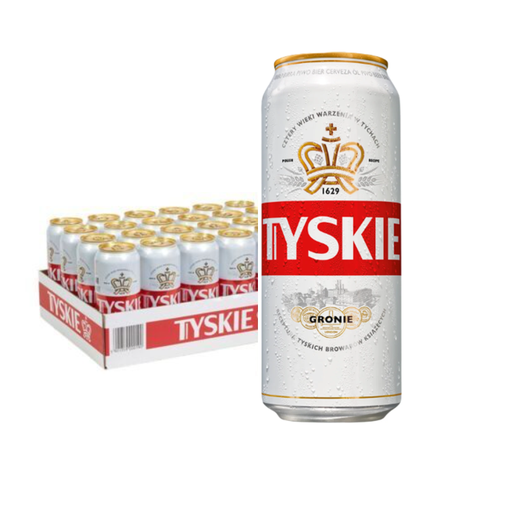
Why it suits this profile: The box contains 24 packs of 50 cl, making it a good choice for parties, visitors or keeping a regular supply at home. According to the product information, this Polish beer has an alcohol content of 5.6% and a light character with notes of hops, caramel and fruit.
The volume and alcohol content are clearly stated, so you can plan your supply around the number of guests.
24 bottles of 50 cl; 5.6% alcohol; ingredient and allergen information available.
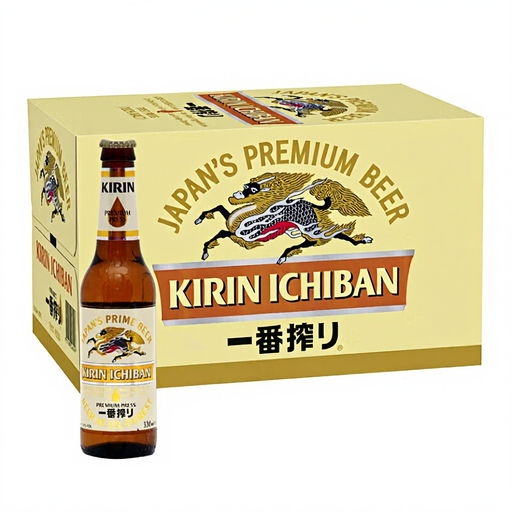
Why it suits this profile: This Japanese lager comes in 24 cans of 330 ml. According to the product description, it’s made using the Ichiban Shibori method and has an alcohol content of 5.0%.
The product details include the pack size, origin, ingredients and alcohol content, so you don’t have to rely on the term ‘international beer’ alone.
24 cans of 330 ml; 5.0% alcohol; according to the product information, it pairs well with a range of meals.
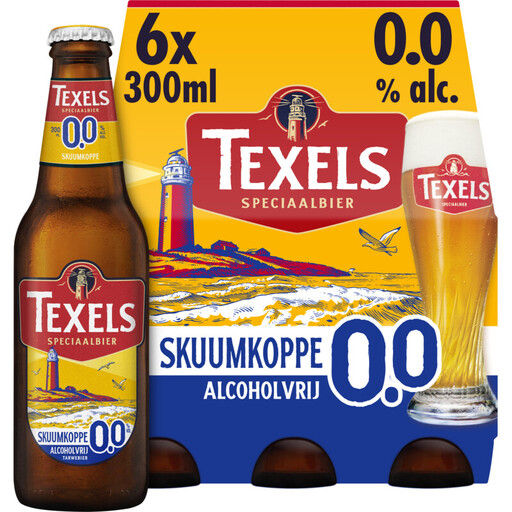
Why it suits this profile: This alcohol-free dark wheat beer is a good choice if you’re looking for the character of a speciality beer but don’t want to drink alcohol. According to the product information, it has notes of caramel and apricot.
The 0.0% alcohol content is stated in the product description, so you don’t have to guess from the name or packaging.
6 bottles of 300 ml; 0.0% alcohol according to the product details; contains barley and wheat malt.
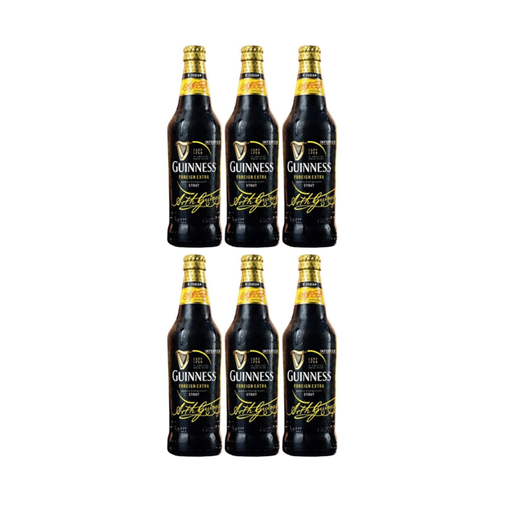
Why it suits this profile: According to the product description, this stout has notes of roasted malt, coffee and chocolate, and an alcohol content of 7.5%. The six-bottle pack is ideal for a relaxed tasting or serving with savoury dishes.
The higher alcohol content and bottle size are shown upfront, so you can plan portions and when to serve it.
6 bottles of 325 ml; 7.5% alcohol; stout with roasted barley according to the product information.
We’ve put together a complete, up-to-date list of products that meet these strict selection criteria and the applicable European safety requirements.
Start by thinking about the number of guests, the serving size you want and the type of beer. A box of 24 is practical for a large group. You could also combine a pilsner with a speciality beer, Belgian fruit beer or alcohol-free option, so guests have a choice.
Use the same criteria each time: volume per pack, price per litre, alcohol content, beer style, origin and ingredients. For example, don’t compare a 30 cl bottle directly with a 50 cl can without taking the volume into account.
Store beer in a cool place, out of direct sunlight. Follow the information on the packaging and avoid major temperature changes. Check the seal, label and use-by date before use. Age limits and responsible drinking apply to every order.
