
Vandaag of morgen in huis

Kwaliteit gegarandeerd

Welkomstaanbiedingen ontgrendelen: GRATIS bezorging | Tot 80% korting | Gratis 30 dagen JoyPlus-proefperiode
Download de app
Buying beer online is convenient when you want to compare local beers, craft beers or bottles from abroad. However, eye-catching packaging or a familiar place of origin doesn’t tell you everything about what you’ll receive. Small differences in volume, alcohol content and packaging can make a big difference, especially when buying a beer gift set, a 24-pack of beer or an order for a pub, restaurant or party.
The main pitfalls to watch out for are:
Alcohol content can influence how you choose to serve a beer. A lager of around 4.8 to 5% ABV often works well at a barbecue, dinner or get-together. A Belgian tripel beer may have an ABV of around 8% or higher, so it calls for more care when serving.
According to the product information, Hertog Jan Tripel has an alcohol content of 8.5%. Tripel Karmeliet lists 8.4%. Texels Tuunwal Tripel is also described as a blonde, unfiltered speciality beer with an alcohol content of 8.5%. Serve beers like these in smaller measures and drink responsibly.
If you don’t want to drink alcohol, you can choose alcohol-free beer. Check the difference between 0.0% and other descriptions. The product information for Heineken 0.0, Hertog Jan 0.0, Lowlander 0.0 and Kirin Free lists their alcohol content as 0.0%. Check the label again when your order arrives, especially if you’re ordering alcohol-free beer online for an event.
Compare not only the price per bottle, but also the price per litre. A 24-pack of beer containing 300, 320 or 330 ml bottles has a different total volume from a box of 24 500 ml bottles.
Also check:
For a party, a mix of pack sizes can sometimes be less practical than a uniform pack. For home use, a smaller pack may help prevent waste.
If you’re looking to buy speciality beer, it’s worth comparing the style and ingredients rather than focusing only on the country of origin. For example:
Saigon Special is listed as having an alcohol content of 4.9%, while Saigon Export Premium is listed at 4.8%. These are specific details that are easier to compare than general descriptions such as “full-bodied” or “refreshing”. According to the brands’ own product information, certain flavour and quality characteristics are attributed to their beers; treat this marketing copy as no more than that, rather than as an independent guarantee.
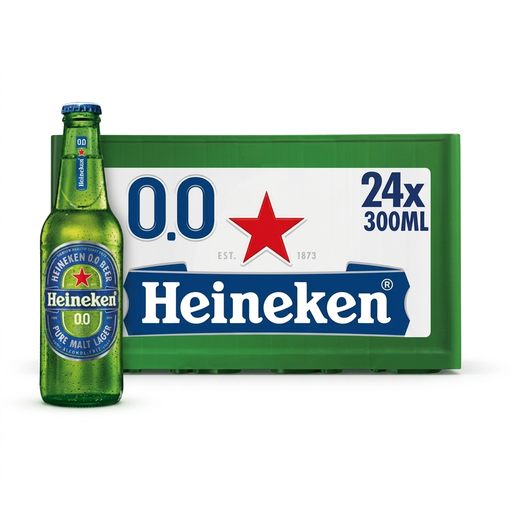
Why it suits this profile: The box contains 24 300 ml bottles, making them easy to share at a get-together, barbecue or meal. The product information lists 0.0% alcohol and a lightly bitter aftertaste.
The number of bottles and their size are clearly stated. This means you can work out the total volume in advance rather than looking only at the price of the box.
24 x 300 ml; 0.0% alcohol according to the product information; suitable as an alcohol-free alternative.
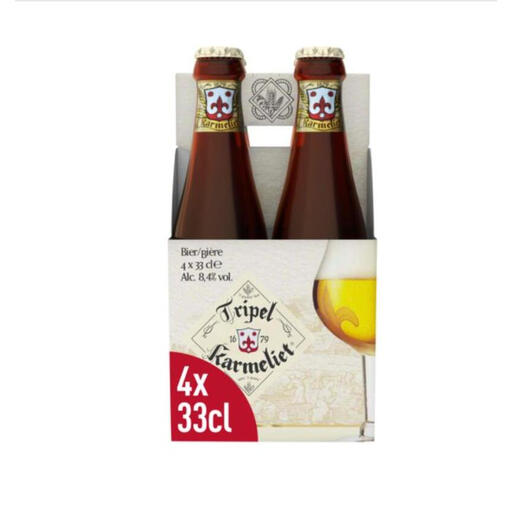
Why it suits this profile: This small pack is aimed at fans of stronger Belgian tripel beer. The product information lists 8.4% alcohol and ingredients including barley malt, wheat, oats, hops and spices.
The pack of 4 x 330 ml reduces the risk of buying too many bottles before you know whether the style suits your taste.
4 x 330 ml; 8.4% alcohol; clear allergen information for gluten, barley, wheat and oats.
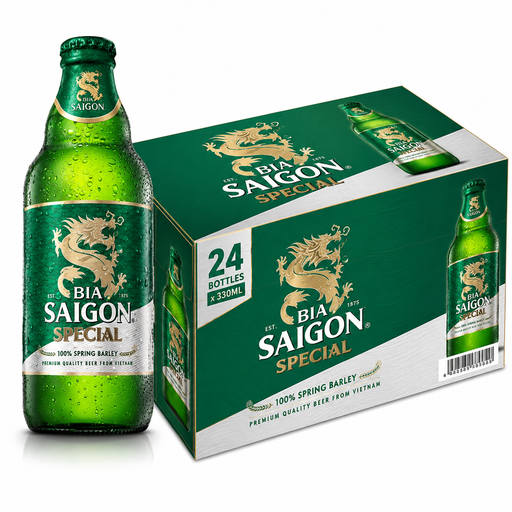
Why it suits this profile: The box of 24 330 ml bottles is practical for pubs, restaurants, large dinners and gatherings where you want a consistent serving size. The product information lists 4.9% alcohol and Vietnam as the country of origin.
The origin, volume, alcohol content and allergens are specified. This makes it easier to compare with other lagers from abroad.
24 x 330 ml; Vietnamese lager; 4.9% alcohol; barley and sulphites are listed as points to note.
We’ve put together a complete, up-to-date list of products that meet these strict selection criteria and the applicable European safety regulations.
Check the alcohol content, volume per bottle, ingredients and allergens. “Alcohol-free” doesn’t automatically mean a product is free from gluten, barley or sugar. Also check the total volume in the pack and the best-before information on the packaging.
That depends on the price per litre, delivery costs and any deposit. Work out the total volume: 24 330 ml bottles contain 7.92 litres, while 24 500 ml bottles contain 12 litres. So don’t compare only the price per pack.
Store beer somewhere cool and out of direct sunlight. Avoid large changes in temperature and follow the storage advice on the label. Chill bottles you plan to serve straight away. When your order arrives, check that the cap or seal isn’t damaged. Alcoholic drinks may only be ordered and consumed by those of legal age; please drink responsibly.
