
Vandaag of morgen in huis

Kwaliteit gegarandeerd

Welkomstaanbiedingen ontgrendelen: GRATIS bezorging | Tot 80% korting | Gratis 30 dagen JoyPlus-proefperiode
Download de app
Buying beer online is convenient, but the sheer variety can be overwhelming. From a familiar crate of pilsner for Friday after-work drinks to a complex craft beer to be savoured slowly. How can you be sure you're making the right choice and not wasting money on a bad purchase? Common pitfalls, such as misleading offers or trendy labels that don't live up to the taste, are always a risk. This guide will help you choose wisely, based on facts rather than marketing hype.
Before you fill your digital shopping cart, it's wise to consider a few common mistakes. By recognising them, you can avoid disappointment.
You don't need to be a beer sommelier to make a great choice. By focusing on a few key points, you'll quickly find what you're looking for.
The foundation of your choice is the type of beer. The three main groups each have their own characteristics:
The packaging is more than just a container. It affects both the taste and the ease of use.
The alcohol percentage, indicated as ABV (Alcohol By Volume), gives an idea of the beer's 'strength'. A standard pilsner has an ABV of around 5%. A Belgian Tripel can go up to 8-9% or more. A higher alcohol percentage often comes with a fuller, more complex flavour and a warmer mouthfeel. Keep this in mind, especially if you're looking for a more sessionable beer.
To help you get started, we've highlighted a few popular choices, tailored to different preferences.
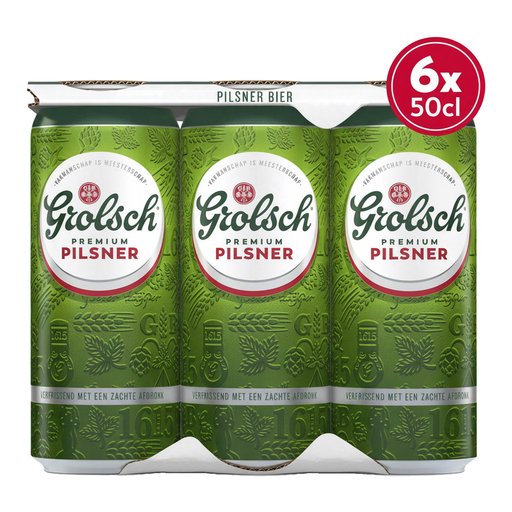
Why This Fits Their Persona: For those seeking a reliable Dutch pilsner with character. The 500ml cans are ideal for stocking the fridge for after-work drinks or a relaxing evening. No fuss, just a good pilsner.
You're choosing a premium brand with consistent quality and a clear price per litre. No surprises from a misleading deal.
A refreshing pilsner with a soft, bitter finish. Brewed with two types of hops for a distinctive taste.
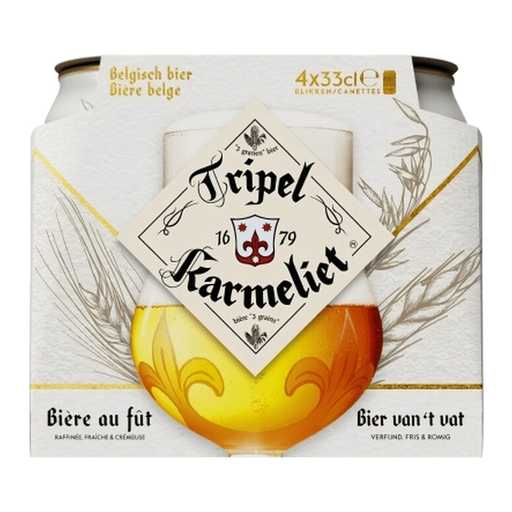
Why This Fits Their Persona: Perfect for those who love a complex and refined Belgian beer. Tripel Karmeliet is a world-renowned classic that offers a rich taste experience, ideal for a weekend tasting session.
Instead of gambling on an unknown craft beer with a flashy label, you're choosing a beer with a proven reputation and a unique flavour profile.
Brewed with three grains (barley, wheat, and oats), which creates a creamy mouthfeel. Complex flavour with notes of vanilla and citrus.
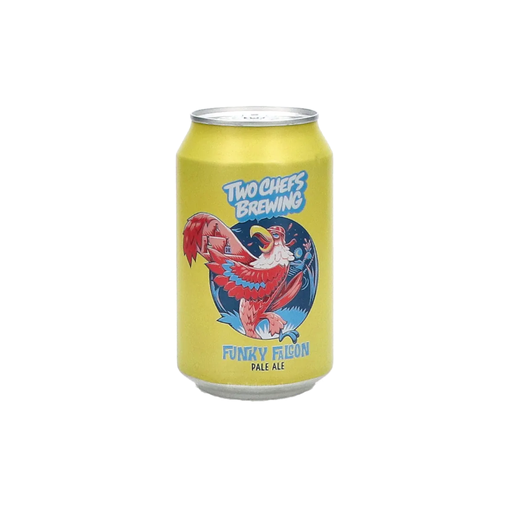
Why This Fits Their Persona: For those who want the craft beer experience without the alcohol. This low-alcohol (0.2%) pale ale is a modern and flavourful alternative to the standard non-alcoholic pilsner.
Many non-alcoholic beers can taste watery. The Funky Falcon is a pale ale brewed with barley and oats, which provides a fuller body and a more distinct flavour.
A refreshing and pleasant taste characteristic of a pale ale. Low in calories (26 kcal per 100 ml).
We've compiled a complete, up-to-date list of products that fully meet these strict selection criteria.
1. What is the difference between pilsner and lager? Pilsner is a specific style within the larger beer family called 'lager'. Therefore, all pilsners are lagers, but not all lagers are pilsners. Lager is the umbrella term for all bottom-fermented beers, which are brewed at low temperatures. Pilsner is the most famous variant, originating from the city of Pilsen in the Czech Republic.
2. What's the best way to store beer? For the best flavour, store beer upright in a cool, dark place. A cellar or refrigerator is ideal. Storing beer upright minimises its contact with oxygen and allows any sediment to settle at the bottom. Cans offer the best protection against light, one of the biggest enemies of beer flavour.
3. Is canned beer lower quality than bottled beer? No, that is a persistent myth. Modern beer cans have a thin inner lining that prevents contact between the beer and the metal. Therefore, there is no 'metallic taste'. In fact, a can protects the beer better from light and oxygen than a bottle, keeping the flavour fresher for longer. You can create the ultimate taste experience by pouring the beer, regardless of its packaging, into a clean glass.
