
当日/次日达

品质保障

开启新人专享福利: 全场免邮 | 低至 2 折 | 免费试用 30 天 JoyPlus 会员
下载 Joybuy
Buying beer online and restocking your supply without leaving the house is a lifesaver. But that convenience can turn into disappointment if the delivery isn't what you expected. A "good" beer deal that turns out to be more expensive after calculating the unit price, or a case full of an unknown craft beer that doesn't suit your taste at all.
Before you fill your digital shopping cart, it's helpful to know a few common pitfalls. This way, you can ensure your order is truly a reason to raise a glass.
To avoid these disappointments, it's smart to base your choice on a few objective characteristics. This gives you a better idea of what you're bringing into your home.
Most people ordering beer are looking for a familiar pilsner or a lager. These are the well-known, golden-yellow beers with a crisp and approachable taste. Brands like Jupiler and Hertog Jan are popular examples. They are predictable and therefore a safe bet for a casual drink or a party.
If you're more adventurous, you might look into craft beer. This is a broad category with a wide range of flavours. Think of an 'oud bruin' (old brown) with a somewhat sweeter taste or an IPA with a pronounced bitterness. Always read the product description carefully to get an idea of the flavour profile (sweet, bitter, fruity, spicy).
The alcohol by volume (ABV) is a determining factor for the taste and the occasion. A standard pilsner usually hovers around 5%. However, there is a growing selection of high-quality alcohol-free beer. Brands like Hertog Jan have invested heavily in brewing 0.0% variants that closely mimic the taste of real beer. Ideal for those who want the flavour but prefer to skip the alcohol.
The origin often says something about the style of the beer. Dutch beer has a rich tradition, with breweries that produce both classic pilsners and innovative craft beers. At the same time, it's fun to explore international flavours. Asian beer, such as a Thai or Japanese lager, is known for its light and 'crispy' character. These beers are often specifically developed to pair well with the spicy dishes of the region.
Based on clear product features and different preferences, we have highlighted a few choices.
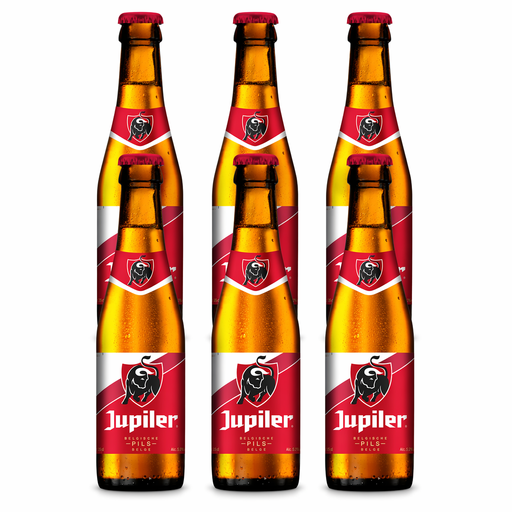
Why This Fits Their Persona: For those who just want a reliable and refreshing no-fuss pilsner. Perfect for Friday after-work drinks, a barbecue, or when you have friends over who appreciate an approachable beer.
You know exactly what you're getting: a consistent, bittersweet pilsner. No flavour surprises here. The clear packaging unit makes it easy to compare the price per bottle.
One of the most popular pilsners from Belgium, known for its consistent quality and crisp character with an alcohol content of 5.2%.
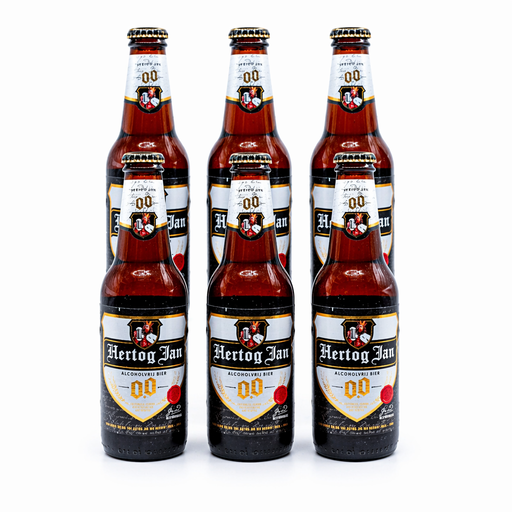
Why This Fits Their Persona: Ideal for those who appreciate the taste of beer but prefer to skip the alcohol at certain times. Suitable for lunch, when you still have to drive, or simply because you're consciously choosing an alcohol-free option.
This is clearly an alcohol-free beer, so there's no confusion. Choosing a 0.0 pilsner from a well-known brand like Hertog Jan is a safe step into the world of non-alcoholic beer.
According to the brewer, the alcohol is removed only in the final stage of the brewing process, which is said to preserve the characteristic pilsner flavour.
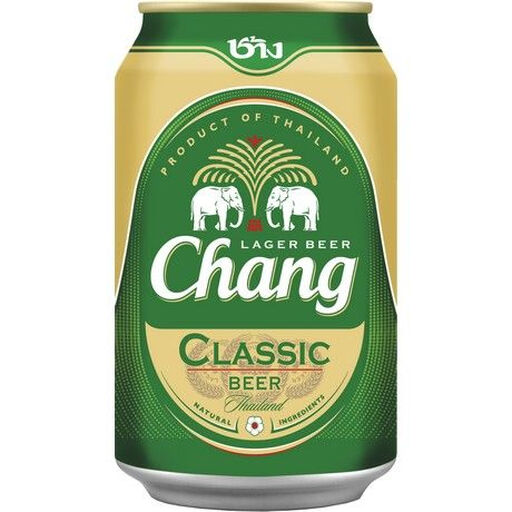
Why This Fits Their Persona: For the adventurer who loves trying new flavours, especially beers that pair well with a meal. This Asian beer is an excellent partner for Thai and other spicy dishes.
The description as a 'premium European lager' and its Thai origin provide a clear picture. You're not buying an unknown craft beer, but an internationally renowned lager.
A crisp, refreshing taste that works well alongside spicy food because it balances the flavours rather than overpowering them. Contains 5% alcohol.
We've compiled a complete and up-to-date overview of products that meet these selection criteria.
In practice, the terms are often used interchangeably. Both pilsner and lager are bottom-fermented beers, resulting in a crisp and refreshing taste. Technically, pilsner is a specific style of lager, originally from the city of Pilsen. For most drinkers, however, it means the same thing: an approachable, golden-coloured beer.
Store beer in a cool, dark place, such as a cellar or refrigerator. It's best to store bottles upright to minimise the beer's contact with the cap. Avoid direct sunlight and large temperature fluctuations, as this can negatively affect the taste and accelerate the ageing process.
Not necessarily. A beer deal might seem attractive, but pay close attention to the price per bottle or per litre. Also, factor in any shipping costs and the handling of bottle deposits. Sometimes a bulk package is more economical, but always compare the total costs before making a decision.
