
Same-day & Next-day Delivery

Quality Guaranteed

Unlock Your Welcome Offers: FREE Delivery | Up to 80% OFF | Free 30-day JoyPlus trial
Download the APP
Buying beer online gives you access to pilsner from Poland, speciality beer from Belgium, IPA from the Netherlands and craft beer from Japan and other countries. At the same time, it is easy to feel overwhelmed by the sheer choice online. An eye-catching label tells you little about the flavour, alcohol content or value for money. With the right checks, you can avoid ordering a box that is too strong, choosing the wrong beer style or paying more for a smaller quantity.
These tips will help when ordering beer for home, a barbecue, dinner, drinks with friends or as a gift.
A 6-pack of beer may contain six bottles of 25, 30, 33 or 50 cl. A beer crate containing 24 bottles does not always have the same total volume either. So do not just look at the number of cans or bottles; calculate the total quantity:
number of units × volume per unit = total volume
For example, a box of 24 bottles of 32 cl contains less beer than a box of 24 bottles of 50 cl. Also compare the price per litre if that information is available.
A pilsner beer is generally light and approachable, while a tripel beer usually has a higher alcohol content and a fuller flavour profile. An IPA beer can be distinctly bitter and hoppy. Blond beer ranges from fresh and soft to fruity and spicy.
Terms such as Belgian speciality beer, premium beer and craft beer are not a guarantee of a particular flavour either. Check the product description for the alcohol content, ingredients and details of the sweetness, bitterness and body.
Imported beer can be an interesting choice when you want to pair a particular beer style with a certain cuisine, but pay attention to the actual product information. A Japanese, Polish or Thai beer may be a lager, for example, while a product from Belgium could be an abbey beer, wheat beer or tripel.
Also note the difference between Trappist beer and abbey beer. The Trappist designation refers to a specific origin and certification context. A product description stating “Trappist-style” is not automatically certified Trappist beer. Affligem is described in the supplied product information as Belgian abbey beer and as Trappist-style; therefore, check the label and current product details before using that classification.
The alcohol content partly determines how well a beer suits your occasion. The range includes, for example, Lech Pils at 4.8%, Affligem Blond at 6.7%, Tripel Karmeliet at 8.4% and Affligem Tripel at 9%, according to the product information.
For a long evening or barbecue, a lower-alcohol beer may be more practical. For dinner or a relaxed tasting session, a stronger tripel could be a good choice. Drink responsibly, never drink if you still have to drive, and bear in mind the legal minimum age of 18.
Check:
A 6-pack of beer is handy for a small gathering. A box of 24 is more suitable if you use the beer regularly or are organising a larger event. For a gift, a four-bottle pack may be easier to present.
Most of the beers described contain malted barley and therefore gluten-containing cereals. Wheat beers may also contain wheat, coriander or orange peel. Always check the current label, particularly if you have an allergy or intolerance. The product information for La Trappe Isid’or and La Trappe Tripel does not list any of the 14 major EU allergens, while cereals are mentioned elsewhere in the description. When in doubt, use the packaging as the definitive source.
Store beer according to the instructions: somewhere cool and dark, without major temperature fluctuations. The exact minimum shelf life is stated on the product.
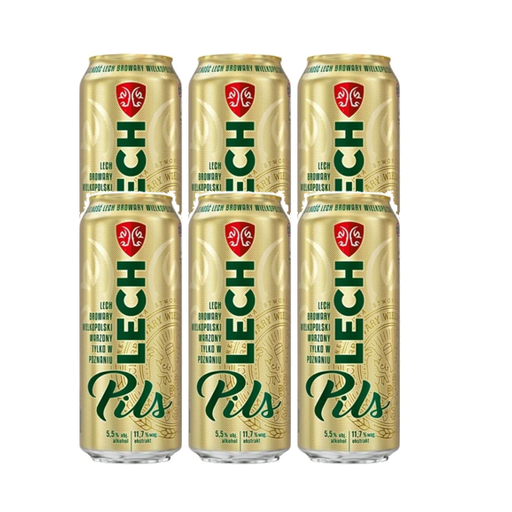
Why it suits this profile: The six 50 cl bottles provide a clear quantity per pack. According to the product description, this Polish pilsner contains 4.8% alcohol and has a medium body with mild bitterness.
The volume per bottle and alcohol content are clearly stated, making it easier to compare the pack with other pilsner products.
6 × 50 cl; 4.8% alcohol; ideal for anyone looking for an approachable Polish pilsner.
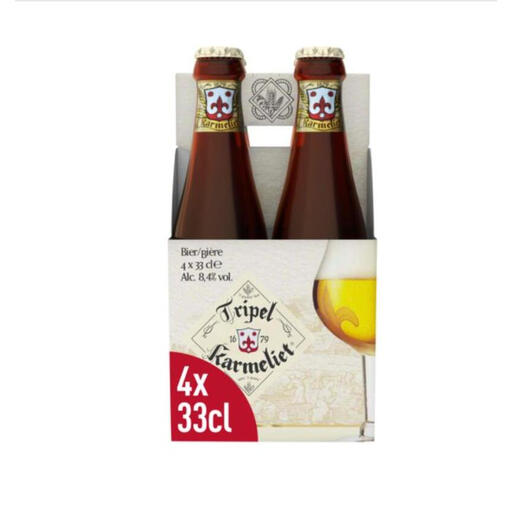
Why it suits this profile: This Belgian tripel comes as four 330 ml bottles. According to the product description, the beer contains 8.4% alcohol and ingredients including malted barley, wheat, oats, spices and hops.
The smaller pack means you do not immediately buy a large supply of strong beer. The alcohol content and allergens are visible in advance.
4 × 330 ml; 8.4% alcohol; Belgian tripel with several grain and spice ingredients.
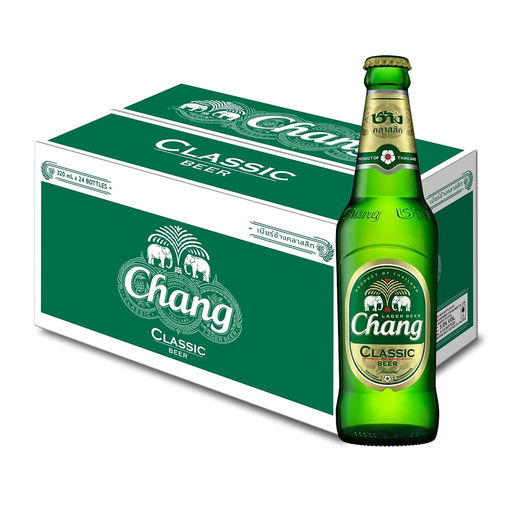
Why it suits this profile: A box of 24 bottles is practical for a larger group, a barbecue or a meal with Asian dishes. According to the product description, this Thai lager contains 5% alcohol.
The box states both the number of bottles and the volume per bottle. This makes the total quantity clearer in advance than with a beer pack that is described less precisely.
24 × 320 ml; 5% alcohol; lager style with, according to the description, a fresh flavour and light malt and hop notes.
We have put together a complete, up-to-date list of products that fully meet these strict selection criteria and the applicable European safety regulations.
According to the product description, a single IPA such as Brand India Pale Ale contains 7% alcohol and has a citrus-like profile with a bitter finish. For a tasting session, this may be a more targeted choice than a large crate of pilsner.
A 6-pack is ideal when you want to try a flavour first or are buying for a small group. A beer crate or box of 24 is more practical for a party or regular use, but check the total volume and shelf life.
Store bottles and cans somewhere cool and dark, away from direct sunlight. Avoid significant temperature fluctuations. Check the seal and always read the label for the minimum shelf life.
A blond beer, wheat beer or approachable pilsner can be a sensible starting point. IPA beer often contains more hops and bitterness, while a tripel tends to stand out through its higher alcohol content and fuller profile. Read the description and do not choose based solely on the brand name.
