
Vandaag of morgen in huis

Kwaliteit gegarandeerd

Welkomstaanbiedingen ontgrendelen: GRATIS bezorging | Tot 80% korting | Gratis 30 dagen JoyPlus-proefperiode
Download de app
Beans and pulses are a handy staple when you want to whip up a quick salad, soup, curry, wrap or stew. However, products vary widely in preparation time, packaging, salt content and storage method. A cheap pack can therefore turn out to be less practical than you expected, while a product with an appealing claim won’t automatically suit your eating habits.
Keep an eye out for these common pitfalls:
Choose your bean based on the dish. Chickpeas are great for hummus, curries and salads. Haricot beans and cannellini beans work well with pasta, soup and stews. Kidney beans and black beans are often used in wraps, chilli and Mexican-inspired dishes. A pack of mixed beans can be handy if you want different textures in one salad.
For a vegetable component, broad beans, green beans and garden peas are logical choices. Edamame is a cooked soya bean that can be used both as a snack and as an ingredient. When it comes to soya, always check the allergen declaration.
Dried pulses need soaking and cooking. Cooked beans and canned beans are quicker: just drain, rinse if needed, and add to your dish. With multipacks, check the size of each individual pack. Twelve tins are only good value if you can use them within the shelf life and have enough storage space.
For frozen products, temperature is key. Mooijer Edamame Cooked, for example, states that the product must stay frozen and should not be refrozen after thawing. With edamame in the pod, you’ll also need to heat it briefly according to the pack instructions.
Always compare per 100 grams. Based on the product information provided, Hak Kidney Beans contain 9 grams of protein, 6.6 grams of fibre and 0.2 grams of salt per 100 grams. Hak Mixed Beans lists 7.3 grams of protein, 6.9 grams of fibre and 0.20 grams of salt. That makes the labels broadly comparable, but the exact composition can vary from pack to pack.
Also check the ingredients list. A simple variety might contain beans, water and salt. A prepared version may include oil, sugar, tomato sauce or herbs. For products with health or nutrition claims: according to the brand’s product information, these properties are attributed to the product; always check the actual packaging before purchase. Only the information on the label is legally binding.
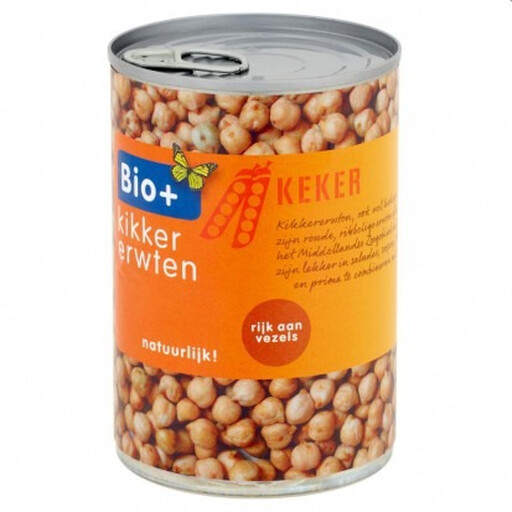
Why this fits the profile: A single pack is straightforward for anyone wanting to try different vegan ingredients without committing to a large multipack straight away.
The product information lists chickpeas and water as ingredients. Do check the allergen declaration on the packaging; the product information mentions possible presence of peanuts and nuts.
400 grams; according to the product description, suitable for salads, stews and hummus.
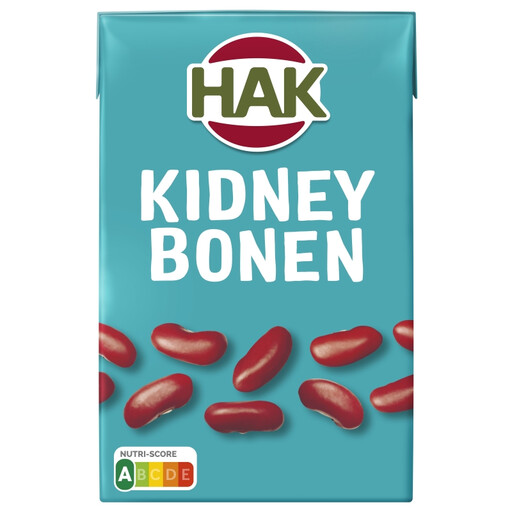
Why this fits the profile: The clear nutrition table and familiar size make this a practical choice for regular meat-free meals.
The nutritional values are shown per 100 grams. This means you can compare the product without relying solely on a front-of-pack claim.
380 grams; according to the product information, 9 grams of protein and 6.6 grams of fibre per 100 grams.
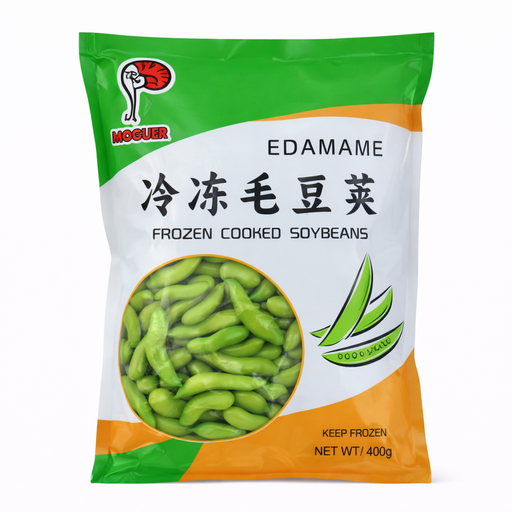
Why this fits the profile: The kilo pack suits households that often make salads, bowls or Asian dishes and have space in the freezer.
The storage instructions make it clear that the product must stay frozen and should not be refrozen after thawing.
1 kilogram; cooked edamame; according to the product information, suitable as a snack or addition to meals.
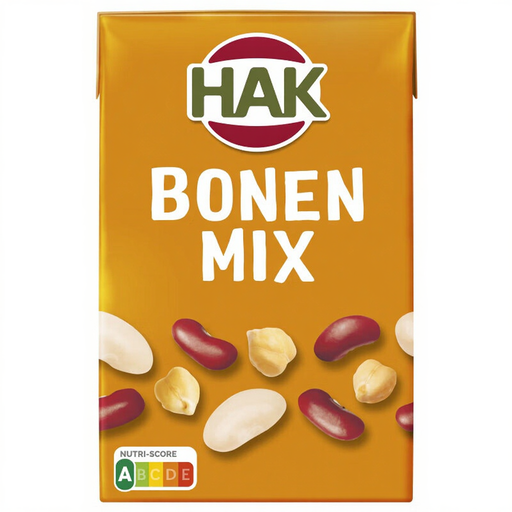
Why this fits the profile: This combination saves preparation time when you want to use several types of beans in a salad, soup or wrap.
The ingredients list states the proportions of kidney beans, haricot beans and chickpeas. So you know exactly which mix you’re buying.
380 grams; three types of pulses; according to the product information, 6.9 grams of fibre per 100 grams.
We’ve put together a full, up-to-date list of products that fully meet these strict selection criteria and comply with current European safety regulations.
Cooked canned beans are generally ready to use. Drain the liquid and rinse them if you like before adding them to a salad, curry or soup. Always check the packaging and do not use a tin if it is damaged, swollen or leaking.
This varies by product. For the information provided on SUNTAT, it is advised to store opened beans in the fridge and consume within two days. Always follow the storage instructions on the specific label, as these are the ones to go by.
Chickpeas, kidney beans, black beans and mixed beans are practical for salads, wraps and curries. For a frozen option, you could consider edamame. With blended or seasoned products, check the ingredients list and allergens, especially if soya, wheat, peanuts or nuts are relevant.
