
Vandaag of morgen in huis

Kwaliteit gegarandeerd

Welkomstaanbiedingen ontgrendelen: GRATIS bezorging | Tot 80% korting | Gratis 30 dagen JoyPlus-proefperiode
Download de app
Legumes from a can, jar, or stand-up pouch are a staple in many pantries. They're convenient, nutritious, and affordable. But when buying beans online, it's easy to fall into a few common pitfalls. A label might look healthy, but the contents can be loaded with unnecessary salt or sugar. Let's skip the marketing jargon and focus on what really matters.
As a Joybuy Product Recommendation Officer, I'm here to help you make the right choices based on facts, not flashy claims.
Before you fill your shopping cart, here are two points to consider that can save you money and disappointment:
To avoid these traps, focus on a few objective specifications on the label. This will help you make an informed choice, whether you're looking for chickpeas, lentils, or kidney beans.
The nutrition facts panel is your most important tool. Look specifically at the lines for "Salt" and "of which sugars". Many manufacturers add salt for flavour and preservation. A lower salt content is generally a better choice for daily use. Products with no added salt give you the freedom to season them yourself. The same applies to sugar, which is especially relevant for beans in sauce. Organic legumes often contain less or no added salt.
Always compare the drained weight when assessing the price of different brands or packages. For example, a 400-gram can might contain 240 grams of beans, while another brand in a similar can provides 260 grams. This small difference adds up, especially if you regularly buy canned beans. It is legally required to be listed on the packaging.
The packaging affects not only shelf life but also convenience.
Below are a few products that are well-suited for different households and needs, based on their specifications.

Why This Fits Their Persona: A quick, flavourful, and nutritious base for a meal when time is short. You just need to add rice or wraps for a complete chili sin carne.
This product bypasses the "healthy sauce" trap by offering a complete, seasoned mix. You're not just buying beans, but a meal component with a balanced amount of sugar (2.4 g) and salt (0.5 g).
Rich in fibre (5.1 g) and a complete vegan meal base in one. Ready to serve in minutes.
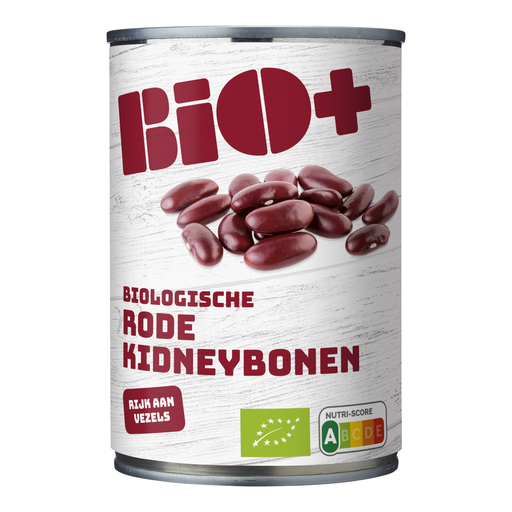
Why This Fits Their Persona: Perfect for those who want to control their salt and sugar intake. These organic beans are a pure base for salads, stews, and homemade chili.
These beans tackle the "hidden salt" pitfall head-on. With just 0.01 grams of salt per 100 grams and no added sugars, you get exactly what you see: pure organic legumes.
Certified organic and extremely low in salt. Rich in protein (7 g) and fibre, giving you full control over the flavour of your dish.
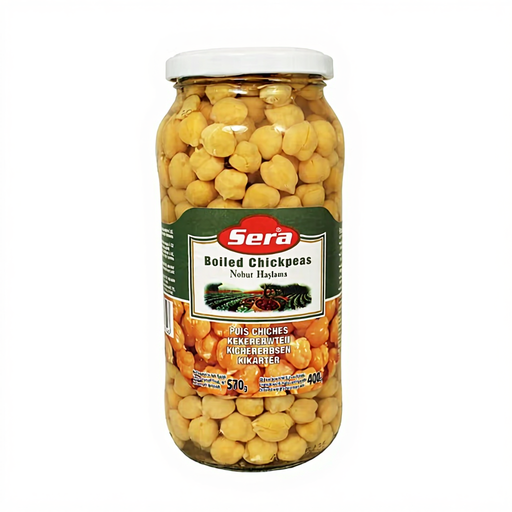
Why This Fits Their Persona: Ideal for making authentic hummus, curries, or adding to Mediterranean salads. The firm texture of these Turkish chickpeas holds up well in various dishes.
This product helps avoid the "paying for water" trap by offering a generous jar with a good ratio of chickpeas to liquid. The large packaging is efficient for those who cook regularly.
Ready-to-use, firm chickpeas in a large jar (570g), perfect for making larger batches of hummus or for meal prepping.
We have compiled a complete, up-to-date list of products that meet these objective selection criteria.
Yes, it's often a good idea. Rinsing them under cold water can reduce the sodium content by up to 40%. It also removes the starchy liquid, which can improve the taste and texture in dishes like salads. For stews or soups, however, the liquid can act as a thickener, so you might choose to leave it in.
Once opened, store the legumes in a sealed, non-metallic container in the refrigerator. They will typically stay good for 3 to 4 days. Use your senses: if they look or smell strange, discard them.
Not necessarily 'better', but different. Dried lentils or beans are often cheaper per serving, and you have complete control over the salt content. However, they require preparation (soaking and cooking). Canned beans or jarred beans offer ultimate convenience and are ready to use immediately, which is ideal for quick meals in a busy household.
