
Vandaag of morgen in huis

Kwaliteit gegarandeerd

Welkomstaanbiedingen ontgrendelen: GRATIS bezorging | Tot 80% korting | Gratis 30 dagen JoyPlus-proefperiode
Download de app
If you’re buying beans online, you’ll quickly come across dozens of varieties, pack sizes and preparation methods. The difference isn’t just in the name. A dried mung bean requires a different plan to frozen edamame, while tinned beans are all about convenience. With the right checks, you can avoid paying over the odds, ordering the wrong amount, or picking a product that doesn’t suit your recipe.
A product photo might look similar, but the experience of using them is very different:
Always check the product form, net weight and storage conditions. A 400 g bag of dried beans is not directly comparable to 400 g of ready-to-eat beans.
Beans are often promoted as versatile vegan protein sources. That can be a useful feature, but the nutritional values vary by type and product. Look at the table per 100 g and also check the carbohydrate, fibre, fat and salt content.
For example, the label on Sunlee Whole Mung Bean 400 g states 23 g of protein and 16 g of fibre per 100 g. HUASEED Selected Soybeans 400 g states 33 g of protein and 19.8 g of fat per 100 g. These figures come from the product information and are not a reason to use every product for the same purpose.
Soya is a mandatory allergen to declare. Some products may also contain traces of gluten-containing cereals, peanuts, nuts or sesame. For instance, Duru Pratik Nohut states that the product is produced on the same line as wheat. Sunlee Peeled Split Mung Bean mentions possible traces of gluten, peanuts, nuts and sesame.
Also read the instructions. Raw or undercooked pulses are not suitable for immediate consumption. Follow the pack instructions, especially for dried kidney beans, adzuki beans and other beans that need to be soaked and cooked first.
For meal prep and store-cupboard staples, dried beans are practical if you can plan ahead. A 1 kg pack, such as Duru Green Mung Beans or Premium Soybean 1 kg, can be a good option for regular use.
If you want to cook without lengthy preparation, look at tinned chickpeas, tinned black beans or baked beans in tomato sauce. These work well in salads, stews, wraps and quick lunch dishes. With ready-to-eat products, do check the salt content and ingredients list.
Frozen beans are suitable if you want a product with a fixed portion size. Store them according to the instructions, usually at -18 °C or below, and do not refreeze thawed products.
A small pack can be handy for trying a new variety. For a family or regular recipes, a larger size is often more practical. Bear in mind:
Don’t just compare the price per pack; also look at the price per 100 g and the amount you’ll have after cooking.
Mung beans work in soups, porridge, sprouted dishes and desserts. Soya beans are suitable for preparations such as soya milk, tofu or soups, but require soaking and cooking according to the label. Edamame is already recognisable as young soya beans and is often used in salads, bowls, soups or as a snack.
Chickpeas are handy for hummus, stews and salads. Black beans go well with rice dishes, wraps and Latin American recipes. Broad beans and fava beans suit Turkish, Mediterranean and Middle Eastern dishes. Red adzuki beans are also used in sweet Asian desserts; if you choose a sweetened variety, check the sugar content.
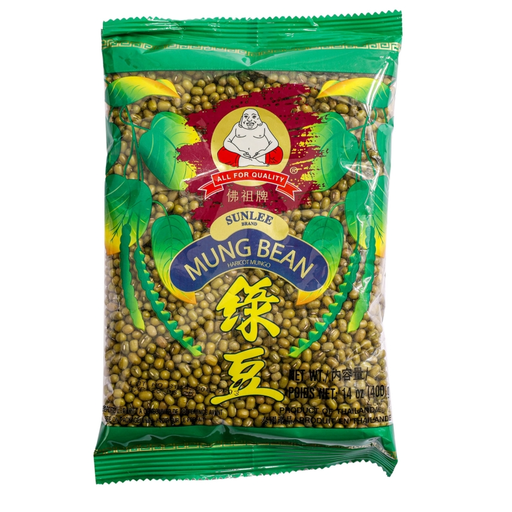
Why this fits the profile: A straightforward pack for anyone wanting to buy mung beans without committing to a large size straight away. Suitable for soups, porridge and desserts.
The product form and contents are clearly stated: whole mung beans in a 400 g pack. It is not a ready-to-eat product, so you can plan the preparation in advance.
100% whole mung beans according to the ingredients list; the label states 23 g of protein per 100 g.
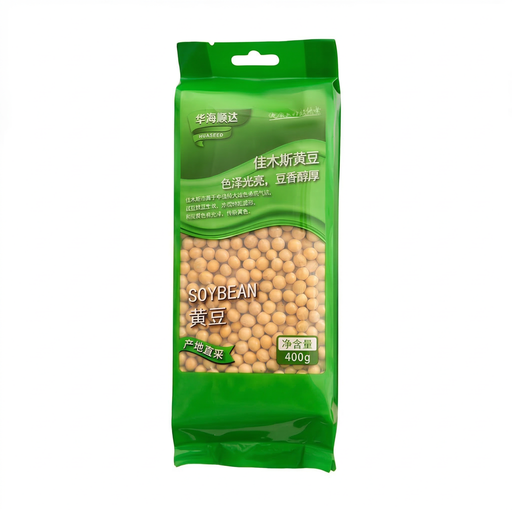
Why this fits the profile: For home cooks buying soya beans for multiple uses, such as soup, porridge or homemade preparations.
The usage instructions state that soaking and cooking are required. This makes it clear that it is not a ready-to-eat snack or product.
Ingredient: 100% soya; 400 g pack; the label states 33 g of protein per 100 g. Contains soya.
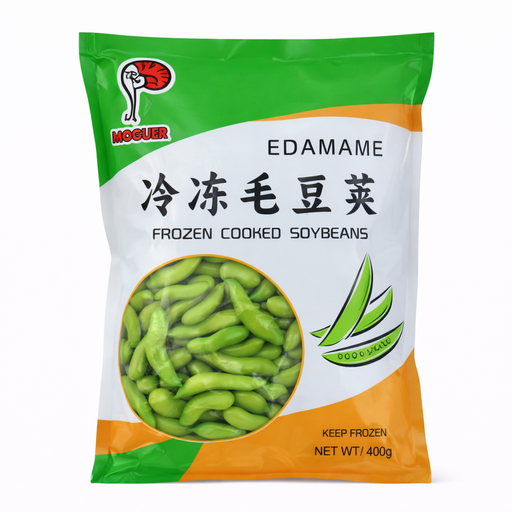
Why this fits the profile: A large size for anyone who regularly uses edamame in salads, bowls, soups or as a snack.
The product is cooked and delivered frozen. This means you avoid the longer soaking and cooking preparation of dried soya beans.
1 kg content; cooked edamame; according to the product information, the pack contains soya and a small amount of salt.
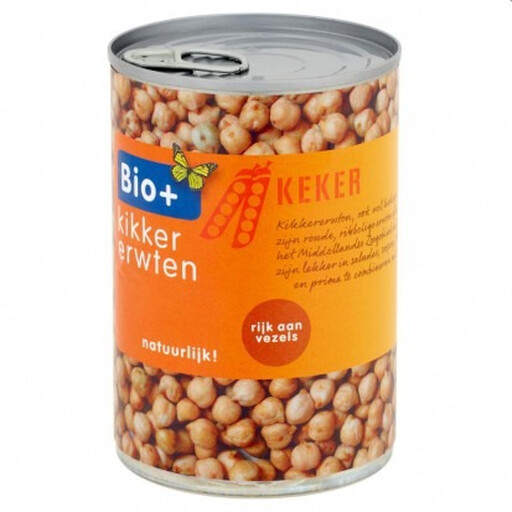
Why this fits the profile: A practical choice for hummus, salads and stews when you want to order pulses online without lengthy preparation.
The ingredients list states chickpeas and water. Do check the allergen information before purchase, as the product data mentions possible traces of peanuts and nuts.
400 g pack; suitable for hummus, salads and stews; water is listed as the second ingredient.
We’ve put together a full, up-to-date list of products that fully meet these strict selection criteria and comply with current European safety regulations.
Choose tinned chickpeas, tinned black beans, baked beans in tomato sauce or cooked edamame. These products require less preparation than dried beans. After opening, check the storage instructions and use the product within the stated time.
The shelf life is stated on the pack. Store dried mung beans, soya beans, kidney beans and adzuki beans in a cool, dry place, tightly sealed. After opening, an airtight container helps to keep out moisture and insects. Always use the date and instructions on the label as a guide.
Dried beans often have a lower price per 100 g of product, but they require soaking, cooking, water and energy. Tinned beans may cost more per ready-to-use amount, but they save preparation time. So compare the price per cooked portion and choose based on your cooking routine.
