
Vandaag of morgen in huis

Kwaliteit gegarandeerd

Welkomstaanbiedingen ontgrendelen: GRATIS bezorging | Tot 80% korting | Gratis 30 dagen JoyPlus-proefperiode
Download de app
When buying beans and pulses, it’s easy to focus first on the price or an appealing pack. But it’s the combination of type, preparation method and pack size that determines whether a product is right for your kitchen. A tin of brown beans is handy for a quick meal, while dried lentils or mung beans need more preparation but are suitable for making larger portions.
Dried beans, such as brown beans, kidney beans, black beans and mung beans, usually need to be washed, soaked and cooked according to the instructions on the pack. This takes time, but a larger bag can be useful for meal prep.
Tinned or jarred beans are already cooked. You can usually drain and rinse them, then add them straight to a salad, soup, curry or stew. Check the salt content and the ingredients list, though. A short ingredients list, with beans, water and salt, for example, makes it easier to compare products.
A 1 kg pack of dried beans might seem like good value, but the beans absorb water as they soak and cook. For ready-to-eat products, it’s important to check the net quantity, not just the size of the jar or tin.
Think about how you’ll use them, too. For one or two meals, 200 to 400 grams may be more practical. Larger packs are better suited to families, restaurants, regular curry-making or batch cooking.
Words such as “premium”, “natural” or “rich in” don’t tell you much on their own. Look for information you can verify instead:
According to some brands’ own product information, pulses contain protein and fibre. Treat this as a product claim and always check the label for the latest values. Online product information may also differ from the packaging, so the physical label takes precedence.
The best type of bean or pulse depends mainly on its texture, cooking time and how you plan to use it.
Check whether the product is dried, cooked, chilled or frozen. For frozen products, such as edamame or green beans, the cold chain needs to be maintained. Store them at the temperature stated on the pack, and don’t refreeze a thawed product unless the packaging says it’s safe to do so.
Compare more than just the type of bean: check what else has been added. For example, Duru Pratik Cooked White Beans lists cooked white beans, water and salt; according to the product information, the production line may also handle wheat. According to the product description, Mooijer Cooked Edamame contains soya and salt. This is relevant information if you have allergies or food intolerances.
Products that don’t contain any of the 14 main EU allergens may still be made in an environment where other allergens are present. Always read the latest packaging.
A 720-gram jar is suitable for several people, while a 200- or 400-gram pack may be more convenient for smaller households. Store dried products in a cool, dry, airtight place. According to the label, opened cooked beans should generally be refrigerated and used within the stated time.
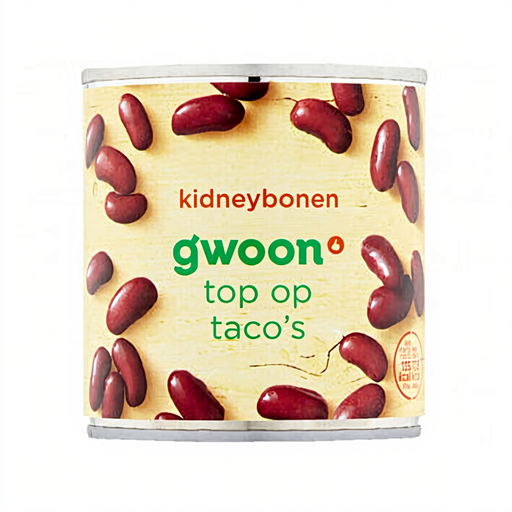
Why this suits this type of shopper: The 200-gram pack is a manageable size for your first chilli, salad or rice dish. According to the product information, the ingredients are red kidney beans and water.
You won’t need to buy a large supply before you know how many kidney beans you use. The ingredients list is short and clear.
200 g, ready to eat and, according to the product information, free from the 14 main EU allergens.
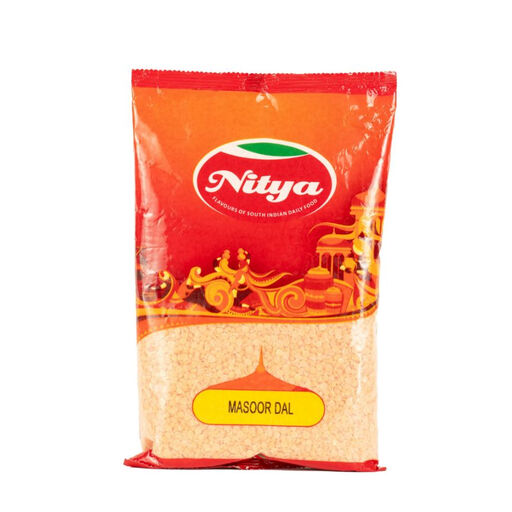
Why this suits this type of shopper: If you regularly make dal, soup or curry at home, a 1 kg pack gives you a useful supply for several dishes.
The product description gives the type, net quantity and nutritional values per 100 grams, making it easier to compare products.
Red split lentils, 1 kg, suitable for dal, soups, curries and larger cooking sessions.
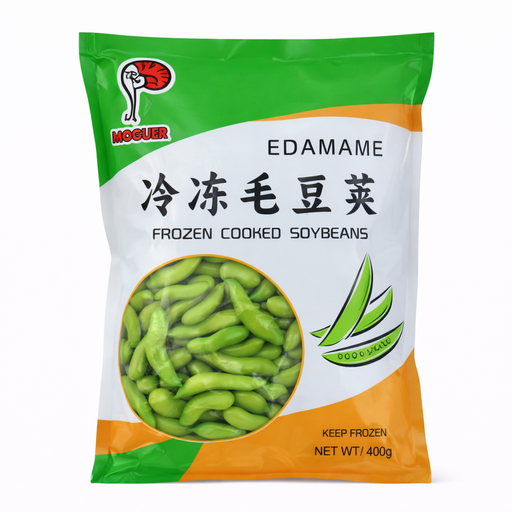
Why this suits this type of shopper: A good choice if you often use edamame in salads, Asian meals or as an addition to hot dishes.
The product description says the edamame is cooked, so there’s no need to soak or cook dried soya beans for a long time.
1 kg of cooked edamame, a frozen product and, according to the label, a product containing soya.
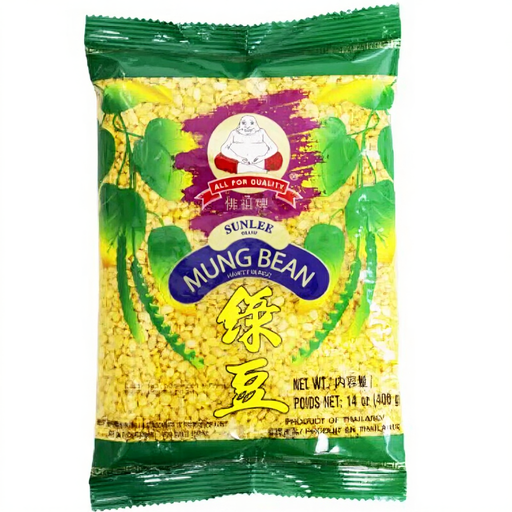
Why this suits this type of shopper: Peeled, split mung beans are a good match for home cooks who make Thai, Indian or other Asian recipes.
The product name makes the processing clear: these are peeled, split mung beans, not whole mung beans, which have different cooking properties.
400 g, from Thailand according to the product information, and suitable for dals, soups and curries.
We’ve put together a complete, up-to-date list of products that meet these strict selection criteria and the applicable European safety requirements.
Usually, yes. You can drain and rinse cooked brown beans, kidney beans, chickpeas and white beans before adding them to a dish. Check the pack for any preparation instructions. If you’ve opened a tin or jar, follow the storage advice on the label.
Store dried beans, lentils and mung beans in a cool, dry, airtight place, away from sunlight and moisture. Once opened, it’s best to transfer them to a tightly sealed storage jar, and check the use-by or best-before information on the pack.
It depends on how much you use. A 1 kg bag can be practical if you regularly use lentils, mung beans or other dried pulses. For occasional meals, a 200- to 400-gram pack can help prevent a product from being left unused. Compare the price per 100 grams as well as the amount you’ll actually use.
