
Vandaag of morgen in huis

Kwaliteit gegarandeerd

Welkomstaanbiedingen ontgrendelen: GRATIS bezorging | Tot 80% korting | Gratis 30 dagen JoyPlus-proefperiode
Download de app
Buying beans might seem straightforward, until you have to choose between dried, cooked, frozen or ready-prepared varieties. The names can be confusing too: haricot beans, kidney beans, black beans, red kidney beans, mung beans, soya beans and black-eyed peas each require different preparation and have different uses.
When shopping online, don’t just look for words like “rich in protein and fibre” or “premium”. Instead, check the product specifications, ingredients list, net weight, origin and storage advice. That way, you’ll avoid buying a large pack that doesn’t suit your recipes or cooking routine.
Dried beans usually need longer preparation. They often require soaking first and then cooking. This works well if you like to batch cook, but it’s less convenient for a quick weekday meal.
Beans in jars, tins or sauce are already cooked and save you time. However, you may find extra ingredients such as sugar, oil or salt added. Always check the ingredients list and nutrition table.
Pulses provide different nutrients, but the values vary by type and product form. The nutritional information on the label is usually given per 100g, but the weight changes after soaking and cooking. So don’t compare dried soya beans directly with a ready-made product without considering the preparation method.
Claims such as “high in protein” or “rich in fibre” must match the product information. According to the manufacturer’s or seller’s product description, a particular product contains these nutrients; check the packaging for the current and complete details.
A 1kg pack might seem good value, but it needs enough dry storage space. Dried beans must be kept tightly sealed and protected from moisture after opening. Frozen products need space in the freezer and must not be refrozen once thawed.
Also check allergen information. Soya beans contain soya as an allergen. Some products are processed in an environment where peanuts, nuts, sesame, gluten or mustard are also present.
Choose your beans based on your dishes:
Pay close attention to translations. “Red beans” in product information can refer to adzuki beans, while “kidney beans” are a different type. So look at the ingredients list, not just the commercial product name.
A bag of 400g, 500g or 1kg is usually a dried product, unless stated otherwise. A jar of 720g or a tin of 415g typically contains a ready-prepared product, often including water or sauce.
For quick cooking, beans in tomato sauce or pre-cooked varieties are practical. If you prefer to control the seasoning, texture and portion size yourself, dried beans are a better choice. They do require planning and a suitable cooking time.
With a single-ingredient product, the choice is straightforward. For example, Goya lists only black beans or red kidney beans for certain dried beans. With prepared products, tomatoes, water, sugar, vinegar, oil, herbs and salt may have been added.
Origin is also relevant if you cook international cuisines. Examples from the range include mung beans from Thailand, adzuki beans from China and various beans from Turkey. Origin alone doesn’t indicate taste or quality, but it does help you match your purchase to a recipe or cooking style.
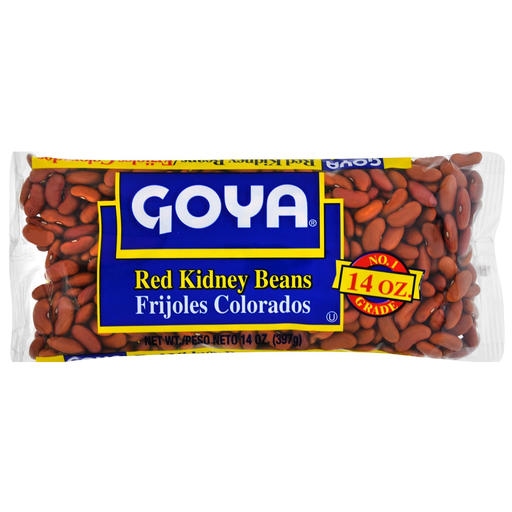
Why this fits the profile: A straightforward pack of 100% red kidney beans for chilli, soups, salads and rice dishes.
The ingredients list only red kidney beans. So you’re not paying for a sauce or a long list of additives, but you do need to allow time for soaking and cooking.
397g dried beans; according to the product information, 21.4g protein per 100g.
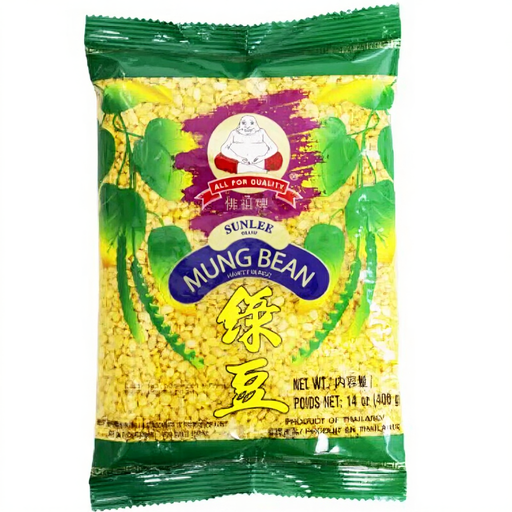
Why this fits the profile: For home cooks who are specifically looking for an ingredient for Asian soups, curries and porridge dishes.
The product name clearly states it’s peeled, split mung beans. So don’t expect the same texture as whole green mung beans.
400g; origin Thailand; ingredient according to the product information: mung beans.
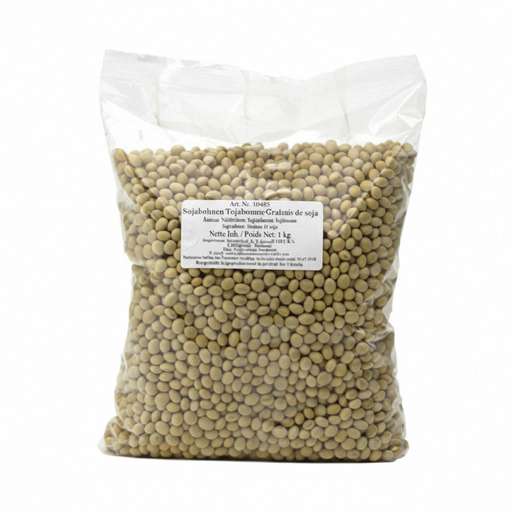
Why this fits the profile: A large pack for anyone who regularly makes soya milk, tofu, soya paste, soups or other plant-based dishes.
The packaging states 1kg and 100% soya beans. Allow 8 to 12 hours for soaking and check for soya as an allergen before buying.
1kg net weight; suitable according to the product description for tofu, soya milk, soups and stews.
We’ve put together a full, up-to-date list of products that fully meet these strict selection criteria and comply with current European safety regulations.
Choose pre-cooked beans, beans in tomato sauce or frozen edamame. A product like Heinz Tomato Beans (415g) can be used straight away as a side dish. Do check the amount of salt, sugar and sauce in the nutrition table.
The recommended preparation varies by type and pack. Follow the instructions on the label. For larger soya beans, the product information states, for example, 8 to 12 hours of soaking. Dried kidney beans, chickpeas and other pulses also need thorough cooking; use the preparation instructions on the packaging.
Store dried beans in a cool, dry place, tightly sealed and away from direct sunlight. Opened jars and prepared products should be stored according to the label and consumed in good time. Frozen beans, such as edamame, should be kept frozen and not refrozen after thawing.
