
Vandaag of morgen in huis

Kwaliteit gegarandeerd

Welkomstaanbiedingen ontgrendelen: GRATIS bezorging | Tot 80% korting | Gratis 30 dagen JoyPlus-proefperiode
Download de app
When you shop for beans online, you’ll soon find dozens of varieties, pack sizes and preparation methods. Are you looking for a quick addition to a midweek meal, dried pulses to stock your cupboard, or ingredients for Asian, Indian, Turkish or Mexican dishes? Choosing the right type can make a difference to preparation time, flavour, storage and cost per serving.
The product name doesn’t tell you everything, though. Always check the ingredients, nutritional information, net weight and storage advice before placing your order.
A bag of dried beans can seem more or less expensive than a tin, but the contents aren’t directly comparable. Dried beans absorb water as they soak and cook. With tinned beans, you’re also paying for the water and sometimes the salt. So compare the price per 100g or, better still, the price per expected serving.
Nutritional values vary by variety and product type. For example, Sunlee Whole Mung Bean lists 23g of protein per 100g, while G'woon Whole Green Beans lists 1.5g of protein per 100g. Runner beans are pulses, too, but in cooking they’re generally used differently from dried beans, kidney beans or soya beans.
Also check whether the nutritional values are for a dried product or one that’s already been cooked. Water affects the nutritional values per 100g.
Dried beans need planning. They often need to be rinsed, soaked and cooked thoroughly first. Proper heating is important for dried kidney beans, so always follow the instructions on the pack.
With ready-to-use products, the main risk is not checking the salt, sugar or additives. For example, Duru Pratik Cooked White Beans contains cooked white beans, water and salt. Edamame contains soya, which is an EU-regulated allergen. If you’re unsure, check the allergen information and any cross-contamination warnings in the product description.
A short ingredients list makes it easier to compare products. Mooijer Soybeans Edamame Cooked lists soya and salt. According to the product information, G'woon Whole Green Beans contains green beans, water and citric acid. Products with sauce, syrup or marinade may contain more sugar and salt.
Compare at least:
The term “vegan beans” mainly tells you about the product’s ingredients. Check the packaging if you want to avoid cross-contamination with, for example, milk, gluten or nuts.
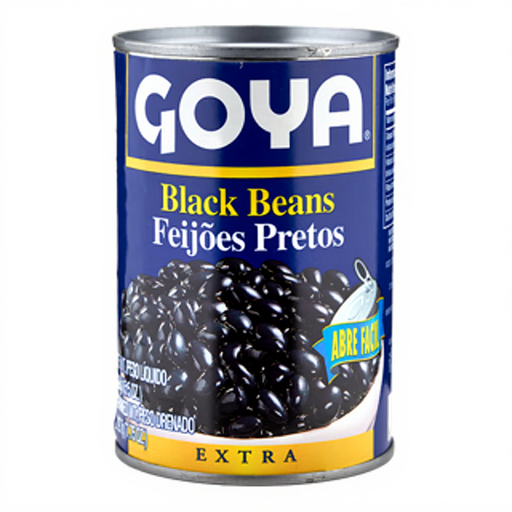
Why it suits this profile: These tinned black beans are a practical choice if you want to make a meal without soaking or a lengthy cooking time.
The product information clearly states that these are tinned pulses. Before use, check the latest ingredients and nutritional information on the tin.
439g per tin; ideal for salads, chilli and other dishes that use black beans.
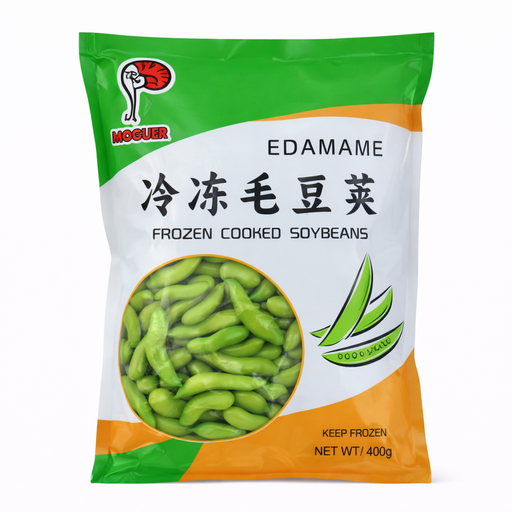
Why it suits this profile: This cooked edamame is ideal if you’re looking for a generous freezer pack and a versatile ingredient.
The edamame is already cooked, so there’s no need to soak it or cook it for a long time. Remember to keep it frozen and check the soya allergen label.
1kg; cooked soya beans with salt, ideal for salads, meals or as a snack.
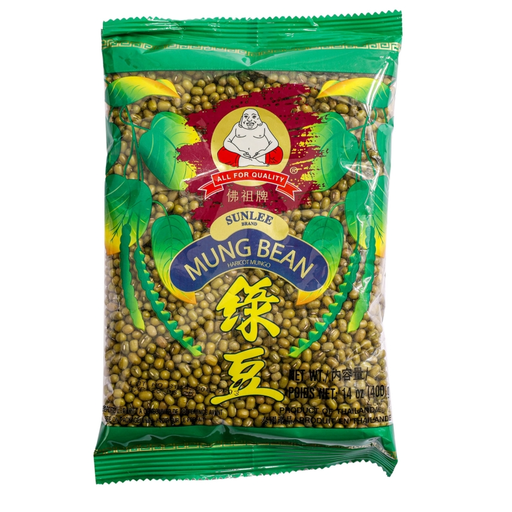
Why it suits this profile: These whole mung beans are a good choice for home cooks who want to make their own soup, porridge, sprouts or desserts.
The ingredients list contains whole mung beans with no extra ingredients. You can choose how to prepare them, but you’ll need to allow enough time.
400g; according to the product information, 23g of protein per 100g; suitable for a range of Asian dishes.
We’ve put together a complete, up-to-date list of products that meet these strict selection criteria and the applicable European safety requirements.
Choose tinned or jarred beans, or a cooked frozen variety. Goya Black Beans, for example, can be added straight to chilli, rice dishes or salads. Once opened, check the storage advice and refrigerate any leftovers.
It depends on the brand, pack size and serving size. Dried beans usually take longer to prepare, but you can cook larger quantities. With tinned beans, you’re paying for convenience and ease of use. Compare the price per prepared serving rather than just the shelf price.
Store unopened dried beans in a cool, dry place away from direct sunlight. Seal the pack tightly once opened. Store unopened tins and jars according to the label; don’t use any packaging that is bulging, leaking or damaged. Keep frozen products frozen until you’re ready to use them, and don’t refreeze them after defrosting unless the product instructions say you can.
