
Vandaag of morgen in huis

Kwaliteit gegarandeerd

Welkomstaanbiedingen ontgrendelen: GRATIS bezorging | Tot 80% korting | Gratis 30 dagen JoyPlus-proefperiode
Download de app
Buying beans might seem straightforward, until you’re faced with dozens of packets. Do you go for dried beans or tinned beans? Are red beans the same as adzuki beans? And how much do you actually pay per portion? Marketing copy often emphasises terms like “premium”, “high in protein” or “authentic”, yet the practical differences really come down to preparation time, the ingredients list, packaging and nutritional values.
With this buying guide, you can compare brown beans, white beans, red beans, green beans, mung beans, black beans, edamame, chickpeas and black-eyed beans in a no-nonsense way.
A 720 g jar doesn’t always contain 720 g of drained beans. With tinned or jarred beans, part of the weight is water or sauce. So, where that information is available, compare the drained weight rather than just the net weight.
With dried beans, you’re paying for the uncooked product. These absorb moisture during soaking and cooking, which increases the final quantity. The low price per packet therefore doesn’t automatically tell you about the price per meal.
The amount of protein, fibre, salt, sugar and energy varies by type and by preparation. Beans in tomato sauce, for example, often contain extra sugar and salt compared with beans in just water and salt. With a product like Heinz Tomato Beans, the label lists white beans, tomatoes, sugar, vinegar and salt, among other things.
So use nutritional claims as a prompt to check the nutritional information table per 100 g. The values on a product page can also differ per pack or production batch. Always check the label when you receive your order.
Dried beans are handy if you like to cook in advance, but they usually require soaking and cooking. Tinned or jarred beans are quicker to use. Frozen green beans and edamame need to fit in your freezer and, once thawed, should generally not be refrozen.
When ordering online, also pay attention to the storage instructions. A frozen product such as Frozen Beans – 800 g must be stored at -18 °C or lower. A jar of brown beans, on the other hand, should be kept cool and dry, away from direct sunlight and, before opening, outside the fridge.
For a simple composition, look for an ingredients list that says, for example, 100% beans. According to the product information, this applies to:
With composite products, such as beans in tomato sauce, oil, sugar, herbs, thickeners or acidity regulators may have been added. Also check the allergen information. Soya beans and edamame contain soya; some packs also state that they are processed in an environment with peanuts, nuts, sesame or gluten.
Choose the format based on how you’ll use them:
Brown beans work well in Dutch stamppot, soups and salads. White beans combine with tomato sauce, Mediterranean dishes and stews. Red beans and black beans are often used in chilli, rice dishes and Tex-Mex recipes. Mung beans are suitable for curries, soups and salads. Chickpeas work well in hummus, couscous and oven-baked dishes.
Green beans are botanically legumes, but are usually used as a vegetable. Their nutritional values are therefore different from those of dried beans. The frozen Frozen Beans – 800 g contains, according to the product information, 100% green beans and 32 kcal per 100 g.
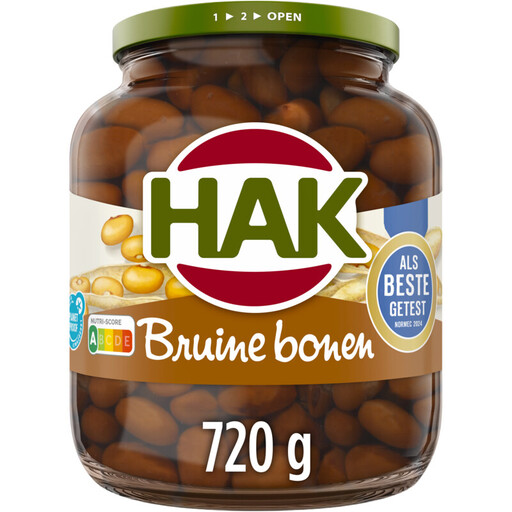
Why this fits the profile: The jar is ready to use in stamppot, soup, chilli or salad. That makes this option practical for anyone trying different beans for the first time.
The ingredients list states brown beans, water, sugar syrup, sea salt and a few processing aids. So you know it’s not a completely unseasoned 100% bean variety.
720 g per jar; suitable for hot and cold dishes; according to the product information, grown and harvested in Zeeland.
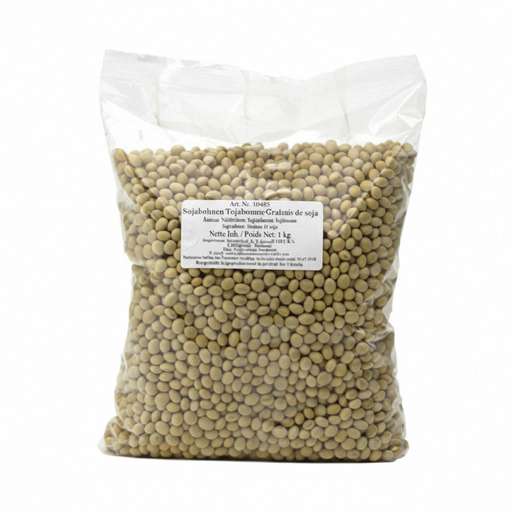
Why this fits the profile: These dried soya beans are intended for cooks who want to make their own soya milk, tofu, soya paste or stewed dishes.
The product information mentions a soaking time of 8 to 12 hours. This makes it clear upfront that these are not quick tinned beans.
1 kg pack; 100% soya beans according to the description; suitable for vegetarian and vegan recipes. Contains soya.
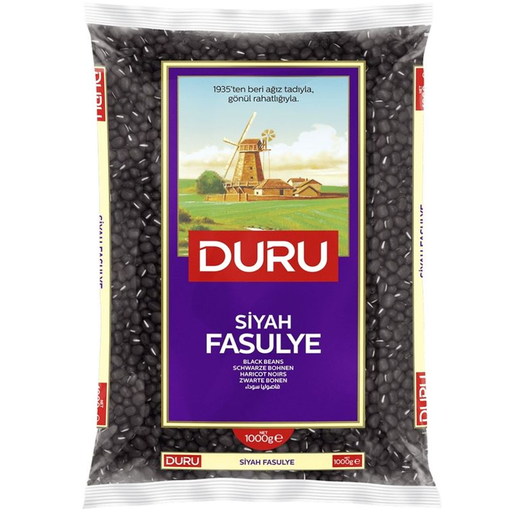
Why this fits the profile: The 1 kg pack suits anyone who regularly uses black beans in chilli, rice dishes, salads or vegan bean recipes.
The nutritional information is clearly shown per 100 g: 23.7 g protein, 21.2 g fibre and 0.10 g salt. Check these values on the pack when you receive it.
1 kg dried black beans; clear nutritional values; suitable for a variety of international dishes.
We’ve put together a full, up-to-date list of products that fully meet these strict selection criteria and comply with current European safety regulations.
That depends on the packaging, the drained weight and your energy use. Dried beans often have a low price per uncooked quantity, but they require preparation and cooking time. Tinned or jarred beans often cost more per portion, but save time. Compare the price per drained or prepared weight when that data is available.
Store unopened dried beans according to the date on the pack, in a dry, cool place away from direct sunlight. Seal the pack well after opening and protect the beans from moisture. If in doubt, check the smell, colour and for any insects. Always follow the information on the label.
That’s not always necessary. Rinsing can help remove the liquid, sauce and some of the added salt. With beans in tomato sauce, you’ll often want to keep the sauce. Check the ingredients list and choose the preparation method that suits your dish.
