
Vandaag of morgen in huis

Kwaliteit gegarandeerd

Welkomstaanbiedingen ontgrendelen: GRATIS bezorging | Tot 80% korting | Gratis 30 dagen JoyPlus-proefperiode
Download de app
Buying pulses seems simple enough, until you’re faced with a shelf or online range of dried beans, jars, tins and frozen products. The differences aren’t just about taste. Preparation time, packaging, origin, allergen information and nutritional values per 100 g can all vary considerably.
If you’re looking to buy beans with a particular purpose in mind, it’s worth knowing these three common pitfalls first:
Dried beans and lentils usually have a long shelf life and are suitable for storing in the cupboard. They do need some preparation, though. Some beans need to be soaked and then thoroughly heated according to the instructions on the pack. This is particularly important for dried kidney beans, so always follow the manufacturer’s cooking instructions.
Products in tins, jars or pouches are quicker to use. Check the ingredients list for added salt, water, oil or other ingredients. A short ingredients list, such as Hak White Beans, which contains white beans, water and sea salt, makes it easier to see what you’re buying.
Frozen edamame is handy for quick meals. Keep it frozen and refrigerate it after defrosting. The product information advises against refreezing it.
Not every bean is suited to every dish:
When ordering online, check the net weight. A product title might say 1 kg, while another option contains 400 g or 720 g. Compare the price per 100 g as well as the amount left after cooking.
The origin may matter if you’re looking for ingredients for a particular cuisine. For example, some red beans are sold as coming from China, while certain chickpeas and fava beans come from Turkey. Products for Indian cooking often use names such as Kabuli chana, Kala chana, masoor dal or urad dal.
Always check the pack for the latest information. According to the retailer, product details on a website may differ from the physical label. Pay particular attention to:
A product with no allergens listed isn’t automatically suitable for everyone with an allergy. For example, edamame is explicitly labelled as containing soya. If products are processed in an environment where nuts, dairy or wheat are present, follow the warning on the label.
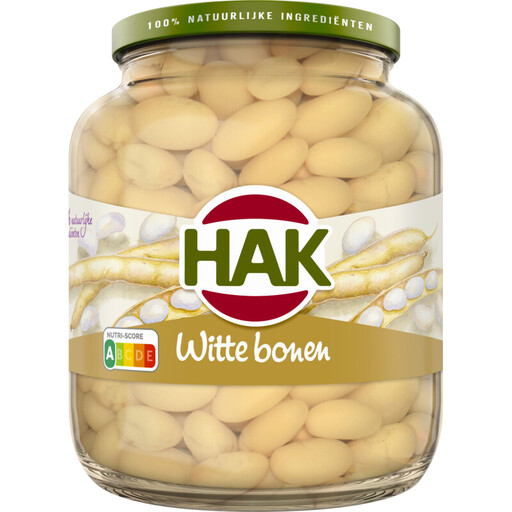
Why it suits this profile: These preserved white beans are ready to use in soup, salad or tomato sauce. That saves you from having to soak and cook a large quantity of dried beans first.
The pack states that it contains 720 grams and has a short ingredients list: white beans, water and sea salt. Be sure to check the storage instructions on the label after opening.
720 g pack, suitable for soups and, according to the product information, 9,9 g of fibre and 7,8 g of protein per 100 g.
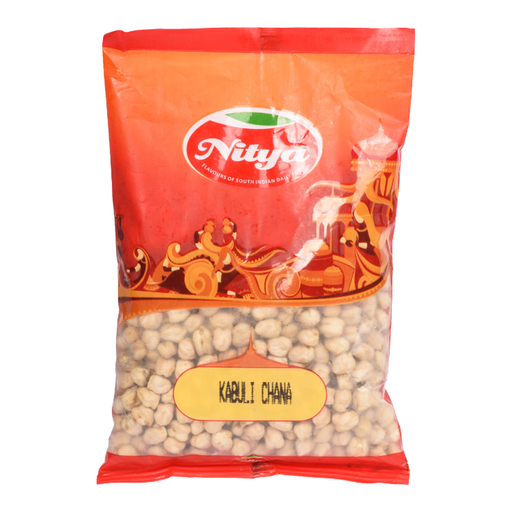
Why it suits this profile: These dried Kabuli chickpeas are ideal if you regularly make Indian chole, hummus, salads or soups and want a larger pack for your store cupboard.
The product information states the weight (1 kg) and suggests specific ways to use it. Just remember to allow time for soaking and cooking before you order this option.
1 kg pack and, according to the label, 20 g of protein per 100 g of the uncooked product.
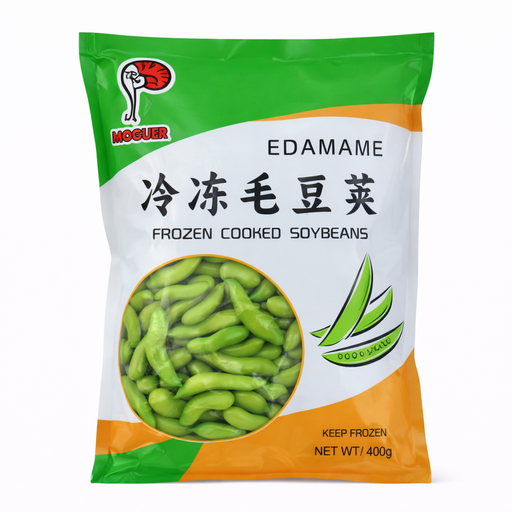
Why it suits this profile: This cooked edamame is a good choice for households looking to add plant-based ingredients to salads, soups or meals in a hurry.
The product information makes clear that this is a cooked, frozen product. You won’t need to soak dried soybeans, but you will need space in your freezer.
1 kg pack, already cooked and clearly labelled as containing the allergen soya.
We’ve put together a complete, up-to-date list of products that meet these strict selection criteria and the applicable European safety regulations.
It depends on the price per weight, pack size and how much you actually use. Dried beans are often a good choice for cooking larger quantities, but they take preparation and energy to cook. Beans in tins or jars are quicker to use. So don’t just compare the shelf price; consider preparation time and the amount in each pack too.
Follow the best-before date on the pack and store dried pulses in a cool, dry, dark place in a sealed container. Once opened, it’s best to transfer them to an airtight storage container. Check for moisture, insects or an unusual smell before use. It’s best not to use the product if the packaging is damaged.
Beans, chickpeas, lentils, edamame, soybeans and broad beans are plant-based ingredients often used in vegetarian and vegan dishes. Always check the full ingredients list, though. Even a simple product may contain additions such as salt, sauce or other ingredients. If you have an allergy, the allergen information on the packaging should always be your guide.
