
Vandaag of morgen in huis

Kwaliteit gegarandeerd

Welkomstaanbiedingen ontgrendelen: GRATIS bezorging | Tot 80% korting | Gratis 30 dagen JoyPlus-proefperiode
Download de app
Buying beans and pulses sounds simple until you have to choose between dried beans, tinned beans, jars, pouches and international varieties. A pack may look large, while the drained weight is limited. Cooking times, ingredients and nutritional values can also vary considerably between products.
This practical buying guide compares borlotti beans, kidney beans, black beans, chickpeas, black-eyed beans, white beans, mung beans, soya beans and broad beans, among others. That way, you can buy what suits your meal, cupboard and cooking routine.
With beans in a tin or jar, the total weight includes both beans and liquid. This liquid may contain water, salt, oil or other ingredients. So do not just look at, for example, 400 or 580 grams. Also check the drained weight if it is shown on the packaging.
A larger pack is not automatically better value if you throw away some of the liquid or regularly use small portions.
Pulses are often a practical vegan source of protein, but nutritional values vary depending on the type and form of the product. Dried kidney beans and black-eyed beans contain a different amount of protein per 100 grams from cooked chickpeas because their water content differs.
Always compare products in the same form: dried with dried, or prepared with prepared. The nutritional information on the packaging is the most reliable guide.
Dried beans require planning. You will usually need to soak them and then cook them thoroughly. Tinned or jarred beans are quicker to use, but take up more storage space and may contain salt or other added ingredients.
Also check the cooking instructions for dried beans. Red kidney beans must be heated thoroughly; always follow the instructions on the packaging. Discard a jar or tin if it is swollen, leaking, damaged or smells unusual.
Choose dried beans if you want to store larger quantities, decide how they are prepared and seasoned yourself, or regularly cook international dishes. Examples include soya beans for tofu or soya milk, mung beans for Asian dishes and black beans for rice dishes.
Choose beans in a tin or jar when speed is important. Rinse them under cold water to remove excess liquid and some of the salt. Please note that not all products contain the same ingredients. Some varieties consist of 100% beans, while others contain water, salt, sugar, oil, acidity regulators or preservatives.
A short ingredients list makes products easier to compare. Goya Red Kidney Beans (Dry) 397 gr contains 100% red kidney beans, according to the product information. Sunlee Peeled Split Mung Bean 400g is described as containing mung beans and may contain traces of cereals containing gluten, peanuts, nuts and sesame.
Soya beans are naturally an allergen under EU food information rules. The Premium Soybean 1 kg product therefore explicitly states: “contains soya”. If you have allergies, always check the current packaging, even when an online product page does not list any of the 14 main allergens.
Pay particular attention to:
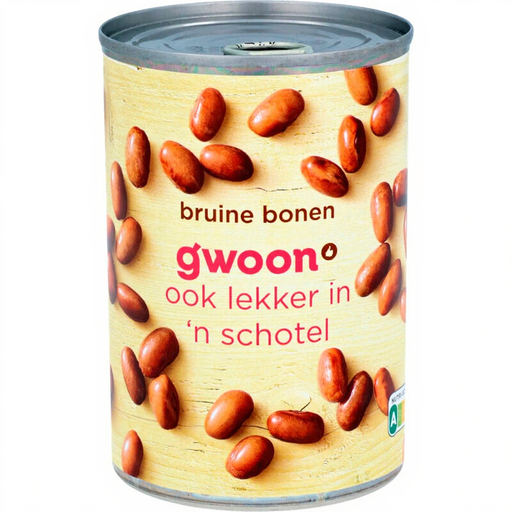
Why it suits this profile: A compact pack containing 100% brown beans is practical for anyone looking for a familiar base for mash, soup or salad.
The ingredients list mentions only brown beans. This means you can immediately see what you are buying, with no syrup or additional flavourings in the stated composition.
400 grams, ready to eat and, according to the product information, free from the 14 main EU allergens.
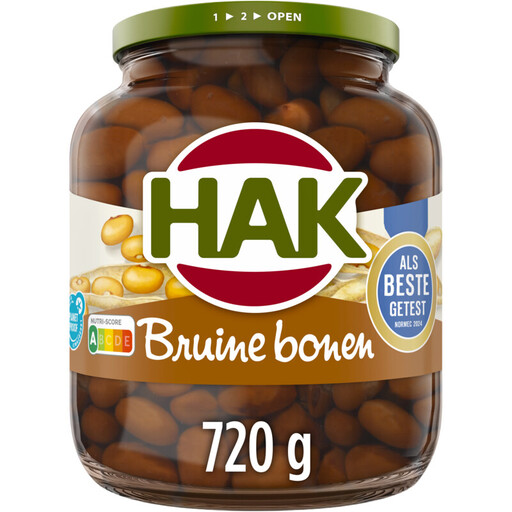
Why it suits this profile: The jar is ideal for households that want to use a larger quantity of brown beans straight away in hot and cold dishes.
The product information specifies the jar weight and ingredients, and includes clear warnings about jars that are swollen, leaking or damaged.
720 grams in a vacuum-sealed glass jar; described as a source of protein and fibre.
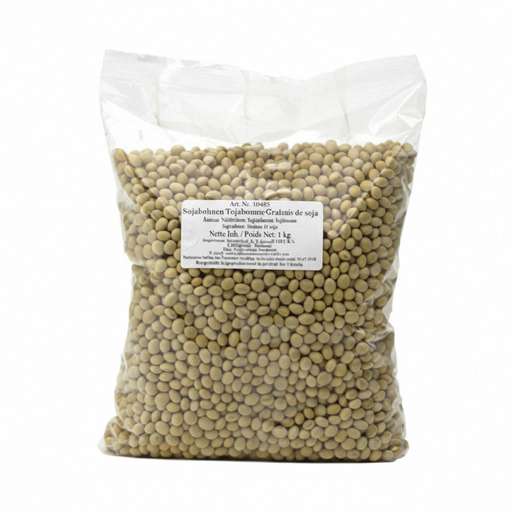
Why it suits this profile: This bag is aimed at anyone who wants to make their own soya milk, tofu, soya paste or other preparations and needs a larger supply to do so.
The product description gives the net weight of 1 kilogram and states that the beans must first be soaked for 8–12 hours. This makes the additional preparation clear in advance.
100% soya beans, 1 kilogram and suitable for vegan and vegetarian preparations. Contains soya; check the current packaging.
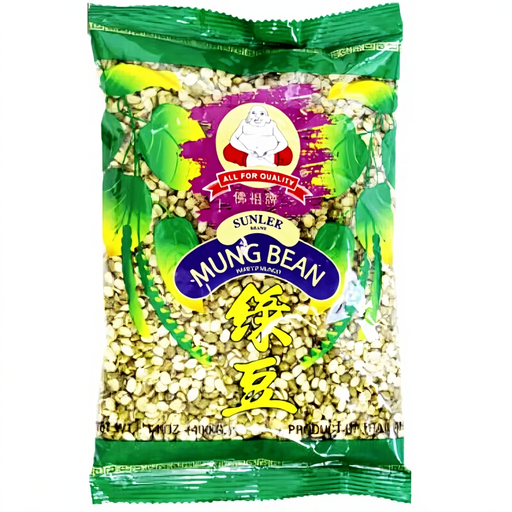
Why it suits this profile: Split mung beans work well in soups, porridge, desserts and savoury Asian dishes, offering a change from ordinary brown beans.
The product information specifies that these are split mung beans with their skins on and states that the pack contains 400 grams.
According to the stated nutritional information, 100 grams contains 23 grams of protein and 16 grams of dietary fibre. The product is described as vegan.
We have put together a complete, up-to-date list of products that fully meet these strict selection criteria and the applicable European safety regulations.
The price per kilogram of dried beans is often lower, but you need to factor in soaking, cooking, water and energy. Tinned or jarred beans may cost more per edible portion, but save preparation time. Where possible, compare the price per drained or prepared weight.
Follow the best-before date on the packaging and store the bag in a cool, dry place away from direct sunlight. Seal the packaging properly to limit moisture and contamination. After opening, an airtight storage jar is practical. Before use, check the beans for unusual smells, insects and damage.
Rinsing is not always essential, but it removes some of the preserving liquid and any excess salt. Drain the beans afterwards. Once a tin or jar has been opened, follow the instructions on the packaging, refrigerate the product and use it within the stated time limit.
