
Vandaag of morgen in huis

Kwaliteit gegarandeerd

Welkomstaanbiedingen ontgrendelen: GRATIS bezorging | Tot 80% korting | Gratis 30 dagen JoyPlus-proefperiode
Download de app
When you search for beans and pulses online, you’ll quickly come across dozens of varieties, pack sizes and preparation methods. A bag of dried beans may look like good value, but it requires more preparation. A tin is quicker, but it can contain extra salt or sauce. And a snack made from peas or edamame suits a completely different occasion.
This practical guide helps you compare mung beans, black beans, kidney beans, chickpeas, black-eyed beans, edamame, green peas and other pulses in a straightforward way.
Dried beans often seem cheaper per gram. Bear in mind that you need to check, rinse, possibly soak and then cook them. That takes time and energy. Tinned beans or a ready-made meal are often more expensive per portion, but they save on preparation.
So don’t just compare the pack – also consider:
“Black beans”, “red beans” or “chickpeas” can refer to dried pulses, preserved beans or a dish with sauce. These products are not interchangeable.
A tin of black beans is usually ready to use after draining and rinsing. Dried beans generally need to be prepared first. A bean dish in tomato sauce also contains other ingredients, such as oil, salt, sugar or spices.
Always check the label, even if the product information says it contains none of the 14 major EU allergens. Some packs are processed in an environment where peanuts, nuts, soya, sesame or gluten may be present.
Also look at the nutritional values per 100g. A pea snack can have very different values to ordinary frozen peas because of oil and seasoning. With a ready meal in sauce, the salt content may be higher than with a product that contains only beans and water.
The format mainly determines how much work you’ll have:
The right bean depends on the dish. Kidney beans generally hold their shape well and work in chilli, stews and salads. Black beans are often used in Latin American dishes, soups and rice meals. Chickpeas are great for hummus, curries and salads.
Mung beans are used in soups, porridge, desserts and sprouting. Whole mung beans and split mung beans differ in texture and cooking time. Black-eyed beans are suitable for stews and rice dishes. Edamame are young soya beans and work well in salads, noodle dishes or as a snack.
A product with a single ingredient is easy to compare. For composite products, look at the full ingredients list. Also check:
The product packaging is the deciding factor if information on a product page and the label differ.
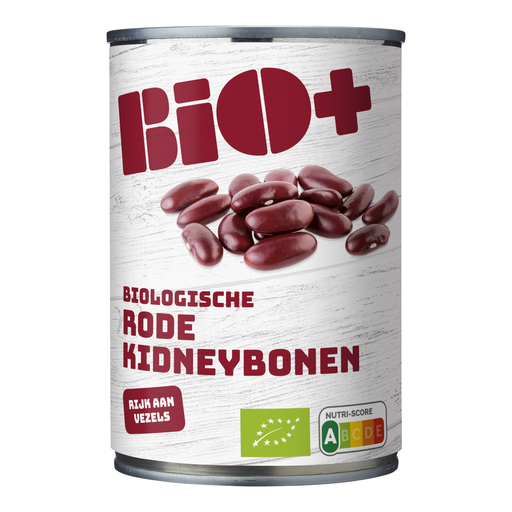
Why this suits the profile: A straightforward pack of red kidney beans in water is a practical starting point for chilli, salads and side dishes. According to the product information, it contains organic kidney beans, water and none of the 14 major EU allergens.
The ingredients list is short, so you’re not relying on an appealing dish name alone. Do check the actual packaging and prepare the product according to the instructions.
400 g pack; organic red kidney beans; according to the label, 7 g protein and 0.01 g salt per 100 g.
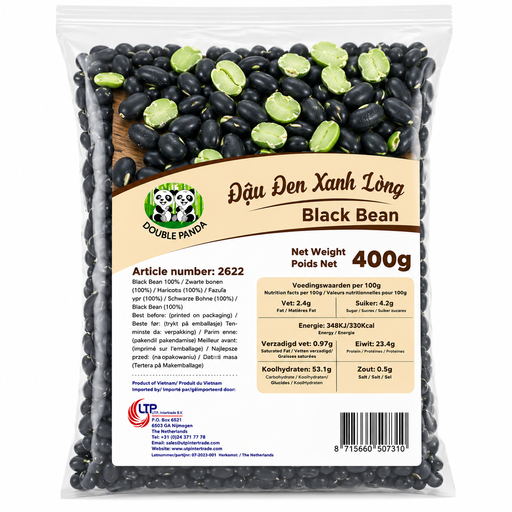
Why this suits the profile: These dried black beans are designed for cooks who want to control the texture and seasoning themselves. They work well in Asian, Latin American and international dishes.
The preparation instructions mention rinsing, soaking for 6–8 hours and then cooking. This makes it clear upfront that it’s not a ready-to-eat product.
100% black beans; 400 g pack; suitable for soups, stews, porridge and desserts.
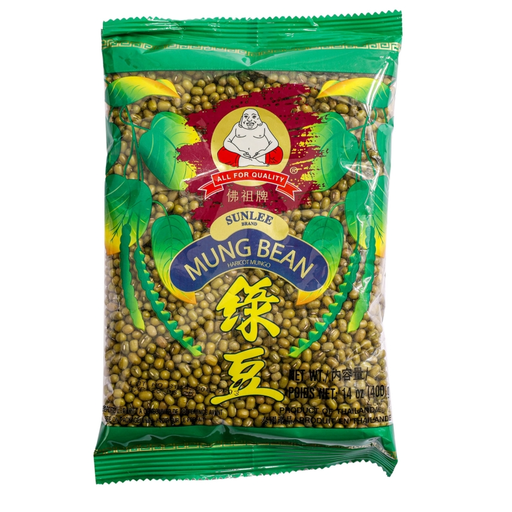
Why this suits the profile: Whole mung beans are ideal for anyone who regularly cooks Asian recipes, mung bean soup, porridge or home-grown bean sprouts.
The product information states the weight, ingredients and storage conditions. This means you can judge whether 400 g suits your needs before you order.
23 g protein and 59 g carbohydrates per 100 g according to the label; free from artificial colours and preservatives according to the product description.
For a quick meal, Goya Black Beans (Can) 439 gr and Goya Black Eye Peas (Can) 439g are practical options. If you’re after chickpeas for rice dishes, salads or soup, you can compare DURU PRATIK NOHUT 400 GR. For frozen meals, Mooijer Soy Seed Edamame - 500 g and g'woon Garden Peas Extra Fine - 800g are worth a look.
With edamame, pay extra attention to soya as an allergen. If you mainly want ready-to-eat food, consider Sera White Beans In Tomato Sauce - 314 ml or Hak Bean Casserole Mexican - 700 g. These products contain sauce and other ingredients alongside the beans. For snacks, Gan Yuan Green Peas Original Flavour 75g and Golden Turtle Edamame Coated with Wasabi 140g are ready to eat, but the nutritional values are clearly different from unseasoned pulses.
We’ve put together a full, up-to-date list of products that fully meet these strict selection criteria and comply with current European safety regulations.
Dried beans usually need to be soaked and cooked. Tinned beans are already prepared, so they’re quicker to use. With tinned products, check the drained weight, salt content and storage instructions after opening.
Store dried beans in a tightly sealed container in a cool, dry place, away from moisture and direct sunlight. Don’t use them if the packaging is damaged, and follow the best-before information on the label.
Tinned beans, frozen peas, edamame and ready-made bean dishes require very little preparation. Chickpeas and black beans from a tin, for example, can go straight into salads, wraps, curries and rice dishes.
