
Vandaag of morgen in huis

Kwaliteit gegarandeerd

Welkomstaanbiedingen ontgrendelen: GRATIS bezorging | Tot 80% korting | Gratis 30 dagen JoyPlus-proefperiode
Download de app
Basmati rice is a popular choice for curries, biryani, pilaf and everyday meals. However, choosing the right variety online can be challenging. Packaging that promises “extra long”, “premium” or “naturally aromatic” does not always tell you enough about the cooking characteristics, pack size or suitability for your household.
Pay particular attention to three common pitfalls:
If you want fluffy basmati rice with separate grains, look for extra-long grains and a product description that mentions a non-sticky texture. The final result still depends on how the rice is prepared: too much water, insufficient rinsing or overcooking can make any rice softer and stickier.
Extra-long basmati rice is particularly well suited to dishes where the grains should remain clearly defined, such as biryani, pilaf and pulao. For serving alongside a curry, a standard long-grain variety is also perfectly suitable.
Pay attention to the differences between:
A 5 kg bag of basmati rice is a practical mid-size option for families and regular home cooks. A 10 kg bag is better suited to households that eat rice several times a week, caterers or small commercial kitchens. A 20 kg bag makes the most sense when consumption is high and you have sufficient storage space.
Do not compare only the total price. Also consider:
A large bag is only economical if the rice remains dry, cool and protected from moisture during storage. After opening, you can transfer the rice into airtight food-storage containers if needed.
Many products list only 100% basmati rice as the ingredient. Always check the label on the packaging you receive, as online information may differ from the current packaging. If you have allergies, it is important to review the allergen information again. For example, Mehnat’s product information includes a nut warning, while the ingredients list names basmati rice.
Claims about aroma, ageing or cooking performance should also be read carefully. According to India Gate’s own product information, the rice is naturally aged and the grains remain separate after cooking. This is a brand claim, not a universal guarantee. The final texture also depends on rinsing, the water ratio, cooking time and resting time.
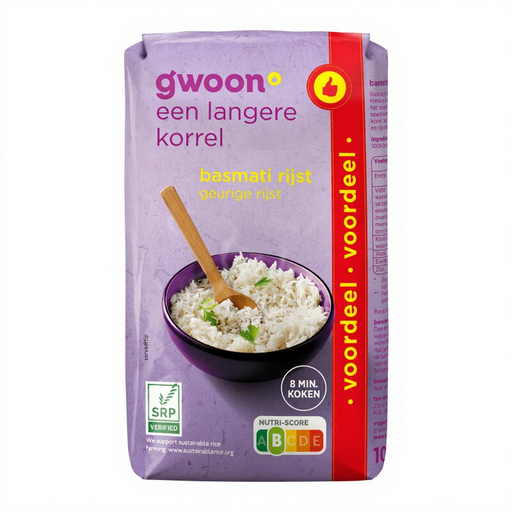
Why it suits this profile: A 1 kg pack is a manageable choice for anyone trying basmati rice for the first time or cooking rice infrequently.
You are less likely to waste rice by starting with a large pack. The listing specifies 100% basmati rice and a net weight of 1 kg.
Compact size, easy to store and suitable for a range of dishes.
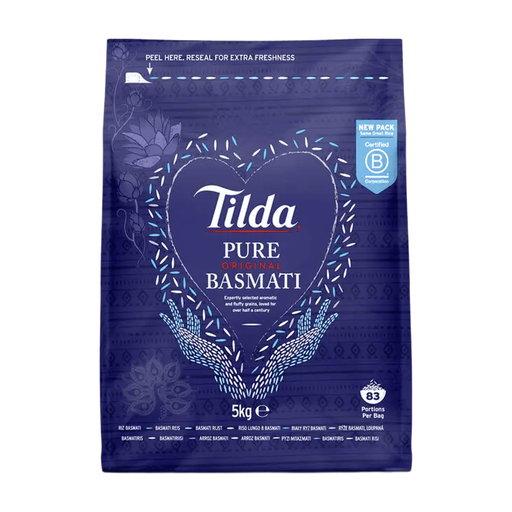
Why it suits this profile: The 5 kg pack is well suited to families and home cooks who regularly prepare Indian or South Asian dishes.
The product information specifies pure basmati rice, an origin in India and a cooking time of 10 to 12 minutes. Check the current packaging for the latest details.
A 5 kg supply, clear preparation instructions and, according to the listing, suitability for curries and biryani.
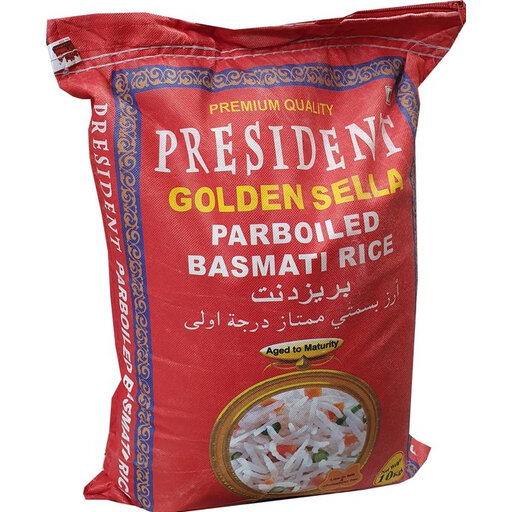
Why it suits this profile: The large pack size and parboiled texture are a strong fit for caterers, restaurants and households with high rice consumption.
The product page explicitly identifies it as parboiled Golden Sella basmati rice. This makes the distinction from regular white rice clearer at the point of purchase.
A 20 kg pack and parboiled grains that, according to the product description, are better able to withstand cooking and stirring.
We have compiled a complete, up-to-date selection of products that meet these strict criteria and comply with applicable European safety regulations.
For a non-sticky result, technique and resting time are just as important as the brand:
When preparing basmati rice for biryani, a brief soaking period can help the long grains cook more evenly. For basmati rice used in pilaf, the rice is often lightly fried first before stock or water is added. Always follow the instructions for the specific product.
Extra-long white basmati rice is a popular choice for biryani because the long, separate grains remain clearly visible. Golden Sella basmati rice can also be suitable when you prefer a firmer grain that, according to the product information, can withstand stirring. Check the preparation instructions and adjust the cooking time accordingly.
Unopened rice generally remains suitable for consumption until the date shown on the packaging. Once opened, seal the bag securely and store it in a cool, dry place. Before use, check the rice for moisture, an unusual smell or damaged packaging. The date and storage instructions on the current packaging take precedence.
That depends on the price per kilogram, your consumption and your storage facilities. A large pack can be practical for families, caterers and restaurants, but is less suitable if you eat little rice or do not have adequate dry storage space. Compare the price per kilogram and choose a pack size you can use within a reasonable period.
