
Vandaag of morgen in huis

Kwaliteit gegarandeerd

Welkomstaanbiedingen ontgrendelen: GRATIS bezorging | Tot 80% korting | Gratis 30 dagen JoyPlus-proefperiode
Download de app
By Joybuy Product Recommendation Officer, July 28, 2026
A warm, soft steamed bun in your hands, ready for that first bite. The promise of a delicious filling, savoury or sweet. But the reality can be quite different: a dry, doughy bun with a disappointingly small amount of filling. This happens to many who buy frozen bao buns online or from an Asian market.
The selection of Asian snacks is enormous, but not every product delivers the authentic experience you're looking for. Before you fill your freezer, it's helpful to know what to watch out for. We'll discuss a few common pitfalls:
To avoid these disappointments, it's useful to know a few basic principles. Pay attention to the following two points the next time you're considering frozen dim sum or Chinese buns.
The filling defines the bun's identity. Whether you opt for savoury or sweet, the quality of the ingredients is crucial.
The dough of a bao bun should be soft, light, and slightly springy. It's the perfect vessel for the filling. A bun without a filling is called a mantou and is a good indicator of the dough's quality. If a brand can make a good mantou, chances are their filled buns will also have a pleasant texture. The dough should not feel sticky or dry after steaming.
Based on product specifications and ingredients, we have selected a few options that cater to different preferences.
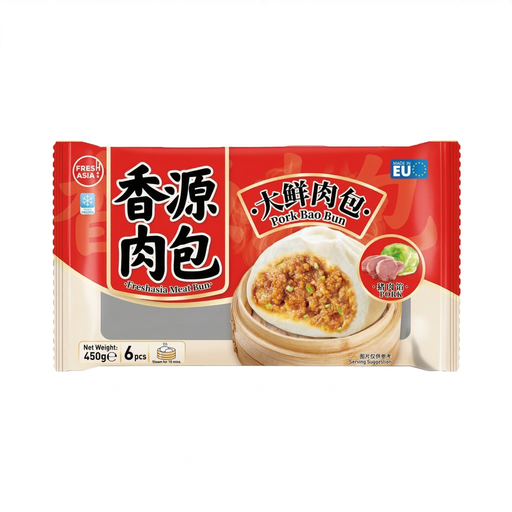
Why This Fits Their Persona: Ideal for those seeking a quick, satisfying, and classic savoury meal or snack. The combination of pork and cabbage is a traditional flavour that many appreciate, perfect for a busy day.
This product tackles the pitfall of a skimpy filling. According to the specifications, it contains 21% pork, ensuring a good balance between the dough and a juicy, flavourful filling.
Classic, juicy pork filling. Quick and easy to prepare by steaming, ideal for breakfast or lunch.
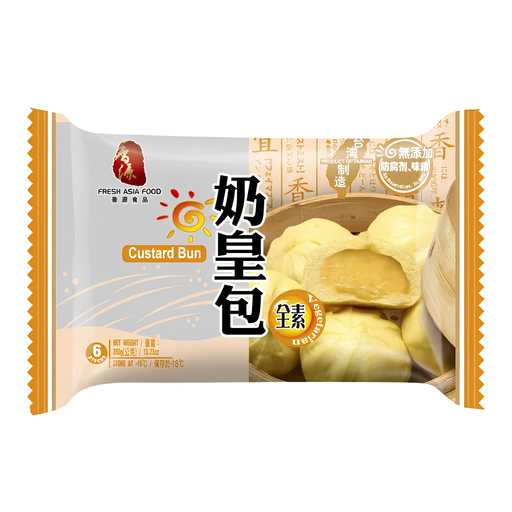
Why This Fits Their Persona: For the sweet tooth looking to recreate the dim sum experience at home. Perfect as a dessert, with tea, or as a sweet breakfast. A classic that never disappoints.
This bun avoids the pitfall of a bland, watery filling. The ingredients list mentions custard powder, egg yolk powder, and milk powder, which indicates a creamy and rich flavour.
Rich, creamy custard filling. The dough is soft and light, pairing perfectly with the sweet filling.
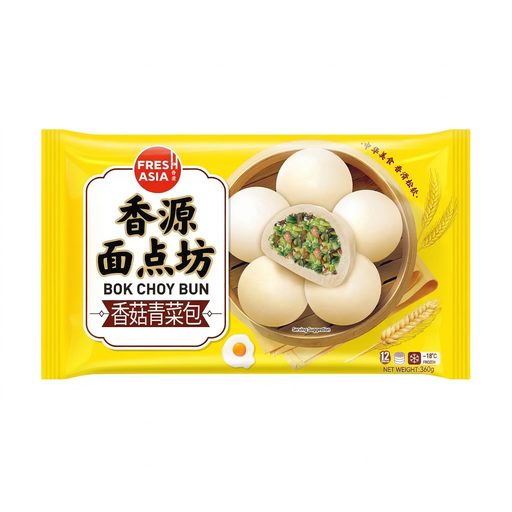
Why This Fits Their Persona: For those looking for a flavourful, vegetarian option. Suitable as a light meal or as part of a larger dim sum selection, without compromising on taste.
This product avoids the pitfall of a dull vegetable filling. The combination of mushrooms and various vegetables, seasoned with soy sauce, garlic, and ginger, creates a complex and aromatic flavour.
Fully vegetarian filling. The description states the buns are handmade, which can contribute to a superior texture.
We've curated a complete, up-to-date list of products that meet these selection criteria. From savoury to sweet, and from classic to modern.
No steamer basket? No problem. You can use a large pot with a lid. Fill the pot with a shallow layer of water (about 1 inch / 2-3 cm). Place a heatproof colander or a metal rack inside the pot, making sure the water doesn't touch the rack. Place the frozen buns on the rack (on a piece of parchment paper to prevent sticking), bring the water to a boil, and cover the pot with the lid. Steam the buns according to the package directions.
These terms are often used interchangeably, but there are slight differences.
Some packages indicate that microwave preparation is possible. It's fast and convenient, but the result is often inferior to steaming. The microwave can make the dough tough or soggy. For the softest, fluffiest texture, steaming remains the recommended method.
