
Vandaag of morgen in huis

Kwaliteit gegarandeerd

Welkomstaanbiedingen ontgrendelen: GRATIS bezorging | Tot 80% korting | Gratis 30 dagen JoyPlus-proefperiode
Download de app
Buying a backpack seems straightforward, until you realise every day that the shoulder straps dig in, your laptop does not fit properly or your belongings end up mixed together. Marketing terms such as “water-repellent”, “lightweight” and “large capacity” do not always tell you enough either. The product description, dimensions and layout determine whether a backpack really suits the way you intend to use it.
A water-repellent backpack can help keep out light rain and splashes. That does not automatically mean the bag can cope with prolonged heavy rain, submersion or water entering through the zips. Therefore, check:
Many models are designed to protect against short showers. For electronics, consider using a separate cover or waterproof inner pouch.
A backpack for a 15.6-inch laptop sounds suitable, but laptops vary in edge thickness and casing. A laptop compartment may be too tight, while a large main compartment may offer little protection. So do not look only at the screen size; also check:
Are no internal dimensions provided? It is then better to compare your laptop’s measurements with the product dimensions or ask for more information before buying.
A spacious backpack is useful for clothes, sports equipment or travel essentials, but a large bag can become unnecessarily heavy and difficult to organise. For commuting, 10 to 20 litres is often enough for a laptop, lunch and a few accessories. For a day trip, 20 to 30 litres may be a better fit. A hiking backpack or trekking model of 40 litres or more is mainly intended for larger quantities of equipment.
Also consider the difference between capacity and carrying comfort. In practice, a 30-litre backpack with poor organisation can be less useful than a well-organised bag with a smaller capacity.
Choose the capacity based on what you usually carry:
An expandable backpack is useful if your bag is mostly empty on some days but you need extra space on others. Check how many litres the bag offers in its standard and expanded configurations. For example, the Beneunder LC183 has a capacity of 10 litres in its standard configuration and 13 litres when expanded, an increase of 30 per cent according to the product description.
A lightweight backpack is comfortable for cycling, train journeys and longer walks. Do not focus solely on the weight; also consider the shape of the shoulder straps, the back panel and any chest or hip straps.
According to the product description, the Beneunder LC183 weighs 8.3 oz, equivalent to approximately 235 grams. The bag uses nylon and has twin shoulder straps with pressure distribution, according to the manufacturer. The Salomon Trailblazer 30 is described as having a breathable mesh back panel and mesh shoulder straps. These are verifiable product features; how comfortable they feel depends on your build, adjustment and how the bag is packed.
For more demanding walks, an adjustable chest strap, hip belt and ventilation space are more important than a low base weight alone. A lightweight bag that does not sit securely can be less comfortable when heavily loaded.
A backpack with multiple compartments helps prevent keys, cables and documents from disappearing to the bottom. Check whether the compartments suit the items you carry:
A foldable backpack is useful as a spare bag during a city break or holiday. Bear in mind that these models generally offer less structure and protection than an everyday laptop backpack.
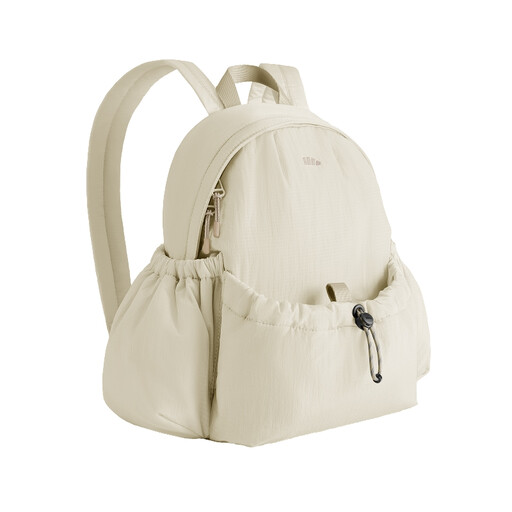
Why it suits this profile: The compact capacity and low stated weight make it suitable for everyday commuting, short trips and light walks.
The capacity is stated for both the standard and expanded configurations, so you know in advance how much space is available. The manufacturer describes the material as resistant to wind, rain and stains; this should be understood as protection against splashes, not a guarantee of complete waterproofing.
10 to 13 litres of capacity, a stated weight of 8.3 oz, an expandable design and multiple storage compartments according to the product information.
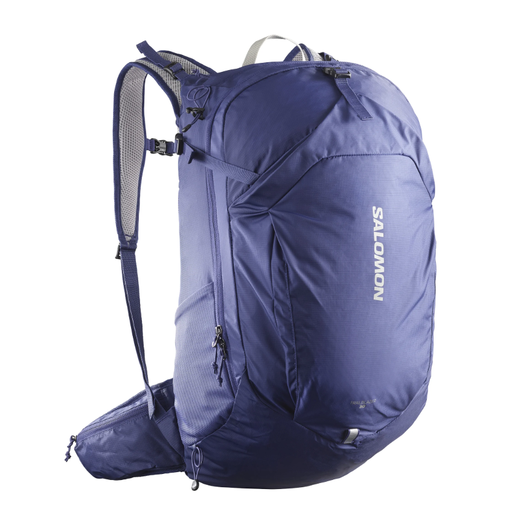
Why it suits this profile: The 30-litre capacity is suitable for day trips, city breaks and occasions when you want to carry clothing, food and extra layers.
The product description states 30 litres and multiple compartments, making the capacity and layout clearer than on models that only use the term “large capacity”.
30 litres of capacity, nylon and polyester fabric, breathable mesh in the back panel and shoulder straps, plus a stated statutory EU guarantee of at least two years.
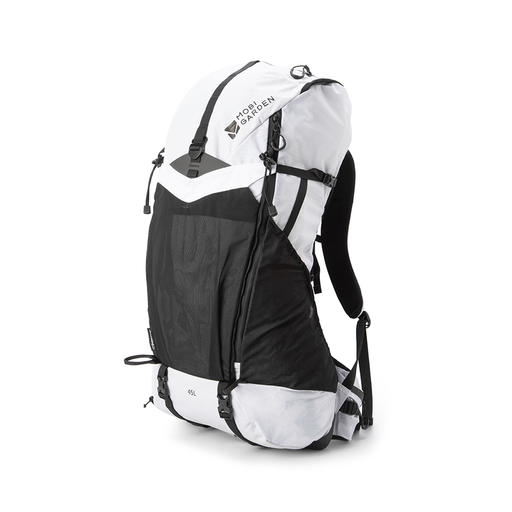
Why it suits this profile: This hiking backpack is designed for trekking and lightweight backpacking, with a 45-litre capacity and features for longer trips.
The layout is specified with a waterproof hydration compartment, side pockets, attachment points, and an adjustable chest strap and hip belt. This makes its intended use clearer than a general outdoor claim.
45 litres of capacity, Dyneema composite material, a 3D-ventilated back panel, approximately 1.35 kg and a separate hydration compartment according to the product details.
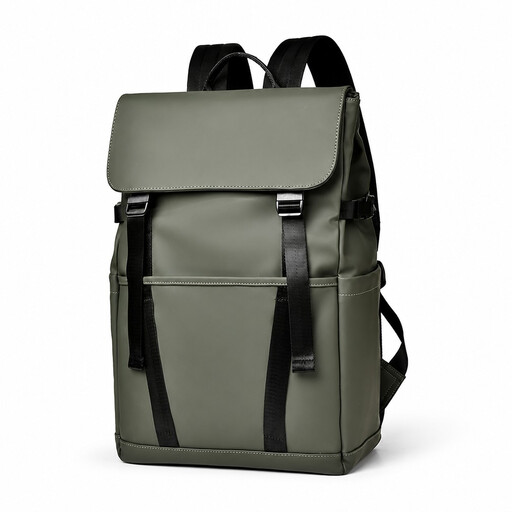
Why it suits this profile: The stated 15.6-inch laptop size, multiple compartments and luggage strap make it suitable for the office, school, train journeys and business trips.
The product name specifies a 15.6-inch laptop compartment and the bag has multiple compartments according to the description. Even so, check your laptop’s actual dimensions and the compartment’s level of protection before buying.
Suitable for a 15.6-inch laptop according to the product listing, water-repellent exterior, multiple compartments and luggage strap.
We have put together a complete, up-to-date list of products that fully meet these strict selection criteria and the applicable European safety regulations.
For a laptop, charger, lunch and personal belongings, 10 to 20 litres is usually sufficient. If you also carry sportswear or shoes, look at 20 to 30 litres. Above all, check the layout: a large capacity without a laptop compartment or smaller organisation pockets can be impractical.
Always follow the manufacturer’s care instructions. For the Beneunder LC183, it is recommended that you wipe the surface with a damp cloth and leave the bag to air-dry. Avoid the washing machine and direct heat unless explicitly permitted. This helps limit wear to coatings, seams and structural components.
Its lifespan depends on the material, zips, seams, carrying weight and conditions of use. A bag that is heavily loaded every day will wear out faster than one used for lighter items. Look out for loose stitching, damaged zips and worn shoulder straps. Use the bag within its stated capacity and store it somewhere dry.
