
Vandaag of morgen in huis

Kwaliteit gegarandeerd

Welkomstaanbiedingen ontgrendelen: GRATIS bezorging | Tot 80% korting | Gratis 30 dagen JoyPlus-proefperiode
Download de app
Choosing a new backpack seems straightforward until you have to compare capacity, carrying comfort, compartments and material. If you only look at a low price or an appealing product photo, you could end up after a few weeks with an inconvenient layout, insufficient protection from rain or a model that is simply too heavy.
When buying a backpack, these three pitfalls are particularly important:
Start by considering how you will use the backpack, and only then look at the number of compartments or its appearance.
A foldable backpack is useful as a spare in a suitcase or cycle bag. However, check that its compact construction provides enough support when heavily loaded. With an expandable backpack, it is sensible to check both the standard and expanded capacities. This prevents you from carrying an unnecessarily large bag every day.
Shoulder straps should be adjustable and sufficiently wide to sit comfortably. For a hiking or walking backpack, a chest strap, hip belt and breathable back panel are also useful. These features help distribute the load more evenly, although carrying comfort still depends on your body shape and how the backpack is packed.
Place heavy items close to your back. Then tighten the shoulder straps first, adjust the chest strap and use the hip belt when carrying a heavier backpack. A backpack without adjustable features may be perfectly suitable for everyday use, but it is less flexible for longer walks.
Nylon, polyester and coated Oxford fabric are widely used. Do not just look at the material name; also check the description of the protection provided:
If in doubt, store electronics and documents in a separate protective cover. A water-repellent backpack is not automatically suitable for prolonged rain while cycling.
A backpack with several compartments makes small items easier to reach, but too many compartments can reduce the usable main storage space. So check whether there is room for the things you actually carry: a laptop, A4 documents, lunch box, water bottle or walking equipment.
For a work and school backpack, a padded laptop compartment, sturdy base and easily accessible front pocket are practical features. For a trekking backpack, a hydration bladder compartment, attachment points and side bottle pockets are often more important.
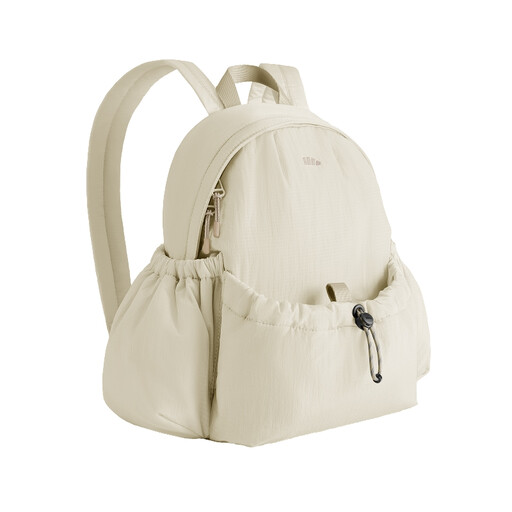
Why it suits this profile: According to the product information, the 10-litre capacity can be expanded to 13 litres. This makes it suitable for daily journeys, short trips and light commuting.
The standard and expanded capacities are clearly stated. According to the product description, the bag is lightweight and designed to be cleaned with a damp cloth; check the limits of its rain protection.
8.3 oz according to the product information, expandable by 30 per cent and fitted with hidden pockets and adjustable shoulder straps.
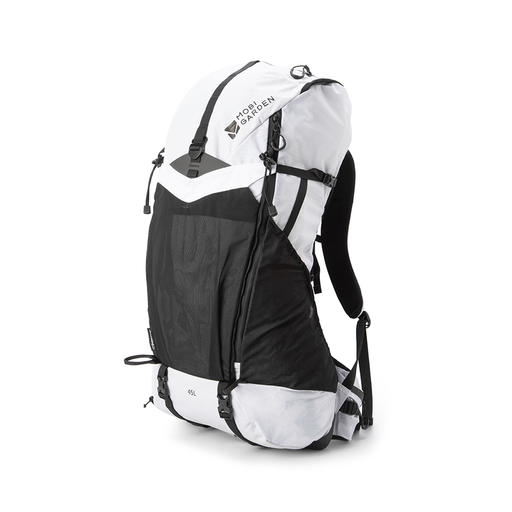
Why it suits this profile: According to the product information, this model is designed for backpacking, hiking and trekking, with a capacity of 45 litres and a ventilated 3D back panel.
The specifications list a chest strap, hip belt, hydration bladder compartment and external attachment points. This makes it possible to assess the carrying system before buying.
Dyneema composite fabric according to the product information, weighing approximately 1.35 kg and offering space for light equipment for several days.
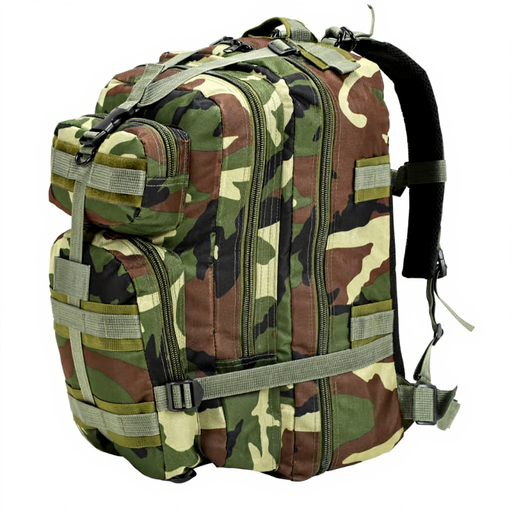
Why it suits this profile: The 50-litre capacity, compression strap and removable chest and hip belts are designed for travelling, walking and outdoor activities with more luggage.
The product information states a weight of 1.15 kg, four compartments and coated Oxford fabric. This allows you to compare capacity, organisation and material before buying.
50 litres, two zipped front pockets, adjustable straps and a mesh back panel according to the product specifications.
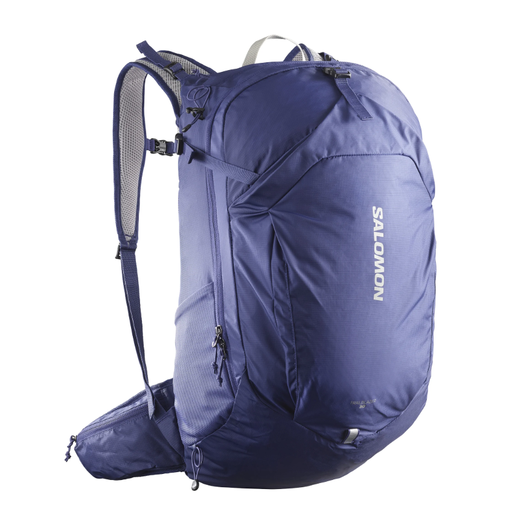
Why it suits this profile: A 30-litre capacity is suitable for day trips, city outings and everyday use when you need to carry more than fits in a compact unisex backpack.
The product description mentions an ergonomic design, breathable mesh on the shoulder straps and back panel, plus several compartments for organisation.
30 litres, nylon and polyester fabric, and several storage compartments according to the product information.
We have put together a complete, up-to-date list of products that fully meet these strict selection criteria and the applicable European safety regulations.
For commuting, a capacity of around 10 to 30 litres is often practical. Choose a model with a well-organised layout, adjustable shoulder straps and enough room for a laptop, lunch and waterproof jacket. If you regularly carry sports kit, it may be better to choose something closer to 30 litres.
Its lifespan depends on the material, zips, load, frequency of use and maintenance. Do not overfill the bag, store it in a dry place and follow the manufacturer’s cleaning instructions. The products in this overview state a statutory minimum two-year warranty according to the product information; this is separate from normal wear and tear or damage caused by incorrect use.
No. A larger backpack offers more space, but it can also encourage you to carry more. For a 45- or 50-litre model, a hip belt, chest strap and correct adjustment are important. For a light everyday load, a compact, lightweight backpack may be more comfortable than a large outdoor model.
