
Vandaag of morgen in huis

Kwaliteit gegarandeerd

Welkomstaanbiedingen ontgrendelen: GRATIS bezorging | Tot 80% korting | Gratis 30 dagen JoyPlus-proefperiode
Download de app
Buying baby products online seems straightforward, until you have to choose from dozens of sizes, materials and multipacks. A low price per pack doesn’t always mean a lower cost per use. And a product with lots of marketing claims won’t necessarily suit your baby, toddler or daily routine.
The most common purchasing mistakes come down to three pitfalls:
For nappies and children’s night pants, the stated weight ranges are a practical starting point. For example, BC Babycare Royal Nappies Size 4 are designed for 9–14 kg, while Size 5 is suitable for 12–17 kg. If your child’s weight falls within both ranges, consider their build, how active they are and how the nappy fits around their legs.
For nappy pants, it’s also worth considering how you change your child. Pants pull on like underwear, while a traditional nappy with adhesive tabs is often more convenient for a newborn. According to the product description, Pampers Baby-Dry Pants have a flexible waistband and tear-away sides. Always check that the size matches your child’s current weight.
Marketing terms such as “extra soft” or “maximum protection” are only useful when you check the product specifications too. Look out for:
For example, the product information for Pampers Sensitive Baby Wipes states that they’re fragrance-free and alcohol-free, suitable from birth and dermatologically tested. These are verifiable product features, but every baby’s experience may differ. Don’t flush wipes down the toilet, even if the packaging suggests otherwise.
A baby bottle is more than just a container. Check the capacity, neck shape, teat size, flow rate and cleaning instructions. The 170 ml Difrax Natural S-bottle comes with an S teat for use from birth. The Medium teat in the Difrax Natural Bottle Teat pack is designed for babies aged 3 months and over, and for thin or slightly thickened feeds.
According to the product information, this teat fits narrow Difrax S-bottles of 170, 240 and 250 ml. It isn’t designed for the Wide versions. Before every feed, check the teat for cracks, stickiness or signs of distortion. Never use a feeding teat as a dummy, and follow the cleaning and sterilising advice on the packaging.
When using formula, such as Nutrilon 1 for 0–6 months, it’s important to follow the preparation instructions on the label. According to the manufacturer’s product information, breastfeeding remains the recommended way to feed your baby when it’s possible and right for you. If you have questions about feeding, allergies or switching to bottle-feeding, speak to your health visitor or another healthcare professional.

Why it suits this profile: A pack of 40 nappies is a manageable size for parents who want to try a size before building up a much larger supply.
The size is matched to 9–14 kg, so you don’t have to choose based on age alone. Check the fit before buying several packs.
40 nappies per pack, a stated weight range of 9–14 kg and an absorbent core with SAP, according to the product information.

Why it suits this profile: A good choice for parents who want a larger supply while also paying attention to fit, material information and certification.
The pack is size 4 and contains 174 nappies. Check that this size fits well before choosing a month’s supply.
According to the manufacturer, this model features a Stop & Protect pocket, an absorbent core, OEKO-TEX certification and no EU fragrance allergens.
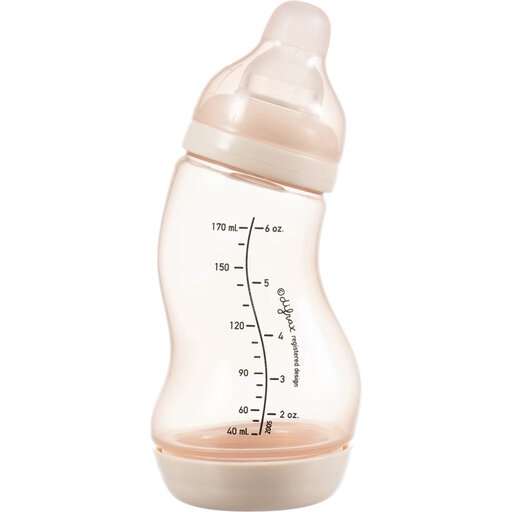
Why it suits this profile: A practical choice for parents looking for a compact bottle for newborns, with parts that can be taken apart and cleaned regularly.
The bottle comes with an S teat for newborns, so you don’t need to order a separate feeding teat that might not fit.
170 ml capacity, BPA-free polypropylene and a detachable base, according to the product description.
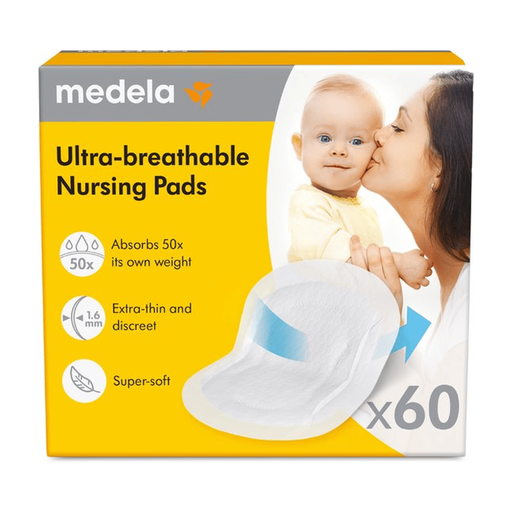
Why it suits this profile: Handy for mums who want to carry nursing pads in their changing bag, take them to work or bring them along on longer outings.
The pads are individually wrapped. You can change them when they feel damp and carry unused ones hygienically.
60 disposable pads with a wide adhesive strip, a waterproof backing and a slim design, according to the product information.
We’ve put together a full, up-to-date list of products that meet these strict selection criteria and the applicable European safety regulations.
Start with a small supply of baby nappies, baby wipes, nappy wipes, a few baby bottles and suitable baby teats. Add nursing pads if you’re breastfeeding. Don’t buy large quantities of just one size or brand straight away; fit and skin reactions can vary from child to child.
Their lifespan depends on the material, use and care. Check teats before every feed and replace them as soon as you notice cracks, distortion, stickiness or wear. Always follow the product packaging for sterilising and cleaning instructions. A bottle may last longer than a feeding teat, as the teat is directly exposed to wear and tear.
Divide the total price by the number of nappies, wipes or pads. Then compare the size, how many changes you need each day and the likelihood of waste. A monthly box of 174 Pampers nappies may seem like good value, but only if your child stays in the same size throughout the month. When buying baby care products, look beyond the price per pack and consider the price per usable item.
