
Vandaag of morgen in huis

Kwaliteit gegarandeerd

Welkomstaanbiedingen ontgrendelen: GRATIS bezorging | Tot 80% korting | Gratis 30 dagen JoyPlus-proefperiode
Download de app
Buying baby products sounds straightforward, until you have to choose from dozens of sizes, materials and multipacks. A low price per item isn’t always a good deal if your baby quickly outgrows the size. Terms such as “extra soft”, “ergonomic” or “12-hour protection” only tell you so much: check the product specifications and safety warnings too.
In this guide, the Joybuy Product Recommendation Officer highlights what to look out for when buying baby essentials – from baby nappies and baby wipes to baby care products, sleeping bags and baby carriers.
A large pack of baby nappies or nappy pants may seem like good value, but babies don’t always grow at a steady rate. Check the recommended weight and fit first. A nappy that’s too tight can leak around the legs, while one that’s too loose may not fit properly around the back or tummy.
As well as the size, check the number of items and work out the price per nappy. A larger pack can be convenient for everyday use, but avoid buying too much if your baby is close to moving up a size.
Brands use terms such as “dermatologically tested”, “hypoallergenic” and “gentle”. These descriptions don’t guarantee that every child will react in the same way. Read the ingredients, check whether the product contains perfume or alcohol, and stop using it if redness or irritation occurs.
According to Pampers’ own information, Sensitive Baby Wipes are alcohol- and perfume-free and dermatologically tested. These are product features you can check, but every baby’s experience may differ.
For a baby sleeping bag, carrier, changing table or baby bath, age, weight, measurements and instructions matter more than appearance alone. For example, check that:
For nappies, focus on your baby’s weight and the fit. Pampers Baby Dry Pants are available in sizes including 5, 6 and 8. The available monthly boxes contain 160, 138 and 117 pants respectively. Nappy pants are particularly practical when your child is very active or changing them while they’re lying down becomes difficult.
For a baby carrier, the minimum and maximum weight limits are essential. According to the product information, the Momcozy carrier is designed for babies weighing approximately 3.18 to 19.96 kg, and aged around 3 to 24 months. The carrier is described for front carrying only. Always check that your baby’s face remains visible and their airways are clear.
For textiles, check the fibres, washing instructions and any certifications. According to the product description, the Vowia sleeping bag is made from cotton with a polyester filling and has a 2.5 TOG rating. The manufacturer recommends using it at a room temperature of approximately 16 to 20 °C. TOG indicates thermal insulation; it isn’t an automatic guarantee against overheating.
The manufacturer also lists OEKO-TEX Standard 100 and compliance with EN 16781. Always check the label and packaging, as product information may change. Don’t use a sleeping bag with extra blankets, and follow the warnings to place your baby on their back to sleep.
Small details can make a difference in your daily baby care routine. Baby wipes with a resealable lid are less likely to dry out quickly. A changing table with storage keeps nappies, wipes and clothes within easy reach, but never leave your baby unattended on the table.
For a baby bath, check for anti-slip features, size, portability and how to empty it. For a baby play mat, the material, cleaning instructions and stability of the connections are important. If you’re buying foam tiles, also make sure that small loose parts are kept out of your baby’s reach.

Why it suits this profile: A large pack is practical for families who already know which size fits and regularly use nappy pants.
The size is clearly stated and the pack contains 160 pants. Before buying, check that size 5 is still right for your child’s weight and fit.
360° stretchy waistband, tear-away sides and, according to Pampers, 0% EU fragrance allergens.
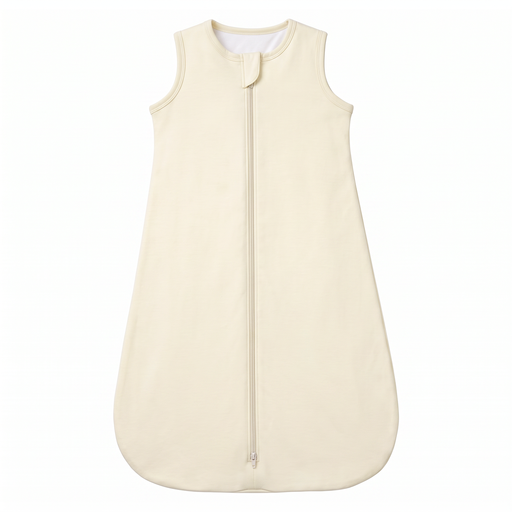
Why it suits this profile: A good option for parents who consider the material, size range, TOG rating and safety warnings when choosing a baby sleeping bag.
The product information gives a size range of 6–12 months, a height of 66–76 cm and a weight of 7.3–10.9 kg. This means you can check the fit in advance.
2.5 TOG, cotton outer fabric and a two-way zip; the manufacturer lists OEKO-TEX Standard 100 and EN 16781.
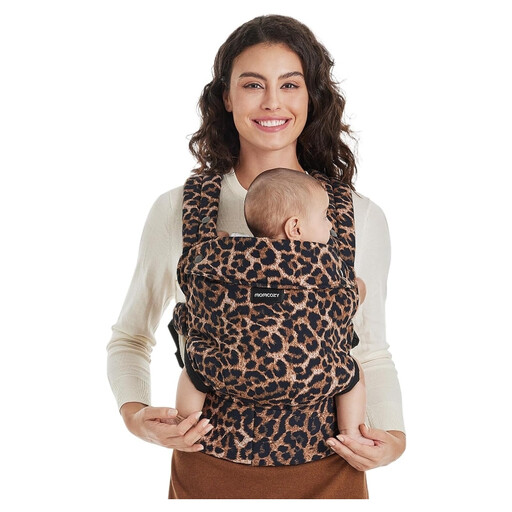
Why it suits this profile: Handy for walks, travel and everyday tasks when you want to keep your baby close and your hands free.
The product information gives a carrying weight range of 3.18–19.96 kg and advises supervising your baby, fastening the buckles securely and keeping their airways clear.
100% cotton, adjustable straps, machine washable and designed for front carrying.
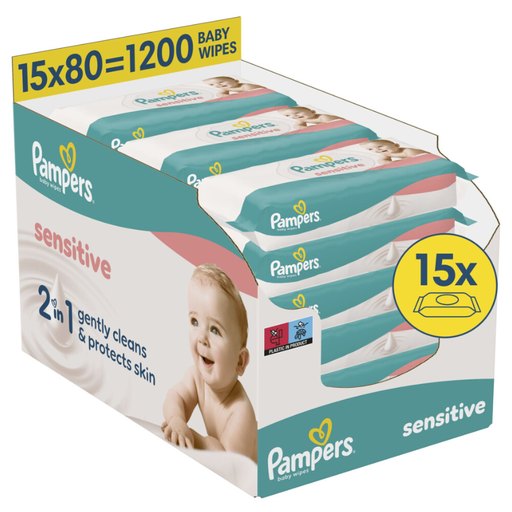
Why it suits this profile: A supply of 1,200 baby wipes works well for families who change nappies frequently and have several places at home for baby care.
The packaging says the wipes can be used from birth and have an alcohol- and perfume-free formula. If your baby has sensitive skin, test them carefully first and stop using them if irritation occurs.
1,200 wipes, a pH-balancing formula according to the product information, and a closure to help prevent them from drying out.
We’ve put together a complete, up-to-date list of products that meet these strict selection criteria and the applicable European safety requirements.
Start with a few essentials: nappies in the right size, baby wipes or cotton cloths, clothes, a safe sleep solution and products for everyday baby care. You can add a baby bath, changing table or baby carrier once you know how you’ll use it at home. For baby food, always follow the age guidance and information on the label.
It depends on the product. Nappies and wipes have expiry or packaging information, so check this before use. A baby sleeping bag remains suitable as long as it fits properly and shows no signs of wear. Check carriers, buckles, seams, zips and changing tables regularly for damage. Replace a product if the instructions, size or maximum weight capacity are no longer suitable.
Compare the price per item, but also consider the size, quantity and shelf life. Buy multipacks mainly for products you already know, such as nappies in the right size or baby wipes. For baby food and care products, also check allergens, ingredients, age guidance and storage instructions. That way, you won’t pay for supplies you can’t use.
