
Vandaag of morgen in huis

Kwaliteit gegarandeerd

Welkomstaanbiedingen ontgrendelen: GRATIS bezorging | Tot 80% korting | Gratis 30 dagen JoyPlus-proefperiode
Download de app
Buying baby products seems straightforward, until you have to choose from dozens of sizes, pack options and product claims. A large box isn’t automatically better value, and a label such as “for sensitive baby skin” only tells you so much unless you also check the ingredients and certifications.
As a Joybuy Product Recommendation Officer, I look past the marketing language and focus on practical information. Here’s what to consider when choosing nappies, baby wipes and other everyday baby-care products.
A monthly box of nappies can bring down the price per nappy, but babies grow quickly. If you buy too many nappies in a size that’s nearly too small, some may go unused. So always check:
A nappy should fit snugly without feeling tight. For an active child, nappy pants can be more practical than nappies with fastening tabs.
A label such as hypoallergenic nappies or “dermatologically tested” is useful product information, but it doesn’t guarantee that every baby will react in the same way. According to Pampers’ product descriptions, several models are dermatologically tested and free from EU-regulated fragrance allergens. These are verifiable features of the specific product, not a general guarantee for every baby’s skin.
Check the full ingredients list too. This applies, for example, to lotions, fragrances and plant extracts in baby-care products. Stop using the product if redness or irritation occurs, and ask a healthcare professional for advice if symptoms persist.
With baby wipes, the total number of wipes isn’t the only thing to consider. Also check:
WaterWipes baby wipes, for example, are described as containing mostly purified water and a small amount of grapefruit extract. The manufacturer’s product information recommends using an opened pack within the stated period. Don’t assume that wipes are flushable either: according to the product instructions, used wipes should go in the bin, not down the toilet.
When choosing nappies, start with your baby’s weight, then think about how you’ll use them. Models with a navel-friendly cut-out are practical for newborns. For active toddlers, Pampers nappy pants with an elasticated waistband may be easier to pull on.
The products available offer a range of options:
Check the current size guidance on the packaging. Weight is a guide; your baby’s shape and how often the nappy leaks will ultimately determine whether it fits well.
Look for technical details such as an absorbent core, elasticated leg cuffs and a protective pocket at the back. Pampers describes several models as having a “Stop & Protect” pocket and a core that absorbs moisture quickly. Statements such as “up to 12 hours of protection” are brand claims based on the brand’s own product information. Treat them as product specifications, not a promise for every situation.
Different models may suit daytime, night-time or active use. Change nappies according to the instructions, and don’t wait solely for the maximum time stated on the pack.
OEKO-TEX Standard 100 means that, according to the stated certification, the product has been checked for certain harmful substances. The certification doesn’t mean that a product will suit every child. Pampers Harmonie also mentions cellulose from FSC-certified forests and other controlled sources.
For baby wipes, you can look for:
For baby formula, such as Nutrilon 1, always check the age guidance, allergens and preparation instructions on the packaging. Products containing milk, fish or soya aren’t suitable if you need to avoid these ingredients without first seeking medical advice.

Why it suits this profile: The large pack is practical for everyday use if size 4+ fits well and you need nappies regularly.
The size and weight guidance helps you avoid choosing based solely on the number of nappies.
198 disposable nappies, an extra absorbent layer according to the product description, and OEKO-TEX Standard 100 certification.
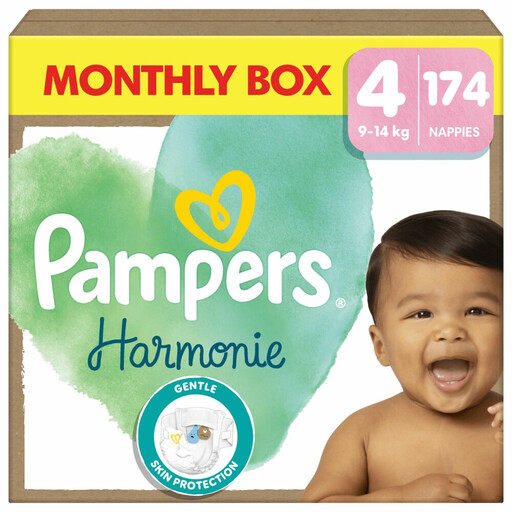
Why it suits this profile: This model may suit parents who look for fragrance- and lotion-free specifications and information about materials.
The product information states 0% perfume and lotion, so you can compare the ingredients in advance.
174 nappies, a wetness indicator, information about FSC-related cellulose and OEKO-TEX Standard 100, according to the product description.
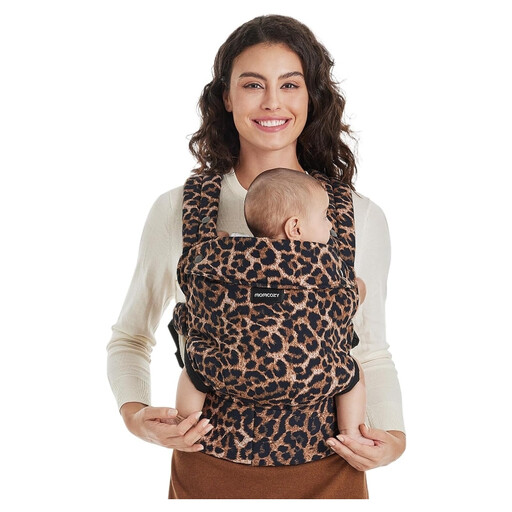
Why it suits this profile: A handy choice for walks, travel and everyday use if you’re looking for an ergonomic baby carrier.
The carrier has a stated weight range of 3,18 to 19,96 kg. Check this range and the buckles before every use.
100% cotton according to the product information, adjustable straps, machine washable and suitable for front carrying.
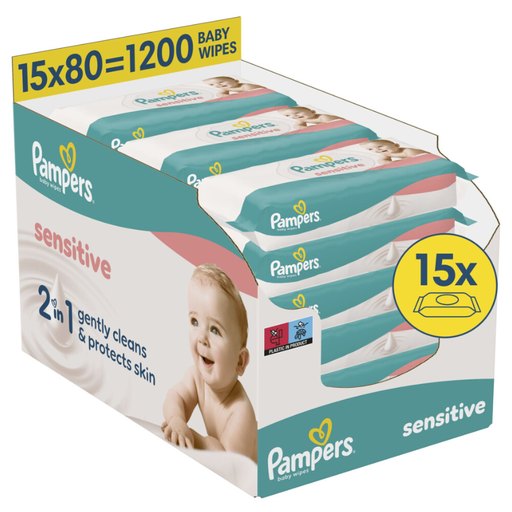
Why it suits this profile: A stock of 1,200 wipes is practical for families who change nappies often and are looking for a fragrance-free option.
The product information mentions a seal to help prevent the wipes from drying out and advises against flushing them down the toilet.
Fragrance-, alcohol- and colourant-free according to the product information; suitable from birth and dermatologically tested.
We’ve put together a complete, up-to-date list of products that meet these strict selection criteria and the applicable European safety regulations.
As well as nappies and wipes, a small selection of useful products can make everyday life easier:
It varies depending on your baby’s age and how often you change them. Work out how many your baby actually uses each day, then compare the number of nappies per box. If you’re trying a new brand or size, start with a smaller pack.
Follow the shelf-life guidance on the packaging. According to the product information, some water-based wipes have a shorter recommended period of use once opened. Seal each pack securely and store it somewhere dry, away from direct sunlight and out of children’s reach.
Not always. Compare the price per nappy, the number of wipes in each pack and the risk of waste if the size is wrong. A larger pack is only better value if you use the product within the stated period and it continues to fit well.
