
Vandaag of morgen in huis

Kwaliteit gegarandeerd

Welkomstaanbiedingen ontgrendelen: GRATIS bezorging | Tot 80% korting | Gratis 30 dagen JoyPlus-proefperiode
Download de app
Buying baby products seems simple until you start comparing size charts, monthly boxes, quality marks and safety warnings. Marketing copy often focuses on comfort, absorbency or versatility, but not every detail matters equally for your situation.
Three common pitfalls to watch out for:
For baby nappies, your baby’s weight is the first thing to check. According to the product specifications, a Pampers Premium Protection size 6 nappy in a monthly box of 144 is suitable from 13 kg. Pampers Baby-Dry size 4+ is listed for babies weighing 10 to 15 kg. So don’t rely on age alone: weight and fit are more important.
When comparing a monthly box of nappies, check:
A larger box is practical, but it’s best not to stock up for months if your baby is close to moving up a size.
Brands use phrases such as “up to 12 hours’ protection”, “instant absorption” or “leak-free nights”. These aren’t guarantees for every baby or sleeping position. According to Pampers’ product information, several Baby-Dry models have an extra absorbent layer, stretchy sides and a Stop & Protect pocket. The brand’s own research and claims describe the design, but they don’t replace checking the fit.
According to the manufacturer, Pampers Premium Protection nappies feature more than 1000 absorbent micropores, soft materials and a navel-friendly cut-out. The product description says they have been dermatologically tested and contain no EU fragrance allergens. That doesn’t mean every baby will have the same experience. Stop using the product if redness or irritation occurs, and follow the instructions on the packaging.
For Pampers Harmonie, the manufacturer lists 0% perfume and lotion, a wetness indicator, and cellulose from FSC-certified forests and other controlled sources. If your baby has sensitive skin, always check the full ingredients and product information on the packaging.
An ergonomic baby carrier needs to fit both your baby and the person carrying them. Check:
For a bedside crib or co-sleeper, height settings, fixing straps, mattress size and age limits are important. One model in our selection has five height settings, a 76 × 43 × 3 cm mattress and is recommended for use from 0 to 5 months. Always check that it fits alongside your bed and secure it according to the instructions.
Take extra care with a baby nest. According to the product information, the Chicco Mommy Pod model is intended for sleep from birth until around 3 months, or until your baby starts rolling independently. It can be used for play and tummy time for longer, but your baby must still be supervised. Don’t use a baby nest as a replacement for a suitable cot, and never place it on a raised or unstable surface.

Why it suits this profile: A large monthly box can be handy for parents who use the same size regularly and want to compare the cost per nappy.
The size and quantity are clearly stated: size 4 and 204 nappies. Before buying, check that the weight range is right for your baby.
According to the product information: an extra absorbent layer, stretchy sides, leak guards and a Stop & Protect pocket.

Why it suits this profile: A good choice for parents who pay attention to material information, fit details and features for newborns.
The product information lists size 3, 204 nappies and a navel-friendly cut-out. This makes it easier to match the quantity you buy to your baby’s stage of growth.
According to the manufacturer: more than 1000 absorbent micropores, soft materials, dermatologically tested and no EU fragrance allergens.
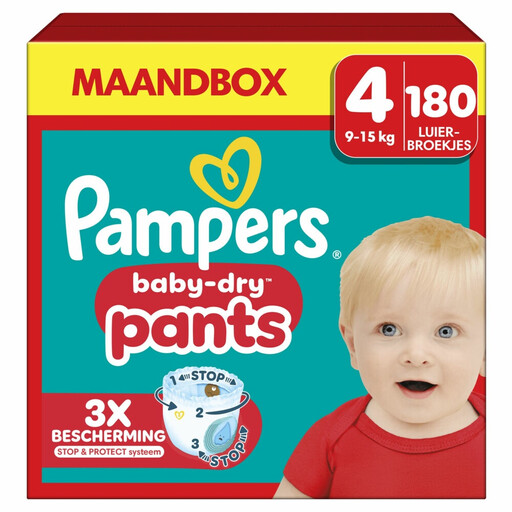
Why it suits this profile: Handy for active little ones who need a quick change or have to be changed while standing.
Pull the pants on, tear them open at the sides and roll them up using the fastening tab. This avoids fiddling with loose tabs when changing your baby.
According to the manufacturer: a 360° flexible waistband, wider leak guards and an absorbent core with stated protection for up to 12 hours.
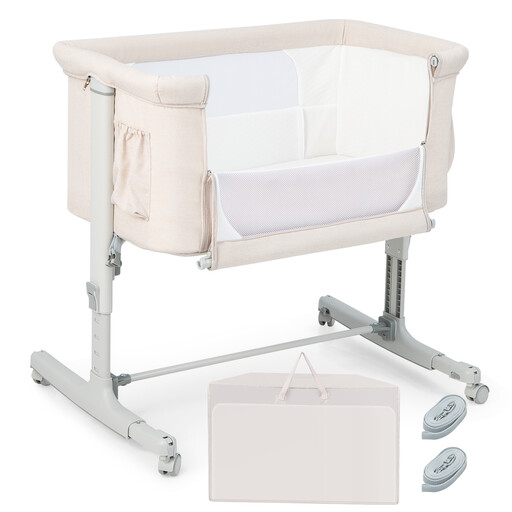
Why it suits this profile: A practical option for parents who want to move a co-sleeper or adjust it to different bed heights.
The specifications list five height settings, fixing straps and lockable wheels. Be sure to check the height of your bed first.
According to the product description: three modes of use, breathable mesh panels, a travel bag and a 76 × 43 × 3 cm mattress.
It depends on your baby’s age, feeding routine and changing habits. Newborns usually need changing more often than older babies. Start by working out how many nappies you use on an average day, then multiply that number by around 30. Only buy a large monthly box once you’re sure the size fits well.
Check the stated minimum and maximum weight rather than relying on age alone. According to the product specifications, some models are suitable from around 3.2 kg up to 20 kg. Also check that your baby is old enough to sit safely in your chosen carrying position, and follow the instructions every time you use the carrier.
Use a bedside crib only within its stated age, size and weight limits. If you’re using a baby nest for sleep, stop as soon as your baby starts rolling independently if the product instructions say to do so. Damaged buckles, seams, straps, mattresses or fabric are also reasons to stop using the product.
We’ve put together a complete, up-to-date list of products that meet these strict selection criteria and the applicable European safety requirements.
