
Vandaag of morgen in huis

Kwaliteit gegarandeerd

Welkomstaanbiedingen ontgrendelen: GRATIS bezorging | Tot 80% korting | Gratis 30 dagen JoyPlus-proefperiode
Download de app
Buying baby food seems simple until you’re standing in front of the shelves or browsing an online range. There are jars, pouches, porridge, fruit purées and baby snacks for different ages. At the same time, terms such as “natural”, “no added sugar” and “organic” can distract you from what really matters: the age guidance, ingredients, allergens and storage instructions.
Use this practical guide to compare baby food for little ones from 6 months through to toddler food for children from 12 or 15 months.
A cheerful-looking pack tells you little about what’s inside. Always check the ingredients list and nutrition table. A product may contain fruit, for example, as well as cereals, milk, biscuits or added oils. When choosing a fruit purée for your baby, it’s useful to check which fruit is listed first and whether any other ingredients have been added.
“From 6 months” or “from 8 months” is product information. Every child develops differently. If you’re unsure about starting solid foods, speak to your health visitor or a doctor. Also pay attention to the texture: baby food from 6 months is often more finely puréed, while baby food from 8 months may have a more varied texture.
Milk, cereals containing gluten, fish, eggs, soya and celery are found in different types of baby food. An organic product isn’t automatically allergen-free. So read the label, even if you’ve bought the same brand before. Check the instructions for after opening, too. Many opened jars need to be refrigerated and used within 24 or 48 hours.
First, choose the product group that suits your child’s stage of development:
The age on the packaging is a first filter, not a replacement for the instructions for use.
Compare the amount of vegetables, fruit, cereals or animal-derived ingredients. Olvarit baby food, for example, includes varieties with carrot, chicken, potato, rice, courgette or fish. The product information lists the allergens present in each variety. Olvarit courgette, white fish and rice contains fish, while according to the product information, Olvarit carrot, chicken and potato contains gluten.
Nestlé baby food also comes in different varieties. Nestlé Yogolino strawberry is a dairy product with strawberry purée and is suitable from 6 months. Nestlé Junior Cereals Multifruit is a dry cereal porridge for babies from 8 months and contains cereals with gluten. According to the product information, it may also contain milk, mustard and celery.
For parents, shelf life is often just as important as taste. Check:
According to the product information, an unopened Yogolino pot can be stored at room temperature; once opened, it must be refrigerated and used within 24 hours. Opened Olvarit meals should generally be covered, kept in the fridge and used within 48 hours. Always follow the current packaging, as labels may change.
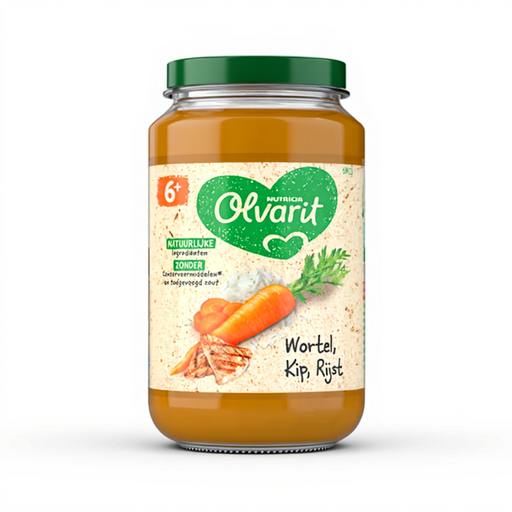
Why it suits this profile: An easy meal option from 6 months for parents looking for a familiar combination without having to prepare the ingredients themselves.
The age guidance, 200 gram portion and ingredients are clearly listed. According to the product information, this variety is free from gluten and cow’s milk protein; always check the label again to be sure.
From 6 months, 200 gram, with carrot, rice and chicken. The product information states that no salt has been added.
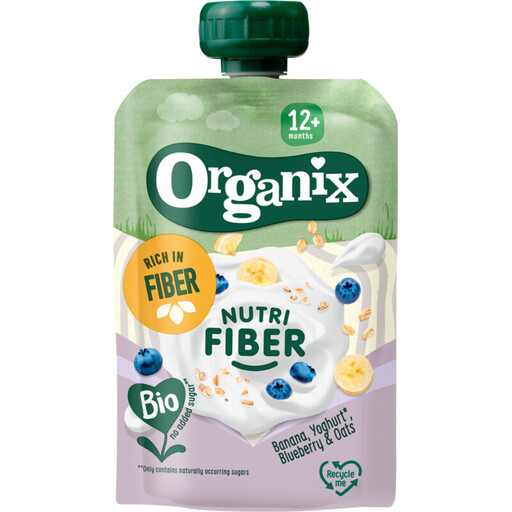
Why it suits this profile: A good choice for parents looking for organic baby food to take on the go or serve as a varied snack from 12 months.
The product description lists organic ingredients and no added sugar. The label does list milk and gluten as allergens.
Banana, yoghurt, blueberries and oats; a source of fibre according to the product information; resealable portion pack.
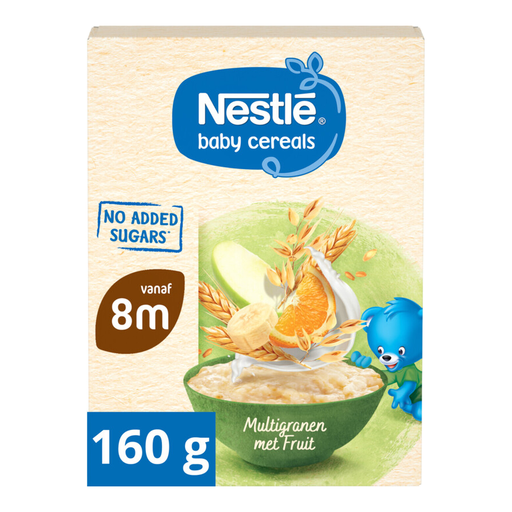
Why it suits this profile: Handy for families who regularly prepare baby porridge and want a dry store-cupboard option from 8 months.
The allergens are listed in detail, including wheat, oats, rye and barley. This makes it easier to compare the cereals specifically, rather than choosing based only on the fruit flavour.
From 8 months, with cereals and dried fruit; enriched with iron and vitamin D according to the product information, and with no added sugar.
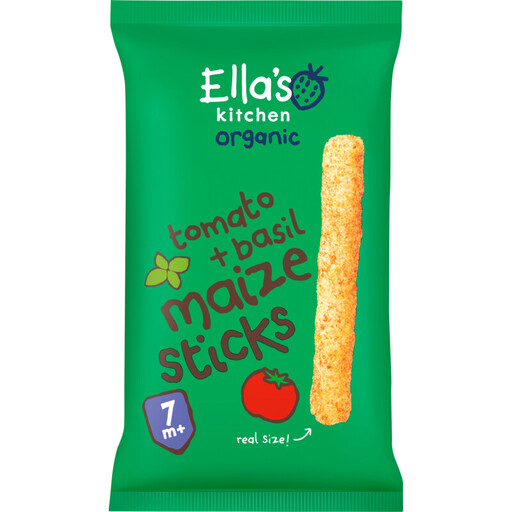
Why it suits this profile: A small snack for children from 7 months who are learning to feed themselves, for example on an outing or while travelling.
The pack is resealable, and the ingredients list states which cereals and possible traces are present. Always stay with your child while they’re eating.
Organic maize snack with tomato and basil; 16 grams; no added sugar according to the product information.
We’ve put together a complete, up-to-date list of products that meet these strict selection criteria and the current European safety regulations.
It depends on your child’s development and the guidance of your health visitor. From 6 months, the range includes vegetable and fruit purées, soft meals and some dairy desserts. Always check the age guidance, texture and allergens.
It varies by product. Examples in the product information include keeping some dairy desserts refrigerated for up to 24 hours and opened meals for up to 48 hours. Dry porridge often needs to be used within a few weeks of opening. Always follow the packaging instructions.
“Organic” tells you something about how the ingredients are produced, but not necessarily about the product’s overall nutritional value or whether it’s suitable for every child. So compare the ingredients, sugars, allergens, portion size and age guidance, too. Baby snacks are intended to complement a varied diet, not replace it.
