
Vandaag of morgen in huis

Kwaliteit gegarandeerd

Welkomstaanbiedingen ontgrendelen: GRATIS bezorging | Tot 80% korting | Gratis 30 dagen JoyPlus-proefperiode
Download de app
Buying Asian vegetables seems simple until you are faced with a shelf or online product page filled with tins, pouches and jars in different sizes. A product may look authentic, yet still be too salty for everyday use, contain too little or require lengthy soaking first.
For home cooks, vegetarians, vegans and fans of curries, noodles and stir-fries, three pitfalls are particularly important:
Long-life Asian ingredients can broadly be divided into three groups:
Always check the preparation instructions for dried products. According to the product information, HUASEED Dried Lily 100g must be soaked in cold water for 30 to 60 minutes and then cooked thoroughly. For dried beancurd strips, a soaking time of approximately 20 to 30 minutes in warm water is stated.
A short ingredients list makes comparison easier. According to the product information, AROY-D Bamboo Shoot Slices 540 G contains 52% bamboo shoots and water and does not list any of the 14 major EU allergens. Cock Brand Bamboo Slice Vacuum 454g contains bamboo shoots and water and recommends rinsing before use.
Preserved products are different. Wujiang Light Preserved Mustard Tuber contains mustard, salt, flavour enhancers, oil, sugar and sweeteners. The nutritional information states 7.0 grams of salt per 100 grams. Green Deer King Snow Vegetable lists 12 grams of salt per 100 grams. These are product specifications to consider when you are looking for a milder flavour.
Also look out for allergens such as mustard, soya, sesame and cereals containing gluten. According to the label, Chuannan Appetizing Cowpeas contains, among other ingredients, soya and wheat. Wei Jute Sweetened Preserved Mustard Stem contains mustard, sesame and soya. Check the current packaging if you have an allergy or intolerance.
A 540-gram tin is useful for several portions, while an 80-gram pouch may be suitable for one dish or as a flavour enhancer. Think about your cooking habits in advance:
Once opened, store preserved vegetables in the fridge according to the label and use them promptly. After opening, tinned or jarred products should not be left in their original packaging for an extended period if the packaging advises against it.
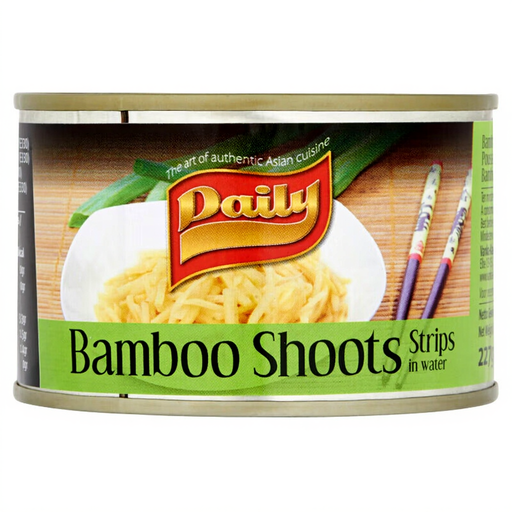
Why it suits this profile: A modest-sized pack for trying bamboo shoots without immediately buying a large supply. According to the product information, the ingredients are bamboo shoots, water and citric acid.
The quantity is clearly stated and the product information does not mention a lengthy soaking time. Rinse before use and add to a dish that will be heated thoroughly.
227 grams; suitable for stir-fries, soups and curries; none of the 14 major EU allergens listed.
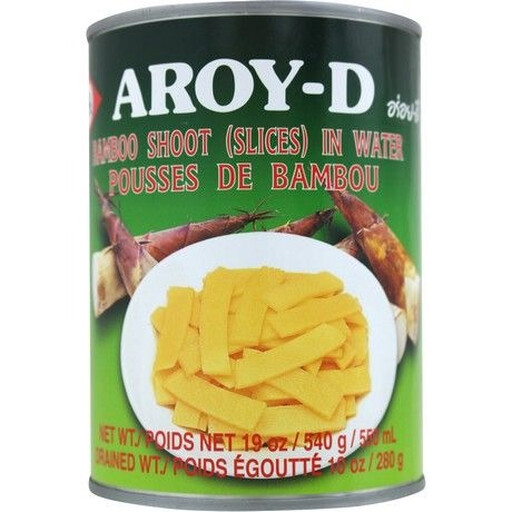
Why it suits this profile: Sliced bamboo shoots save preparation time and work well in stir-fries, Tom Yam-style soups, red curry and vegetarian salads.
The product description states that it is ready to use, while the ingredients and quantity are clearly specified. This means you do not need to cut or soak the shoots yourself.
540 grams; sliced; 15 kcal per 100 grams according to the stated nutritional information; none of the 14 major EU allergens listed.
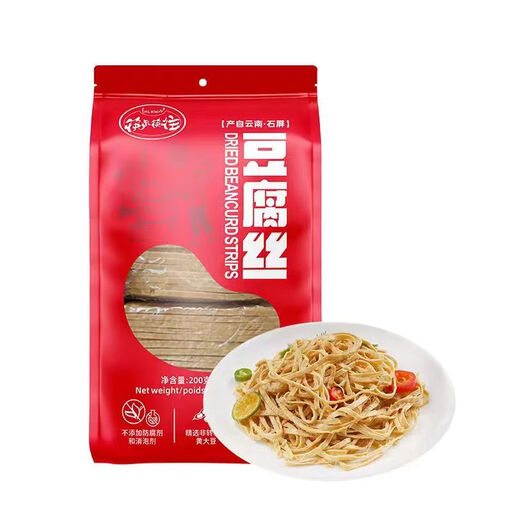
Why it suits this profile: Ideal for cooks who regularly make hotpot, Sichuan dishes, soups, stews or cold salads and want to keep a dried ingredient in stock.
The preparation steps are clearly stated: rinse, soak for 20–30 minutes and then cook. You therefore know in advance that this is not a ready-to-eat product.
200 grams; made from soya and water; suitable for several cooking methods; store in an airtight container after opening.
Not every product in this category is a vegetable. Asian herbs and spices, capers and dried herbs can complement a dish, but they serve a different purpose from stir-fry vegetables. Dried bay leaves, for example, are added to soups, marinades and stews during cooking and removed before serving.
With preserved mustard greens, the cut also affects how easy they are to use. Finely sliced varieties are handy as a topping for noodles or rice. Larger pieces are better suited to a stir-fry. According to the product information, rinsing reduces the salty flavour, but it may also remove some of the seasoning.
We have put together a complete, up-to-date list of products that fully meet these strict selection criteria and the applicable European safety regulations.
Bamboo shoots are an accessible option because sliced varieties require little preparation. Combine them with noodles, tofu, mushrooms, soya sauce and other vegetables. Check whether the product needs to be rinsed and heated thoroughly.
Rinse the vegetables briefly under cold water and leave them to drain. With heavily salted varieties, you can rinse them for a little longer. Add extra soya sauce or salt carefully afterwards, as the product already contains plenty of flavour.
Unopened products remain suitable for use until the date on the packaging, provided they are stored as instructed. Once opened, preserved vegetables generally need to be refrigerated and used quickly. After opening, store dried products in an airtight container in a dry place away from moisture. Always check the packaging for precise storage and use instructions.
