
Vandaag of morgen in huis

Kwaliteit gegarandeerd

Welkomstaanbiedingen ontgrendelen: GRATIS bezorging | Tot 80% korting | Gratis 30 dagen JoyPlus-proefperiode
Download de app
Buying Asian sweets online can be surprisingly tricky. The packaging shows attractive colours, unusual shapes and flavours like matcha, lychee, mango or pandan. Yet those elements don’t tell you everything about what’s inside. A bag can be small, while the price per 100 grams turns out to be high. What’s more, terms like “fruit”, “juice” or “Japanese style” can give a different impression than the ingredients list justifies.
With this practical guide, you’ll focus on the points that matter most to British shoppers: weight, ingredients, allergens, texture, storage instructions and when to enjoy them.
Realistic fruit or animal shapes make gummy sweets appealing, but they don’t automatically determine the flavour or composition. So always check how much concentrated juice has actually been added. With Amos 4D Fruit Gummy Juicy Burst - Grape, for example, it’s 3.5% concentrated juice, of which 3.4% is grape. The rest of the product consists of glucose syrup, sugar, gelatine, thickeners and flavouring, among other things.
With jelly sweets, the fruit juice content is often limited. According to the product information, Cozzolino Mango Jelly Bonbons contains 5% mango juice. The soft texture comes partly from gelling agent E407. That doesn’t make it any less suitable as a sweet, but it is different from a snack that’s mainly made of fruit.
Mochi, gummy sweets and filled sweets can contain milk, soya, gluten, egg, nuts or gelatine. Gelatine can also come from beef or pork. Always read the current packaging, especially when you’re buying sweets for children, a party or someone with an allergy.
Also pay attention to warnings for young children. Some soft jelly products need to be chewed thoroughly to prevent choking. Follow the age and usage instructions on the packaging.
Don’t just compare the total price. A bag of 60 or 65 grams is handy for trying something out, while a pack of 160 to 240 grams is better for sharing. Convert the price to 100 grams to compare gummies, jelly sweets and Japanese mochi fairly.
The texture determines whether a product suits you:
The term “Japanese style” describes the style of the product. So also check the country of origin, the ingredients and the nutritional information.
First look at the allergen declaration, then at the sugar content per 100 grams. Examples from the range:
Product information can change. Always use the label on the packaging for a final check.
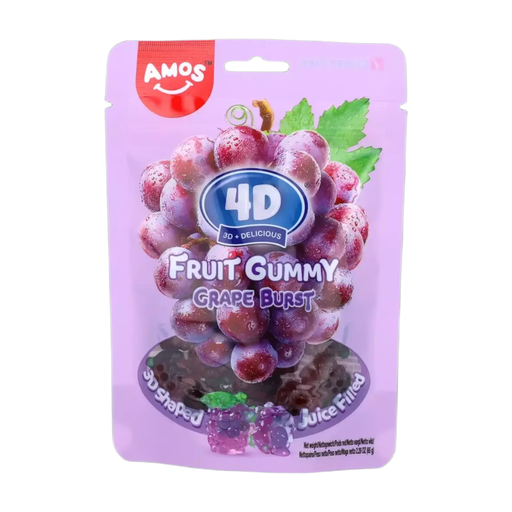
Why it fits this profile: The 65-gram pack keeps your first purchase manageable. The grape flavour with a slightly sour undertone and firm texture is familiar to fans of gummy sweets.
The net weight, nutritional information and ingredients are clearly stated. This means you can compare the small bag with larger packs.
65 grams; grape flavour; 3.5% concentrated juice; contains gelatine.
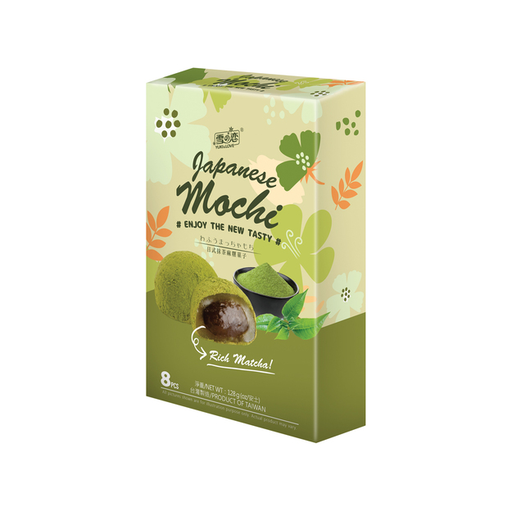
Why it fits this profile: This Japanese mochi combines a soft rice dough layer with a matcha filling. The profile suits anyone looking for less common flavours for a quiet snack moment or as a gift.
The flavour is specifically described as matcha with a slightly bitter and sweet aftertaste. So you know what you’re choosing, rather than relying only on the colour of the packaging.
128 grams; matcha powder in dough and filling; store in a cool, dry place.
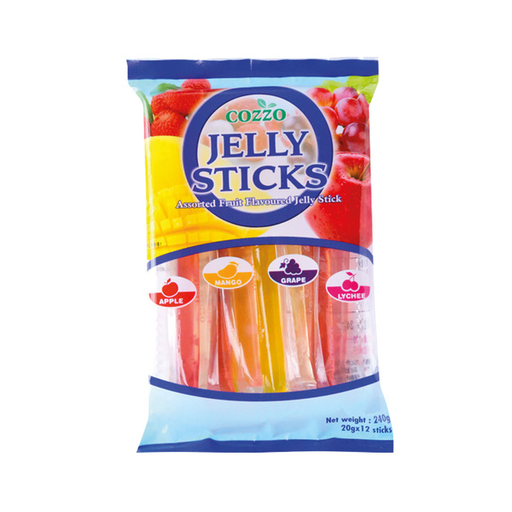
Why it fits this profile: The pack contains 12 individually wrapped sticks, each weighing 20 grams. That’s practical for a party, a treat, a lunchbox or the cupboard.
The portions are pre-divided and the four flavours are listed: mango, lychee, apple and grape. So you don’t have to guess what you’re getting based on the product photo.
240 grams; 12 portions; four fruit flavours; none of the 14 main EU allergens listed.
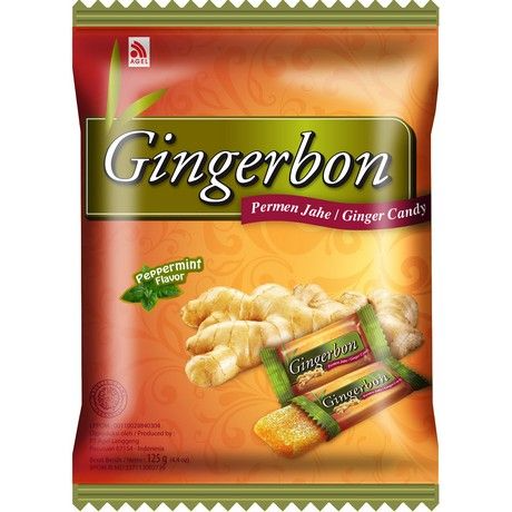
Why it fits this profile: The combination of ginger and mint is a departure from standard fruit gummies. This suits adults who want to try Indonesian ginger bonbons or fill an unusual sweet dish.
The flavour direction is clear: ginger, sugar, tapioca starch and peppermint flavouring. So you’re not buying a fruit bonbon with just a tropical name.
125 grams; 7.4% ginger; peppermint flavouring; according to the product information, free from the 14 main EU allergens.
We’ve put together a full, up-to-date list of products that fully meet these strict selection criteria and comply with current European safety regulations.
Choose Japanese mochi if you’re after a soft, filled snack with flavours like matcha, pandan coconut or bubble tea. For a playful treat, fruit gummies in the shape of dinosaurs, fish or fruit are a good option. If you want to share several flavours, look at fruit jelly sticks or lychee sweets. For a dessert-style option, Cocon Kingo Grape Jelly with Nata de Coco is a larger pack with grape flavour and pieces of nata de coco.
If you’d like to compare several flavour directions first, then ordering sweets online is handy: you can check weight, ingredients and allergens side by side before making a choice.
You can search online within the Asian sweets category and filter by product type, flavour and pack size. Always check the product description, allergens and storage instructions before ordering.
The shelf life is stated on the packaging. Store gummies, jelly and bonbons in a cool, dry place away from direct sunlight. Once opened, mochi often needs to be kept sealed and sometimes refrigerated, according to the product information. Always follow the instructions for the specific product.
That varies from product to product. Pay attention to gelatine, allergens, colourings and texture. Some jelly products and gummies can pose a choking risk for young children. So check the age information and make sure children chew sweets thoroughly.
