
Vandaag of morgen in huis

Kwaliteit gegarandeerd

Welkomstaanbiedingen ontgrendelen: GRATIS bezorging | Tot 80% korting | Gratis 30 dagen JoyPlus-proefperiode
Download de app
Asian sweets offer so much more than just sugary flavours. Think soft mochi, Japanese biscuits, matcha chocolate, fruity sweet mixes and Korean snacks like Choco Pie. The range is vast, but product packaging and flavour names can make it tricky to choose wisely online.
As Joybuy Product Recommendation Officer, I filter market information down to the practical details. Not flashy marketing claims, but things you can actually check: ingredients, allergens, portion packaging, shelf life and storage advice.
Words like “tropical”, “premium” or “authentic” don't automatically reveal how much fruit, matcha or chocolate is actually in a product. So always check the ingredients list. For example, the Q-Brand Tropical Fruity Mini Mochi has a flavour base that includes mango, passion fruit and lychee juice, whereas Yuki & Love Mochi Pineapple & Coconut lists pineapple paste and coconut powder among its ingredients.
Also pay attention to the difference between flavouring, juice, purée and powder. These ingredients give very different information about the product's composition.
A big pack might seem handy for a family or party, but soft cake, mochi and chocolate can lose their desired texture more quickly once opened. So look at:
Individually wrapped snacks, such as KitKat sticks, Pocky or Fruitella Minis, are often more practical for on-the-go eating and sharing. A large pack is only worthwhile if you'll use the contents within the recommended period.
Asian snacks frequently contain milk, soya, wheat, egg or sesame. Mochi may also include gelatine or milk derivatives. The allergen information on the product you receive is what counts; always check it again, especially if you're buying for others.
The origin also varies from product to product. The Nestlé KitKat Itoen Matcha & Chocolate states Japan as the country of origin, while some products with a Japanese style are actually made in another country. So a Japanese-sounding flavour name doesn't automatically mean Japanese production.
First, choose the texture that suits the occasion:
With mochi, storage is especially important. Q-Brand advises keeping the product refrigerated after opening and consuming it within the stated period. Always follow the label on the product you receive.
Don't just look at the front of the pack. Check the full ingredients list for:
According to the product information, Fruitella Mix of Minis contains none of the 14 major EU allergens, but several other sweets in the range do contain milk, wheat or soya. Use the product page as a first reference and the packaging as the final source.
Products with chocolate, soft cake or mochi can have a shorter shelf life than hard sweets. The matcha KitKat product information, for example, notes that it may have a short shelf life. Store such snacks in a cool, dry place away from direct sunlight. Only use the fridge if the label says so; with mochi, this may be recommended after opening.
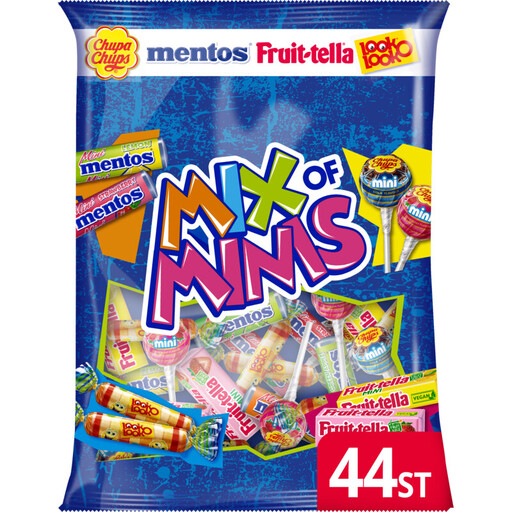
Why this fits the profile: This mix contains a variety of mini sweets, making it ideal for trying several fruit flavours without buying separate packs.
The sweets are individually wrapped, so you can use the mix gradually and keep the rest better sealed.
410 grams, multiple brands and fruit flavours, individually wrapped and, according to the product information, free from the 14 major EU allergens.
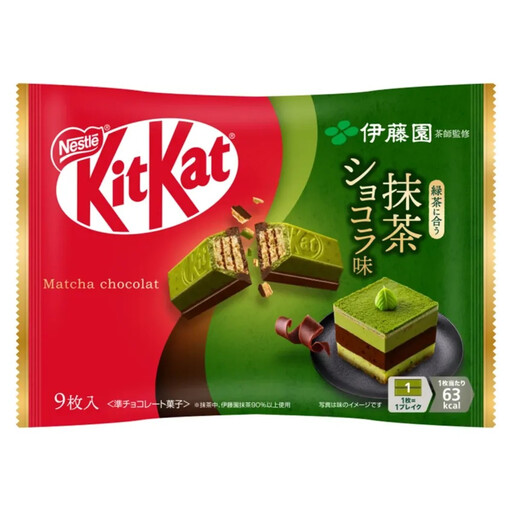
Why this fits the profile: For those who want to combine Japanese chocolate and matcha with a familiar wafer texture and individual portions.
The pack contains nine individually wrapped bars. Do check the best-before date, as the product information notes a short shelf life.
104.4 grams, nine portions, matcha powder in the ingredients list and Japan stated as the country of origin.
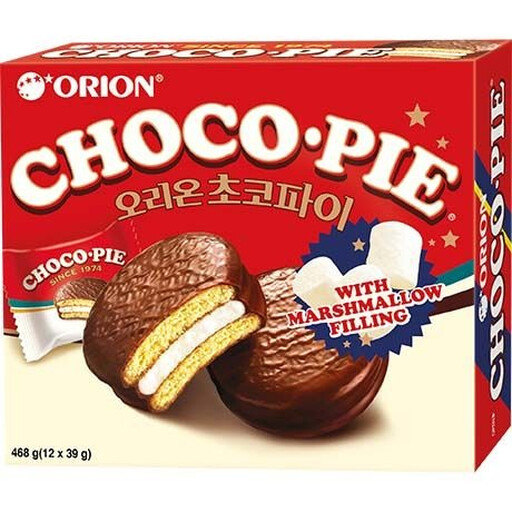
Why this fits the profile: The larger pack suits families, stocking up for visitors or sharing sweets during a film night.
The contents are designed for multiple eating occasions. Seal the pack well after use and store the Choco Pie in a dry place away from heat.
468 grams, soft cake with filling and chocolate coating according to the product description, ideal for a larger group.
Choose mochi when you're after a soft, sticky texture. The Yuki & Love Pineapple & Coconut variant combines pineapple and coconut flavours, according to the product description. Dorayaki has a completely different structure: two soft cake halves with sweet red bean paste in between. The Yuki & Love Dorayaki contains 32% red bean filling, according to the product information.
For a crunchy snack, Bourbon Alfort Mini Vanilla White, Bourbon Alfort Mini Strawberry or Glico Pocky are logical choices. If you'd rather try Korean sweets, Orion Choco Pie is a good option. Always check the allergens and storage instructions on the packaging for all products.
We've put together a full, up-to-date list of products that fully meet these strict selection criteria and comply with current European safety regulations.
Asian sweets include Japanese snacks, Korean cake products, mochi, dorayaki, matcha KitKat, fruity sweet mixes and Japanese biscuits. The origin varies by product, so check the country of origin on the product packaging.
Store mochi before opening according to the label, usually in a cool, dry place. After opening, refrigerated storage may be recommended. Seal the pack well and consume the product within the stated period.
Yes, individually wrapped bars, biscuits and sweet mixes are practical as small gifts or for a tasting session. Do check the shelf life, allergens and the recipient's preferences beforehand.
