
当日/次日达

品质保障

开启新人专享福利: 全场免邮 | 低至 2 折 | 免费试用 30 天 JoyPlus 会员
下载 Joybuy
When you buy Asian soya products online, you’ll quickly come across lots of packets with similar names. But natto, edamame, bean curd sheets and fried tofu differ considerably in texture, preparation, storage and how they’re used. A product that’s ideal for a Japanese breakfast dish won’t necessarily work in a Chinese hotpot.
So don’t rely on words such as “authentic”, “premium” or “high in protein” alone. Check the ingredients, portion size, storage temperature and preparation instructions. That way, you can avoid leaving a product forgotten in the freezer.
Natto is made from fermented soya beans and has a sticky texture. It’s quite different from edamame, tofu or bean curd sheets. Boiled edamame beans are handy for a salad or snack, while bean curd sheets are designed for stir-fries, fillings or adding to broth.
There are differences within each product group, too. Hikiwari natto is made from crushed soya beans, so it has a different mouthfeel from natto made with whole beans. Check the product description as well as the name.
Many Japanese soya products and frozen soya products need to stay frozen until you use them. Several products specify a storage temperature of -18 °C or below. So make sure you have space in your freezer and can put your order away promptly when it arrives.
Once thawed, products generally need to be kept chilled and used within the stated time. Refreezing is not recommended for the products listed. Always check the packaging, as the shelf life after thawing can vary from one product to another.
A brand might talk about freshness, professional freezing techniques or authentic flavour. These are claims made by the brand, based on its own research or product information; they’re not a guarantee that everyone will have the same experience. Instead, look for verifiable details such as:
Soya is an allergen that must be declared in the EU. Products such as edamame, natto, bean curd, bean curd sheets and fried tofu generally contain soya. Some types of natto also contain sauce and mustard. According to the product information, a product such as FRESHASIA Northern-Style Dried Bean Curd Sheets contains soya beans, water and salt.
Check combination products, too. A tofu and seasoning set, for example, may contain wheat, soya and other ingredients. So read all the allergen information, not just the product title.
Compare nutritional values per 100 grams, rather than per pack. According to the product information, Kohyo Otsubu Natto contains 16.44 grams of protein per 100 grams, while Freshasia Fried Beancurd lists 24 grams of protein per 100 grams. Fried tofu also contains more fat because of the oil used: this product lists 26 grams of fat per 100 grams.
These figures are useful for comparing products, but they won’t tell you on their own which one is right for your meal. A product with more protein may also contain more fat or need a different preparation method.
Check whether a product is already cooked. According to its description, TCT Edamame With Pods is cooked, but still needs to be heated before eating — for example, for a few minutes in boiling water or briefly in the microwave. October Wing Fried Tofu needs to be thawed and then heated thoroughly.
For hotpot ingredients, how well they absorb liquid matters. Fried tofu and beancurd knots readily soak up broth and sauce. Thin tofu sheets are better suited to stir-fries, cold salads or wrapping fillings.
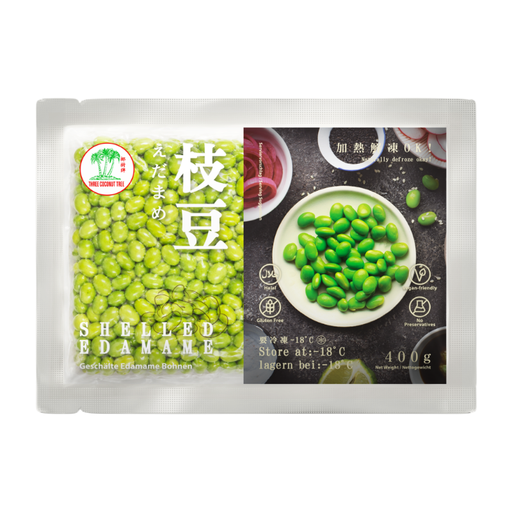
Why it suits this profile: An easy choice for snacks, salads and side dishes. The pack contains 400 grams of cooked edamame, with no other ingredients listed.
The product information lists just one ingredient: soya. So there’s no need to factor in a mixed sauce or seasoning blend.
Cooked edamame; 400 grams; suitable as a snack, in a salad or as a side dish; keep frozen.
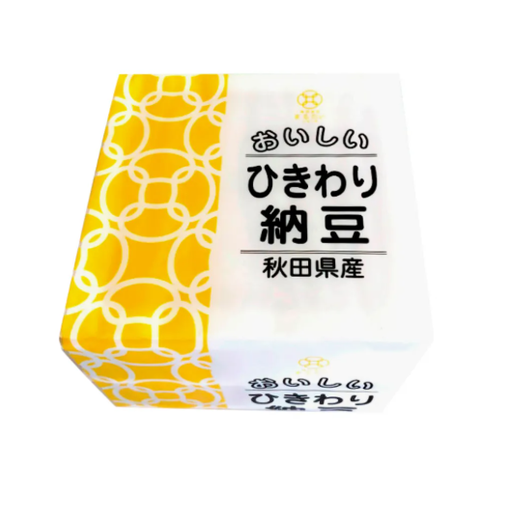
Why it suits this profile: For anyone specifically looking for Japanese soya products with a crushed-natto texture, served with sauce and mustard.
The product description specifically says it’s made from crushed soya beans. That makes its texture more predictable than natto made with whole beans.
120 grams; contains sauce and mustard; 16.3 grams of protein per 100 grams according to the product information; suitable for Japanese dishes.
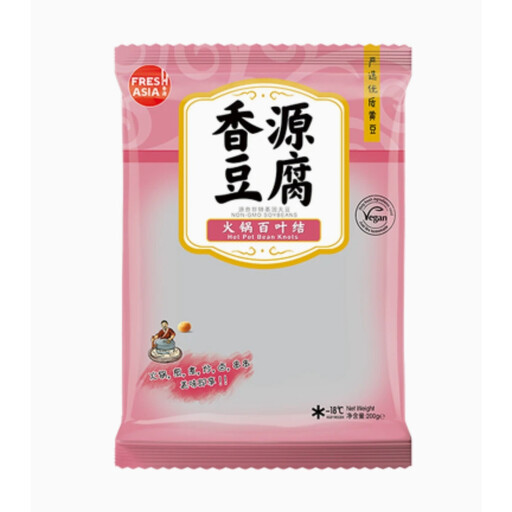
Why it suits this profile: Made for fans of hotpot, spicy soup and oden. The knotted shape holds its texture and absorbs broth.
The product description clearly explains how to use it and gives a short soaking or cooking time. It’s therefore less suitable if you’re after a ready-to-eat snack, but a good fit for broth.
200 grams; made from bean curd sheets; 22 grams of protein per 100 grams according to the product information; suitable for hotpot and soup.
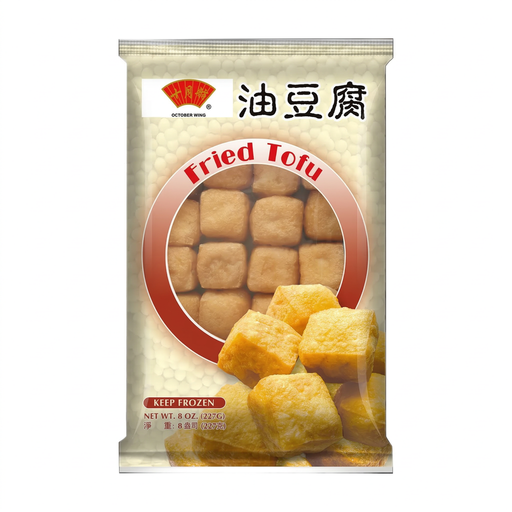
Why it suits this profile: A handy base for Chinese tofu dishes, stir-fries, stews and hotpot. Its porous centre is designed to soak up sauce and broth.
The instructions say to thaw it and heat it thoroughly. If you’d prefer to use less oil in your dish, the description suggests blanching the tofu and gently squeezing it out.
227 grams; fried tofu; 18 grams of protein per 100 grams; suitable for soup, stews and stir-fries.
We’ve put together a complete, up-to-date list of products that meet these strict selection criteria and the applicable European safety requirements.
Edamame are young soya beans, often boiled and served as a snack, added to salads or enjoyed as a side dish. Natto is made from fermented soya beans and has a distinctive sticky texture. Tofu is made from soya milk and can be soft, firm, dried or fried. Choose according to the texture and dish you have in mind, not just the protein content.
The exact shelf life is shown on the packaging. Store them at the stated temperature, usually -18 °C or below. Once thawed, follow the instructions on the label, keep the product chilled and don’t refreeze it if this is not recommended.
Many products in this category are made from soya, water and sometimes salt or vegetable oil. However, sauces, broths or combination sets may contain additional ingredients. Always check the full ingredients list and preparation information before buying.
